
admin
Ai Tools For Ecommerce Product Descriptions And Ads

Hey there, fellow e-commerce enthusiast! Ever found yourself staring at a blank screen, trying to conjure up the perfect product description that not only informs but also *sells*? Or perhaps you’ve spent hours crafting ad copy, only to feel like it’s missing that certain je ne sais quoi?
If so, you’re definitely not alone in this digital marketplace jungle. The struggle is real when it comes to making your products shine amidst a sea of competitors, and let’s be honest, not everyone has a professional copywriter on speed dial.
This is where the magic of artificial intelligence swoops in, ready to be your trusty sidekick. We’re talking about AI tools that are revolutionizing how e-commerce businesses approach their product descriptions and ad campaigns. These aren’t just fancy gadgets; they’re intelligent assistants designed to understand your brand, your audience, and the nuances of persuasive language.
They can help you overcome writer’s block, optimize your messaging, and ultimately, drive more sales. So, buckle up, because we’re about to dive deep into how AI is changing the game for online retailers.
The sheer volume of products most online stores carry can make manual content creation an insurmountable task. Imagine having hundreds, even thousands, of SKUs, each needing a unique, compelling description and multiple ad variations. That’s a full-time job in itself, often requiring a team of skilled writers.
This is precisely where AI truly shines, offering scalability and efficiency that traditional methods simply cannot match.
This intelligence is then used to generate content that is not only grammatically correct but also strategically optimized for conversion. It’s like having a super-smart marketing analyst and a creative writer rolled into one, always available and always learning.
Ultimately, the goal is to make your products irresistible and your ads unforgettable. AI tools are becoming increasingly sophisticated, moving beyond simple keyword stuffing to genuinely understanding context and tone.
This shift towards more personalized and impactful content is a game-changer for anyone looking to stand out in the crowded e-commerce landscape.
Instead of dedicating countless hours to brainstorming and drafting, you can generate multiple variations of descriptions and ad copy in mere minutes. This speed allows you to test different approaches much more frequently, quickly identifying what resonates best with your audience.
The time saved can then be reallocated to other crucial areas of your business, like customer service or product development.
They can suggest relevant keywords, analyze competitor rankings, and ensure your descriptions are structured in a way that Google and other search engines love.
It’s a powerful combination of creativity and strategic optimization, all at your fingertips.
Let’s not forget the consistency these tools bring to your brand voice. Maintaining a unified tone across all your product descriptions and ad campaigns can be challenging, especially with multiple writers or a growing product catalog. adheres to your specific style, tone, and messaging.
It’s about presenting a cohesive and professional image every single time.
This level of personalization can significantly increase engagement and conversion rates, making customers feel truly understood. It’s a powerful way to move beyond generic messaging and create a more intimate shopping experience.
While AI is incredibly powerful, it’s important to remember that it’s a tool to augment human creativity, not replace it entirely. The best results often come from a collaborative approach, where AI generates initial drafts or provides insights, and human marketers refine and add their unique touch. data-driven insights of AI while maintaining the authentic voice and nuanced understanding that only a human can provide.
It’s about creating a powerful partnership that elevates your e-commerce game.
When we talk about specific applications, let’s consider product descriptions. These aren’t just lists of features; they’re storytelling opportunities. An AI tool can take basic product information, like dimensions, materials, and key functions, and transform it into engaging narratives that highlight benefits and solve customer pain points.
For instance, instead of just saying “waterproof jacket,” an AI might craft something like, “Conquer any downpour with our revolutionary waterproof jacket, designed to keep you dry and comfortable during your most adventurous explorations.” This shift from descriptive to evocative language makes a world of difference in how a product is perceived.
Ad copy generation is another area where AI is making significant waves. Crafting compelling ad headlines and body text that grab attention and drive clicks is an art form. AI tools can generate multiple variations of ad copy, experimenting with different tones, calls to action, and emotional appeals.
This allows you to A/B test various ad creatives efficiently, quickly identifying which messages resonate most effectively with your target audience.
Let’s look at some tangible benefits through a comparative lens. Consider the traditional approach versus an AI-powered approach for generating 100 product descriptions.
| Performance Metric | Traditional Content Creation | AI-Powered Content Creation |
| Production Time | 20–40 hours per project | 1–3 hours per project |
| Operating Costs | High labor costs involving multiple writers and editors | Lower costs driven by AI subscriptions and minimal oversight |
| Brand Consistency | Can vary between team members and projects | Consistent messaging based on predefined guidelines and training |
| SEO Effectiveness | Relies on manual keyword research and optimization | Automated, data-driven optimization with real-time recommendations |
| Scalability | Limited by team size and available resources | Highly scalable, capable of producing large content volumes efficiently |
| Content Testing | Time-consuming and costly to create multiple variations | Rapid generation of multiple versions for A/B testing and optimization |
| Quality Control | Susceptible to human error, inconsistencies, and missed edits | Reduced error rates, though human review remains important for context and accuracy |
| Creativity & Originality | Strong creative potential but may vary by contributor | Fast ideation and content generation, enhanced when combined with human creativity |
| Personalization | Resource-intensive and difficult to scale | Dynamic personalization at scale using customer data and AI insights |
| Speed to Market | Slower production cycles and approval workflows | Faster content deployment and campaign execution |
| Data-Driven Insights | Often requires separate analytics tools and manual interpretation | Integrated analytics and continuous optimization capabilities |
| Return on Investment (ROI) | Lower efficiency due to higher labor requirements | Higher efficiency through automation, scalability, and reduced production costs |
As you can see from the table, the efficiency gains with AI are substantial. While the initial investment in an AI tool might seem like an added expense, the long-term savings in time and labor, coupled with increased sales from optimized content, often far outweigh the cost. It’s an investment in the future of your e-commerce operations, allowing you to reallocate resources to more strategic initiatives.
The shift in focus from manual content creation to strategic content *management* is truly transformative.
Beyond just generating content, many AI tools offer valuable analytical insights. They can track the performance of your product descriptions and ad campaigns, providing data on engagement rates, conversion rates, and even sentiment analysis.
You can understand what’s working, what’s not, and fine-tune your strategies based on real-world data, rather than relying on guesswork. It’s like having a data scientist embedded in your marketing team, constantly providing actionable intelligence.
From sophisticated natural language generation (NLG) models that write human-like text to AI-powered image optimizers that enhance product visuals, the possibilities are expanding rapidly.
It’s an exciting time to be an e-commerce entrepreneur, with so many powerful technologies at our disposal.
So, how do you go about choosing the right AI tool for your e-commerce business? It can feel a bit overwhelming with the sheer number of options available.
Key Factors to Consider When Choosing an AI Content Generation Tool
1. Identify Your Business Needs
Are you focused on creating product descriptions, ad copy, email campaigns, social media content, or all of the above?
2. Evaluate Ease of Use and Integrations
A powerful tool is only valuable if your team can use it efficiently. Look for an intuitive interface and seamless integration with your existing platforms, such as Shopify, WooCommerce, Amazon, CRM systems, or marketing automation software. Smooth integrations reduce friction and maximize productivity.
3. Assess Content Quality
The effectiveness of any AI solution ultimately depends on the quality of its output. Evaluate whether the tool generates accurate, engaging, grammatically correct, and contextually relevant content. Free trials and demo versions are excellent opportunities to test performance using your own products and use cases.
4. Ensure Brand Voice Customization
Choose a platform that yallows you to customize tone, style, terminology, and messaging guidelines. Advanced AI tools can learn and replicate your brand voice, ensuring all generated content aligns with your marketing standards.
5. Review SEO and Optimization Features
Search visibility plays a critical role in e-commerce success. Consider tools that provide keyword recommendations, SEO scoring, competitor analysis, metadata generation, and content optimization features. These capabilities can improve rankings, increase organic traffic, and drive more conversions.
6. Consider Scalability and Pricing
Your content requirements will evolve as your business grows. Select a solution that can handle increasing workloads without compromising quality or performance. Compare pricing models carefully to ensure the platform remains cost-effective as usage scales.
7. Examine Customer Support and Learning Resources
Reliable support can significantly reduce implementation challenges.
Final Consideration
The ideal AI content generation tool should do more than automate content creation—it should enhance efficiency, strengthen brand consistency, improve search visibility, and scale alongside your business. Taking the time to evaluate these factors will help ensure a successful long-term investment.
Take your time, do your research, and don’t be afraid to experiment with different options. The goal is to find an AI partner that truly empowers your e-commerce success.
In conclusion, the integration of AI tools into e-commerce product description and ad creation is no longer a futuristic concept; it’s a present-day necessity for businesses looking to thrive. These intelligent assistants offer unparalleled efficiency, scalability, and optimization capabilities that can transform your marketing efforts. ensure consistent brand messaging, and craft compelling content that truly resonates with your target audience.
The journey towards fully embracing AI in your e-commerce strategy is an exciting one, full of potential for innovation and growth. It’s about empowering your team with cutting-edge technology, if you’re ready to supercharge your product descriptions and ad campaigns, it’s time to explore the incredible world of AI tools.
Best Ai Tools For Automating Online Business Tasks

Hey there, fellow entrepreneur! Ever feel like you’re drowning in a sea of repetitive tasks, wishing you had an army of tireless assistants to manage your online business? Well, what if I told you that army already exists, and it’s powered by artificial intelligence?
We’re living in an incredible era where AI isn’t just a futuristic concept; it’s a practical, accessible tool that can revolutionize how you operate.
Think about all those hours spent on customer service inquiries, crafting social media posts, analyzing data, or even just scheduling appointments. Each one of these tasks, while essential, can chip away at your focus on bigger picture strategies. This is where AI swoops in, not to replace your brilliant human touch, but to augment it, taking over the mundane so you can truly soar.
We’re going to dive deep into some of the best AI tools out there that are specifically designed to automate and streamline your online business operations, making your entrepreneurial journey not just more efficient, but genuinely more enjoyable.
Imagine waking up to a perfectly curated email campaign, or seeing your social media calendar populated for weeks in advance, all without you lifting a finger. This isn’t science fiction; it’s the reality that AI offers.
Get ready to reclaim your time and unleash the full potential of your business with the magic of AI automation.
Let’s start by acknowledging the sheer volume of tasks that can pile up when you’re running an online business. From managing your website’s SEO to responding to customer feedback, the to-do list can feel endless. This constant juggling act often leads to burnout and missed opportunities.
This means that the more you use these tools, the more efficient and effective they become. We’ll explore various categories of AI tools, from those that enhance your marketing efforts to those that streamline your customer support, ensuring every aspect of your online business benefits from this technological marvel.
So, buckle up, because we’re about to embark on an exciting journey into the world of AI-powered business automation!
Social media management is another area ripe for AI automation. Scheduling posts, analyzing engagement metrics, and even responding to comments can be incredibly time-consuming. AI tools can automate your posting schedule, ensuring your content goes out at optimal times for maximum reach.
Some advanced tools can even generate personalized responses to common inquiries, freeing up your social media manager to focus on more complex interactions and community building.
Let’s not forget about email marketing, a cornerstone of many online businesses. AI can personalize email campaigns on a massive scale, segmenting your audience and tailoring messages based on individual preferences and past interactions. This level of personalization dramatically increases open rates and click-through rates, leading to higher conversions.
AI can also help you A/B test different subject lines, call-to-actions, and email layouts to continuously optimize your campaigns for better performance. It’s like having a dedicated marketing expert constantly fine-tuning your email strategy, all while you focus on other aspects of your business.
Finally, AI-powered chatbots and virtual assistants are transforming customer service. The efficiency gained here is immense, allowing you to scale your customer service operations without significantly increasing your overhead.
Now, let’s talk about the nitty-gritty of some specific tools that are making waves in the automation landscape. When it comes to writing, tools like Jasper and Copy.ai are absolute game-changers. They can generate everything from short social media snippets to long-form blog posts, helping you overcome writer’s block and maintain a consistent content pipeline.
For those looking to supercharge their marketing analytics, platforms like Google Analytics (with its AI-powered insights) and tools like SEMrush, which uses AI for keyword research and competitor analysis, are indispensable. They provide deep dives into your website performance, audience behavior, and search engine rankings, giving you the data you need to make informed decisions. Understanding your data is paramount for growth, and AI makes that understanding much more accessible and actionable.
However, dedicated AI social media assistants like ManyChat can automate conversations and lead generation on platforms like Facebook Messenger, providing a powerful layer of engagement.
For email marketing, platforms like Mailchimp and ActiveCampaign are continuously enhancing their AI capabilities for audience segmentation, email personalization, and campaign optimization. They analyze user behavior to send the right message to the right person at the right time, maximizing engagement and conversions. The ability to A/B test different elements of your emails with AI-driven insights is a powerful way to refine your strategy.
And for customer service, chatbots like HubSpot’s Chatbot Builder and Intercom’s bots are leading the charge. This creates a seamless and efficient customer experience, reducing response times and improving overall satisfaction.
Leading AI Tools for Marketing Automation and Customer Engagement
| AI Tool | Primary Function(s) | Key Benefits | Ideal Users |
| ChatGPT | Content creation, customer support, research assistance, workflow automation | Generates high-quality content, automates responses, improves productivity, and supports decision-making | Marketers, entrepreneurs, content creators, customer support teams |
| Jasper | AI copywriting and marketing content generation | Produces blogs, ad copy, emails, and social media content while maintaining brand consistency | Marketing teams, agencies, content marketers |
| HubSpot AI | CRM, marketing automation, sales enablement, and customer service | Automates lead nurturing, improves customer insights, and streamlines sales and marketing processes | Small to large businesses seeking an integrated growth platform |
| ManyChat | Chatbot automation and conversational marketing | Enables automated customer interactions, lead generation, and sales through messaging platforms | E-commerce businesses, social media marketers, online retailers |
| Intercom AI | Customer support automation and engagement | Provides instant customer assistance, ticket automation, and personalized user experiences | Customer service teams, SaaS companies, support organizations |
| ActiveCampaign | Email marketing automation and CRM | Delivers personalized customer journeys, advanced segmentation, and automated sales workflows | Businesses focused on customer retention and relationship management |
| Surfer SEO | Search engine optimization and content optimization | Improves search rankings through keyword analysis, content scoring, and competitive insights | SEO specialists, bloggers, digital marketers |
| Semrush | SEO, competitor research, and digital marketing analytics | Provides comprehensive market intelligence, keyword tracking, and campaign optimization tools | Marketing professionals and businesses focused on digital growth |
| AdCreative.ai | AI-powered advertising creative generation | Creates optimized ad visuals and copy designed to improve campaign performance and conversion rates | Advertisers, agencies, performance marketers |
| Zapier AI | Workflow automation and system integration | Connects applications, automates repetitive tasks, and improves operational efficiency | Business owners, operations teams, productivity-focused organizations |
| Canva AI | Graphic design and content creation | Simplifies visual content production through AI-assisted design, image generation, and creative automation | Designers, marketers, small business owners |
| Notion AI | Knowledge management, documentation, and productivity | Assists with writing, summarization, brainstorming, and information organization | Teams, project managers, knowledge workers |
| Drift AI | Conversational sales and lead qualification | Engages website visitors in real time, qualifies leads, and accelerates the sales process | Sales teams, B2B organizations, lead generation specialists |
| Mailchimp AI | Email marketing and audience management | Optimizes campaigns, personalizes messaging, and improves engagement through AI-driven insights | Small businesses, marketers, e-commerce brands |
Why Businesses Are Adopting AI Tools
Modern AI platforms offer far more than simple automation. They help organizations:
- Reduce manual workloads and operational costs
- Improve customer engagement and response times
- Generate higher-quality content at scale
- Increase lead generation and conversion rates
- Gain deeper insights through advanced analytics
- Deliver personalized customer experiences
- Scale operations without proportionally increasing headcount
Key Takeaway
The most successful businesses do not rely on a single AI tool. Instead, they build an integrated ecosystem where content creation, marketing automation, customer support, analytics, and workflow management tools work together. This approach enables organizations to create highly efficient, data-driven operations while maintaining a strong focus on customer experience and business growth.
One of the first areas where AI truly shines is in the realm of marketing and content creation. Crafting compelling content consistently can be a monumental task, especially for solopreneurs or small teams. AI writing assistants, for instance, can help you generate blog posts, social media captions, email newsletters, and even ad copy in a fraction of the time it would take a human.
They’re not just spitting out generic sentences; they can adapt to your brand’s tone and style, making the output feel authentically yours.
Beyond content generation, AI also plays a crucial role in optimizing your marketing campaigns.
Imagine knowing exactly which ad variations perform best or which keywords will attract the most traffic, all thanks to intelligent algorithms working tirelessly behind the scenes. This level of insight was once reserved for large corporations with dedicated data science teams, but now it’s accessible to everyone.
Conclusion
What was once considered a competitive advantage is quickly becoming a business necessity, as organizations across industries leverage AI to improve efficiency, automate routine tasks, and deliver more personalized customer experiences.
From content creation and search engine optimization to customer support, sales automation, analytics, and workflow management, AI-powered tools are enabling businesses to accomplish more with fewer resources. By reducing manual workloads and providing actionable insights, these solutions allow teams to focus on higher-value activities such as strategy, innovation, relationship building, and business development.
The true power of AI lies not in replacing human expertise, but in enhancing it. While AI excels at processing data, identifying patterns, and automating repetitive processes, human creativity, critical thinking, and decision-making remain essential for driving meaningful business outcomes. Organizations that successfully combine human intelligence with AI capabilities are often the ones that achieve the greatest gains in productivity, customer satisfaction, and operational performance.
AI adoption begins with identifying specific business challenges and selecting tools that address those needs. Rather than attempting to implement every available solution, organizations should focus on high-impact use cases, measure results, and scale their AI initiatives strategically over time.
As AI technology continues to evolve, its influence on business operations will only grow stronger. Companies that embrace AI today are positioning themselves to be more agile, data-driven, and competitive in an increasingly digital marketplace.
Best Ai Tools For Affiliate Marketing Automation
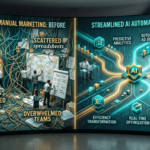
Hey there, fellow affiliate marketers! Ever feel like you’re juggling a million tasks, from keyword research to content creation, email outreach, and then some? It’s a never-ending cycle, right?
What if I told you there’s a secret weapon that can not only streamline your workflow but also boost your earnings significantly? We’re talking about the magic of Artificial Intelligence, specifically AI tools designed to automate the often-tedious aspects of affiliate marketing. Get ready to dive into a world where efficiency meets profitability, and your affiliate business truly thrives on autopilot.
Think about it: the core of successful affiliate audience, whether through insightful reviews, helpful guides, or engaging social media posts. But doing all of that manually, while also tracking performance and optimizing campaigns, can quickly lead to burnout. This is where AI swoops in, acting as your intelligent assistant, taking over repetitive tasks and freeing you up to focus on strategy and building genuine connections.
The goal isn’t to replace your human touch, but to amplify it, making your efforts more impactful and your time more valuable. Let’s explore how these smart tools are revolutionizing the game for affiliate marketers everywhere.
One of the biggest hurdles for many affiliate marketers is consistently generating high-quality content that resonates with their target audience. This is where AI-powered content generation tools become invaluable, acting as your personal writing assistant.
Imagine being able to produce several unique blog posts in the time it used to take you to write just one. These tools leverage sophisticated algorithms to understand your niche, target audience, and desired tone, then craft content that is not only grammatically correct but also optimized for search engines. They can even suggest relevant topics and keywords, ensuring your content is always fresh and discoverable.
They can tell you which products are performing best, which content formats are most engaging, and even predict future buying patterns.
This predictive power allows you to tailor your affiliate offers and content to precisely match your audience’s needs and interests. For instance, if an AI tool identifies that a particular segment of your audience is highly interested in eco-friendly products, you can then strategically promote relevant affiliate offers to them. This level of personalization not only improves conversion rates but also builds stronger trust and loyalty with your audience, leading to long-term success.
It’s like having a crystal ball for your marketing strategy.
The sheer volume of tasks involved in affiliate marketing can be overwhelming, from managing social media to email campaigns and ad optimization. Thankfully, a new breed of AI tools is emerging that specializes in automating these diverse marketing functions.
Consider the time saved by having an AI manage your email marketing, segmenting your audience and sending targeted messages based on their past interactions. Or imagine an AI optimizing your ad spend, ensuring your campaigns are always reaching the most receptive audience at the lowest possible cost. This level of automation not only frees up your valuable time but also ensures that your marketing efforts are consistently optimized for maximum impact.
It’s about working smarter, not just harder, and letting AI handle the heavy lifting.
Here’s a breakdown of some top contenders and their primary strengths:
Leading AI-Powered Marketing and Business Automation Platforms
| Platform | Primary Function | Key AI-Powered Capabilities | Pricing Model | Ideal Use Cases |
| Surfer SEO | SEO Content Optimization | AI-assisted keyword research, content planning, competitor analysis, content scoring, and on-page optimization recommendations | Subscription-based (tiered plans) | Businesses seeking to improve organic search visibility and content performance |
| Semrush | Comprehensive SEO & Digital Marketing Suite | Keyword intelligence, competitive analysis, site auditing, backlink monitoring, content marketing insights, and AI-driven optimization tools | Subscription-based (tiered plans) | Organizations managing end-to-end digital marketing and search engine optimization strategies |
| ManyChat | Conversational Marketing & Chat Automation | Automated messaging, lead generation, customer engagement workflows, chatbot-driven sales funnels, and social media automation | Free plan with premium subscription options | Businesses leveraging chat-based marketing, customer support, and lead nurturing |
| ActiveCampaign | Email Marketing & Customer Relationship Management (CRM) | Intelligent email automation, predictive lead scoring, customer segmentation, sales automation, and personalized customer journeys | Subscription-based (tiered plans) | Organizations focused on customer retention, relationship management, and lifecycle marketing |
| AdCreative.ai | AI Advertising Creative Generation | Automated ad copy creation, AI-generated visual assets, creative performance predictions, and multi-platform ad optimization | Subscription-based (tiered plans) | Marketing teams and advertisers seeking to rapidly create and test high-performing ad campaigns |
| Zapier | Workflow Automation & System Integration | No-code automation, cross-platform integrations, process automation, data synchronization, and AI-enhanced workflow orchestration | Free plan with premium subscription options | Businesses looking to eliminate repetitive tasks and streamline operations across multiple applications |
| HubSpot AI | Marketing, Sales, and Customer Service Automation | Content generation, predictive analytics, lead scoring, CRM automation, customer support assistance, and campaign optimization | Subscription-based (tiered plans) | Growing businesses seeking an integrated platform for customer acquisition and engagement |
| Jasper | AI Content Creation & Copywriting | Blog generation, marketing copy creation, brand voice customization, campaign content development, and content scaling | Subscription-based (tiered plans) | Content marketers, agencies, and businesses producing large volumes of written content |
| ClickUp AI | Project Management & Productivity | Task automation, AI-powered documentation, project planning assistance, meeting summaries, and workflow optimization | Subscription-based (tiered plans) | Teams aiming to improve collaboration, productivity, and project execution |
| Mailchimp AI | Email Marketing Automation | AI-assisted content creation, audience segmentation, campaign optimization, send-time recommendations, and performance analytics | Free and subscription-based plans | Small businesses and marketers focused on email-driven customer engagement |
Strategic Considerations
While each platform serves a different business function, the most effective AI technology stack typically combines multiple complementary solutions. For example:
- SEO & Content Marketing: Surfer SEO + Semrush + Jasper
- Lead Generation & Customer Nurturing: ManyChat + ActiveCampaign + HubSpot
- Advertising & Campaign Management: AdCreative.ai + Semrush
- Workflow Automation & Operations: Zapier + ClickUp AI
- Customer Engagement & Retention: Mailchimp AI + ActiveCampaign
AI-powered ecosystem that drives productivity, improves customer experiences, and accelerates business growth.
Each of these tools brings a unique set of capabilities to the table, and the best choice for you will often depend on your specific needs and current marketing stack. However, the common thread among them is their ability to leverage AI to enhance efficiency and effectiveness.
Now, let’s explore some of the specific areas where AI tools can truly transform your affiliate marketing efforts. These are the practical applications that directly impact your bottom line and free up your time for strategic thinking.
Key AI Applications in Modern Digital Marketing
By leveraging AI-powered tools, organizations can increase efficiency while delivering more personalized and impactful marketing experiences.
Keyword Research and SEO Optimization
AI-powered SEO tools analyze search behavior, keyword trends, competitor strategies, and search intent to identify high-value ranking opportunities. These platforms can also provide optimization recommendations that improve content visibility and search engine performance.
Key Benefits:
- Identifies high-converting keywords and search opportunities
- Improves organic search rankings
- Supports content strategy development
- Enhances website visibility and traffic growth
Content Creation and Content Curation
AI can accelerate content production by generating blog articles, marketing copy, product descriptions, social media posts, and email campaigns.
Key Benefits:
- Reduces content production time
- Increases publishing consistency
- Supports content scaling efforts
- Improves audience engagement
Email Marketing Automation
Modern AI platforms can analyze customer behavior and engagement patterns to automate email campaigns, personalize messaging, segment audiences, and optimize delivery timing. This enables marketers to deliver more relevant communications throughout the customer journey.
Key Benefits:
- Improves open and click-through rates
- Enhances customer personalization
- Automates lead nurturing workflows
- Increases conversion opportunities
Social Media Management
AI-powered social media solutions help businesses schedule content, analyze audience engagement, identify emerging trends, and generate platform-specific content recommendations. These capabilities streamline social media operations while improving campaign effectiveness.
Key Benefits:
- Increases social media efficiency
- Improves audience engagement
- Identifies trending topics and opportunities
- Supports consistent brand presence
Advertising Campaign Optimization
AI continuously analyzes campaign performance and automatically adjusts bidding strategies, audience targeting, budget allocation, and creative elements to maximize return on investment.
Key Benefits:
- Improves advertising ROI
- Reduces wasted ad spend
- Enhances targeting precision
- Accelerates campaign optimization
Competitive Intelligence and Market Analysis
AI tools can monitor competitor activities, analyze market trends, track keyword performance, and evaluate competitive positioning. These insights help businesses identify opportunities, benchmark performance, and develop more effective strategies.
Key Benefits:
- Provides deeper market visibility
- Identifies competitive advantages and weaknesses
- Supports strategic planning
- Reveals emerging opportunities
Performance Analytics and Reporting
AI-powered analytics platforms transform complex marketing data into actionable insights through automated reporting, predictive analytics, and performance monitoring. This enables marketers to make faster, data-driven decisions.
Key Benefits:
- Simplifies reporting processes
- Improves decision-making accuracy
- Identifies performance trends quickly
- Supports continuous optimization
AI Chatbots for Customer Support and Lead Generation
AI-powered chatbots provide around-the-clock customer assistance, answer frequently asked questions, qualify leads, and guide prospects through the sales funnel. These virtual assistants enhance customer experiences while reducing operational workloads.
Key Benefits:
- Delivers 24/7 customer support
- Improves lead qualification efficiency
- Increases customer engagement
- Reduces support costs
Strategic Impact
The true value of AI in digital marketing extends beyond automation. By combining advanced analytics, intelligent decision-making, and scalable personalization, AI empowers organizations to operate more efficiently while delivering better customer experiences. Businesses that successfully integrate AI into their marketing strategies can gain a significant competitive advantage through improved productivity, stronger customer relationships, and higher marketing performance.
The beauty of these tools lies in their interconnectedness. Imagine an AI tool generating a blog post based on high-ranking keywords identified by another AI, then automatically scheduling social media posts to promote it, while simultaneously sending an email sequence to your segmented audience. This level of integrated automation creates a powerful, self-optimizing marketing machine.
Then a tool like Jasper AI might be your first port of call. Is SEO your biggest challenge? Surfer SEO or Semrush could be game-changers.
The important thing is to begin experimenting, even with free trials, to see which tools resonate with your workflow and deliver tangible results.
Remember, AI isn’t about replacing your strategic thinking or your unique voice. Instead, it’s about empowering you to be more efficient, more data-driven, and ultimately, more successful. By embracing these intelligent assistants, you’re not just automating tasks; you’re investing in the future of your affiliate marketing business, allowing it to scale and thrive in ways you might not have imagined before.
So, go forth, explore these incredible tools, and watch your affiliate marketing efforts reach new heights!
Best Ai Saas Tools For Startups And Online Businesses

Alright, buckle up, fellow innovators and digital trailblazers! We’re about to dive headfirst into the exhilarating world of AI SaaS, a landscape bristling with tools that are no longer just for the tech giants. If you’re running a startup or an online business in today’s fast-paced environment, ignoring Artificial Intelligence is like trying to win a race with one hand tied behind your back.
These intelligent solutions are here to supercharge your operations, delight your customers, and ultimately, fuel your growth like never before.
Think of AI SaaS as your secret weapon, a collection of intelligent assistants ready to tackle everything from mind-numbing repetitive tasks to complex data analysis. We’re talking about democratizing access to cutting-edge technology, making it affordable and accessible for even the leanest of teams. The beauty of the SaaS model means you’re not investing in expensive infrastructure or hiring a team of AI博士; you’re simply subscribing to a service that does the heavy lifting for you.
It’s a game-changer, plain and simple, and understanding which tools to leverage can be the difference between merely surviving and truly thriving.
The sheer volume of AI tools emerging daily can feel a little overwhelming, like trying to drink from a firehose. That’s why we’re here to cut through the noise and highlight some of the absolute best options available right now for startups and online businesses. So, let’s embark on this exciting journey to discover the AI powerhouses that can propel your venture forward.
One of the most immediate impacts AI SaaS can have is in automating those crucial yet time-consuming tasks that often bog down small teams. Imagine offloading email management, scheduling, or even preliminary customer support to an intelligent assistant.
The efficiency gains alone can be substantial, allowing you to achieve more with less, a mantra every startup lives by.
Beyond mere automation, AI also brings unparalleled analytical capabilities to the table. This means you can make data-driven decisions with greater confidence, understanding your market, your customers, and your own performance with unprecedented clarity.
This strategic advantage is no longer the exclusive domain of large corporations; it’s now within your reach.
### Unlocking Marketing and Sales Superpowers
Let’s talk about the lifeblood of any business: marketing and sales. Forget spray-and-pray marketing tactics; AI enables highly personalized and targeted campaigns that resonate deeply with individual prospects.
It’s like having a dedicated marketing guru analyzing every interaction and tailoring your message for maximum impact.
While they might not replace human creativity entirely, they serve as invaluable assistants, providing drafts, brainstorming ideas, and optimizing content for SEO.
They don’t just store customer data; they analyze it to predict customer behavior, identify upsell opportunities, and even flag at-risk accounts. This proactive approach to customer management helps you build stronger relationships and reduce churn, which is absolutely critical for sustainable growth.
This means your sales representatives are spending their precious time on the most promising leads, increasing their efficiency and closing rates. It’s like equipping your sales force with a highly intelligent compass, always pointing them in the right direction.
Furthermore, AI-powered chatbots are transforming the initial stages of the sales funnel. They can qualify leads, answer frequently asked questions, and even book appointments, all without human intervention.
The efficiency gains here are truly remarkable.
Streamlining Operations and Enhancing Customer Experience
Beyond marketing and sales, AI SaaS solutions are making waves in operational efficiency and elevating the customer experience to new heights. For startups and online businesses, where every resource counts, optimizing internal processes is paramount.
Take, for instance, project management tools integrated with AI. These systems can analyze task dependencies, predict potential bottlenecks, and even suggest resource allocation to keep your projects on track and within budget. This proactive approach helps prevent delays and ensures smoother execution, which is vital for agile teams.
It’s like having an incredibly smart project manager working tirelessly in the background.
Customer support is another area ripe for AI innovation. AI-powered ticketing systems can automatically categorize and route inquiries, ensuring they reach the right department quickly. Chatbots, as mentioned earlier, can handle a large volume of common questions, providing instant answers 24/7.
This not only improves customer satisfaction but also significantly reduces the workload on your support staff.
Popular AI SaaS Solutions for Startups and Online Businesses
| AI SaaS Category | Primary Business Benefits | Representative Platforms | Typical Monthly Investment* |
| AI Content Creation & Marketing | Accelerates content production, improves SEO performance, generates marketing copy, and enhances brand visibility | Jasper, Copy.ai, Writesonic | $29 – $199+ |
| AI-Powered CRM & Sales Automation | Automates lead management, improves sales forecasting, enables personalized outreach, and increases conversion rates | HubSpot AI, Salesforce AI Cloud, Zoho CRM | $45 – $300+ |
| AI Customer Support & Engagement | Provides 24/7 customer assistance, automates ticket handling, improves response times, and enhances customer satisfaction | Zendesk AI, Intercom, Drift | $49 – $250+ |
| AI Analytics & Business Intelligence | Delivers predictive insights, tracks performance metrics, identifies trends, and supports data-driven decision-making | Tableau AI, Google Analytics, Looker | $70 – $500+ |
| AI Project & Workflow Management | Automates repetitive tasks, optimizes resource allocation, improves team productivity, and streamlines project execution | Asana AI, monday.com AI, ClickUp AI | $10 – $150+ |
| AI Human Resources & Recruitment | Simplifies hiring, automates candidate screening, enhances onboarding, and supports employee development | Workday AI, HireVue, Paradox | $100 – $600+ |
| AI Email Marketing & Personalization | Creates personalized campaigns, optimizes send times, improves engagement rates, and increases conversions | Mailchimp AI, ActiveCampaign, Klaviyo | $20 – $300+ |
| AI Social Media Management | Automates content scheduling, generates captions, analyzes engagement, and identifies content opportunities | Buffer AI, Hootsuite AI, Sprout Social | $15 – $250+ |
| AI E-Commerce Optimization | Enhances product recommendations, automates merchandising, improves customer experiences, and boosts sales performance | Shopify Magic, Nosto, Dynamic Yield | $39 – $500+ |
| AI Finance & Accounting | Streamlines bookkeeping, automates financial reporting, improves forecasting, and reduces administrative workload | Vic.ai, Datarails, QuickBooks AI | $30 – $500+ |
Key Takeaway
For startups and online businesses, AI SaaS solutions provide access to enterprise-level capabilities without requiring significant upfront investment in infrastructure or specialized technical expertise. By automating routine operations, improving decision-making, and enhancing customer experiences, these platforms enable businesses to scale more efficiently while maintaining lean operational structures.
The most successful organizations typically begin with one or two high-impact AI solutions—such as content creation, customer support, or sales automation—and gradually expand their AI ecosystem as their needs evolve. This phased approach helps maximize return on investment while minimizing implementation complexity and operational risk.
This table illustrates the diverse applications and potential costs associated with various AI SaaS categories. Remember, many tools offer tiered pricing, with more advanced features at higher price points. It’s always wise to start with a free trial or a basic plan to assess suitability before committing to a larger investment.
The return on investment often far outweighs the subscription fees.
Beyond direct customer interaction, AI can also provide invaluable insights into sentiment and emerging trends. Understanding your audience at this deep level is a significant competitive advantage.
For e-commerce businesses, AI-powered recommendation engines are a must-have. It’s like having a personal shopper for every single customer, making their experience more enjoyable and personalized.
Making Smarter Decisions with Data Intelligence
The ability to make informed decisions is paramount for any business, but especially for startups navigating uncertain waters. This is where AI SaaS tools truly shine, transforming raw data into actionable intelligence. Gone are the days of relying solely on intuition or limited datasets; AI empowers you with a comprehensive, data-driven perspective on every aspect of your operation.
Think about market research. AI can scour vast amounts of online data, from social media conversations to news articles and competitor websites, to identify emerging trends, consumer sentiment, and competitive landscapes. This intelligence allows you to pivot quickly, launch relevant products, and position your brand strategically.
It’s like having a crystal ball, but based on real-world data.
Financial forecasting and resource allocation also benefit immensely from AI. These tools can analyze historical financial data, market conditions, and operational metrics to predict future performance with greater accuracy. This enables more precise budgeting, smarter investment decisions, and optimized resource deployment across your organization.
Every penny counts for a startup, and AI helps ensure those pennies are spent wisely.
Fraud detection is another critical application, particularly for online businesses handling sensitive transactions. AI algorithms can detect unusual patterns and anomalies in transaction data in real-time, flagging potentially fraudulent activities before they cause significant damage. This protects both your business and your customers, building trust and safeguarding your reputation.
AI-driven analytics platforms can also provide deep insights into website performance, user behavior, and conversion funnels. This continuous optimization loop is key to sustained online success.
Finally, consider the power of AI in supply chain management for businesses dealing with physical products. This ensures smoother operations, reduced costs, and happier customers who receive their orders on time.
Navigating the AI Landscape and Choosing Your Tools
So, how do you go about selecting the right AI SaaS tools for *your* specific startup or online business? It can feel like a daunting task, but by following a structured approach, you can make informed decisions that genuinely impact your bottom line.
Here’s a quick roadmap to help you navigate this exciting landscape:
How to Choose the Right AI SaaS Tools for Your Business
With thousands of AI-powered solutions available on the market, selecting the right tools can be challenging.
1. Identify Your Most Critical Business Challenges
Before evaluating any platform, clearly define the problems you are trying to solve. Understanding your primary pain points will help narrow your options and ensure you invest in tools that generate meaningful business impact.
Common areas where AI delivers significant value include:
- Lead generation and sales automation
- Customer support and engagement
- Content creation and marketing
- Data analytics and reporting
- Project and workflow management
- Human resources and recruitment
2. Establish a Realistic Budget
AI SaaS platforms are available across a wide range of pricing tiers, from affordable subscription plans for startups to enterprise-grade solutions designed for large organizations. Establish a budget based on your current business needs, expected usage, and anticipated return on investment (ROI).
When evaluating costs, consider:
- Subscription fees
- User licensing costs
- Integration expenses
- Training and onboarding requirements
- Potential productivity gains and cost savings
Many providers offer free trials, freemium plans, or demo environments that allow you to test capabilities before making a financial commitment.
3. Prioritize Scalability
Your technology stack should support future growth, not just current requirements. As your business expands, your AI tools should be capable of handling larger datasets, increased customer interactions, and more complex workflows without requiring a complete system replacement.
Look for solutions that offer:
- Flexible pricing plans
- Additional feature tiers
- Multi-user support
- Enterprise upgrade paths
- API and customization options
4. Evaluate Integration Capabilities
Strong integrations eliminate data silos, reduce manual data entry, and create more efficient workflows across departments.
Consider compatibility with:
- CRM platforms
- Marketing automation software
- E-commerce platforms
- Project management tools
- Analytics and reporting systems
- Communication and collaboration platforms
5. Focus on Ease of Use and Adoption
Even the most powerful AI platform can fail if employees find it difficult to use. For startups and lean teams, user-friendly solutions often deliver faster results and higher adoption rates.
Key considerations include:
- Intuitive user interface
- Minimal learning curve
- Comprehensive documentation
- Guided onboarding processes
- Accessible training resources
6. Assess Vendor Support and Reliability
Strong vendor support can significantly impact the success of your implementation. Reliable providers offer responsive customer service, detailed documentation, training materials, and active user communities.
Evaluate:
- Customer support availability
- Response times
- Knowledge base quality
- Community forums and user groups
- Product update frequency
7. Review Customer Feedback and Success Stories
Before making a decision, research how other businesses are using the platform.
Pay particular attention to:
- Businesses similar to yours
- Industry-specific use cases
- Documented ROI and productivity improvements
- Long-term customer satisfaction
8. Start Small and Scale Strategically
Avoid attempting a large-scale AI transformation all at once. Instead, begin with one or two high-impact use cases, measure results, and expand gradually as your team gains confidence and experience.
A phased approach allows you to:
- Minimize implementation risk
- Validate ROI before larger investments
- Improve user adoption
- Refine workflows over time
Final Recommendation
The best AI SaaS solution is not necessarily the most advanced or expensive—it is the one that aligns most closely with your business objectives, operational requirements, and growth strategy. By carefully evaluating your needs, budget, scalability requirements, and integration capabilities, you can build an AI-powered technology stack that delivers immediate value while supporting long-term success.
Rather than viewing AI as a standalone technology investment, consider it a strategic business enabler that can improve efficiency, enhance decision-making, strengthen customer experiences.
Implementation Best Practices and Final Considerations
Successfully adopting AI SaaS solutions is not simply about selecting the right tools—it is about implementing them strategically to maximize value while minimizing risk.
Start Small and Scale Gradually
Rather than deploying multiple AI solutions simultaneously, begin with one or two tools that address your most pressing business challenges. This allows your team to become familiar with AI-powered workflows, evaluate performance, and identify opportunities for improvement before making larger investments.
A phased implementation approach helps organizations:
- Reduce operational disruption
- Accelerate user adoption
- Validate return on investment (ROI)
- Identify best practices for future deployments
- Build organizational confidence in AI technologies
Once measurable benefits have been achieved, businesses can gradually expand their AI ecosystem to support additional functions and workflows.
Prioritize Data Security and Privacy
Data security should be a core consideration when evaluating any AI SaaS platform. Since many AI solutions process sensitive business information, customer data, and proprietary content, organizations must ensure that providers maintain robust security standards and comply with applicable regulatory requirements.
Key evaluation criteria include:
- Data encryption and secure storage practices
- Access control and user permission management
- Transparent data handling and retention policies
- Regular security audits and certifications
Protecting customer information is not only a compliance requirement—it is essential for maintaining trust, protecting brand reputation, and reducing business risk.
Choose Vendors Committed to Innovation
The AI landscape is evolving rapidly. New capabilities, improved models, and enhanced automation features are being introduced at an unprecedented pace.
Look for providers that demonstrate:
- Frequent product updates and feature releases
- Ongoing investments in research and development
- Clear product roadmaps and future plans
- Active customer engagement and feedback programs
- Strong market presence and long-term viability
Partnering with forward-thinking vendors reduces the risk of technology obsolescence and positions your business to benefit from future advancements.
Focus on Long-Term Business Value
While immediate productivity gains are important, the most successful AI implementations are evaluated based on their long-term contribution to business growth, operational efficiency, customer satisfaction, and competitive advantage.
Organizations should continuously monitor:
- Productivity improvements
- Cost reductions
- Revenue growth opportunities
- Customer experience enhancements
- Employee adoption and satisfaction
- Overall return on investment
Final Thoughts
The adoption of AI SaaS solutions is no longer reserved for large enterprises with extensive resources. Today, businesses of all sizes can leverage AI to automate processes, improve decision-making, enhance customer experiences, and accelerate growth.
The key to success lies in adopting AI strategically—starting with high-impact use cases, prioritizing security and compliance, selecting scalable solutions, and partnering with innovative vendors.
The AI revolution is not just for the tech giants anymore; it’s accessible, affordable, and incredibly powerful for startups and online businesses of all sizes. By strategically leveraging these intelligent SaaS tools, you can automate mundane tasks, personalize customer experiences, make smarter data-driven decisions, and ultimately, accelerate your growth in a competitive digital world. The future is intelligent, and it’s time for your business to embrace it.
Best Ai Automation Business Ideas For 2026

Hey there, fellow innovators and future-gazers! Ever feel like you’re caught in a whirlwind of tasks, wishing you had a super-smart assistant to handle the mundane and let you focus on the magic? Well, you’re not alone.
This isn’t just about robots taking over; it’s about empowering humans with tools that amplify their potential.
We’re talking about a paradigm shift, a movement where repetitive, data-heavy, or prediction-based tasks are handed over to intelligent systems, freeing up human creativity and strategic thinking. Imagine a business where customer service is proactive and personalized, marketing campaigns are hyper-targeted and optimized in real-time, and operational inefficiencies are a thing of the past. This isn’t wishful thinking; it’s the reality that AI automation is bringing to the table, and for those with an entrepreneurial spirit, it represents an unparalleled opportunity.
So, let’s dive into some of the most exciting and impactful AI automation business ideas that are set to dominate the landscape in 2026.
The Rise of Hyper-Personalized Customer Experiences
Think about the last time you felt truly understood by a brand. It’s a rare and memorable feeling, isn’t it? In 2026, AI automation will be the secret sauce behind delivering these hyper-personalized experiences at scale.
Forget generic email blasts; we’re talking about AI-powered chatbots that understand nuanced customer queries, anticipate needs, and offer tailored solutions before a human ever gets involved. This isn’t just about efficiency; it’s about building genuine connections and fostering loyalty in a crowded marketplace.
Imagine an AI that analyzes a customer’s entire interaction history, purchase patterns, and even social media sentiment to craft a perfectly timed and relevant offer. This level of predictive personalization goes beyond simple recommendations; it’s about creating a seamless and delightful journey for each individual. Businesses that can leverage AI to understand and anticipate their customers’ desires will undoubtedly be the ones that thrive, and there’s a huge opportunity for startups to build the tools and platforms that enable this.
Consider the potential for AI-driven sentiment analysis to identify unhappy customers even before they explicitly complain, allowing for immediate intervention. This proactive approach to customer relationship management will be a game-changer, transforming reactive problem-solving into predictive relationship building. The demand for sophisticated AI solutions that can handle complex customer interactions, learn from every data point, and adapt to evolving preferences will only grow exponentially.
This opens up avenues for specialized AI consultancies, platform developers, and even niche service providers focusing on specific industries.
Streamlining Operations and Boosting Productivity
Let’s be honest, many businesses are still bogged down by manual processes that are ripe for automation. By 2026, AI won’t just be a fancy add-on; it will be an integral part of human resources. Imagine an AI system that optimizes inventory levels in real-time, predicting demand fluctuations with uncanny accuracy, or one that automates routine HR tasks like onboarding and payroll, freeing up valuable human capital for more strategic initiatives.
This isn’t about replacing people; it’s about empowering them to do more meaningful work.
Robotic Process Automation (RPA) combined with AI, often referred to as intelligent automation, will be at the forefront of this transformation. These systems can mimic human actions, interacting with digital systems and applications to complete repetitive, rule-based tasks with incredible speed and accuracy. Think about invoice processing, data entry, or even complex report generation; these are all prime candidates for AI-powered automation.
The efficiency gains are not just marginal; they can be transformative, leading to significant cost savings and improved operational resilience.
Here’s a look at some key areas where AI automation will revolutionize operations:
Key Business Functions Being Transformed by AI
Artificial intelligence is rapidly reshaping core business operations across industries, enabling organizations to improve efficiency, reduce costs, enhance decision-making, and create more scalable processes.
Supply Chain and Operations Management
Advanced machine learning models can also anticipate disruptions, enabling organizations to take proactive measures before problems impact customers.
Business Benefits:
- Improved demand forecasting accuracy
- Reduced inventory carrying costs
- Faster and more efficient delivery operations
- Enhanced supply chain resilience
- Increased customer satisfaction
Financial Management and Accounting
AI is streamlining financial operations by automating routine tasks such as expense processing, invoice management, reconciliation, fraud detection, and financial forecasting. These capabilities help finance teams improve accuracy while reducing administrative workloads.
Business Benefits:
- Faster financial reporting cycles
- Reduced human error and compliance risks
- Improved fraud detection and prevention
- More accurate budgeting and forecasting
- Increased operational efficiency
Human Resources and Talent Management
Human resource departments are leveraging AI to optimize recruitment, onboarding, employee development, and workforce planning. AI can analyze candidate qualifications, automate administrative tasks, personalize learning experiences, and provide insights into employee engagement and retention.
Business Benefits:
- Faster hiring and recruitment processes
- Improved candidate screening and matching
- Enhanced employee onboarding experiences
- Personalized training and development programs
- Better workforce planning and retention strategies
IT Operations and Infrastructure Management
AI-powered IT solutions continuously monitor networks, applications, and infrastructure to detect anomalies, predict system failures, and automate routine maintenance tasks. These capabilities improve system reliability while reducing the burden on IT teams.
Business Benefits:
- Reduced system downtime
- Faster incident detection and resolution
- Improved cybersecurity monitoring
- Automated maintenance and troubleshooting
- Increased operational reliability
Manufacturing and Logistics
In manufacturing environments, AI supports quality control, predictive maintenance, robotic process automation, production planning, and warehouse optimization. These technologies help organizations improve productivity while maintaining high quality standards.
Business Benefits:
- Increased production efficiency
- Reduced operational costs
- Improved product quality and consistency
- Minimized equipment downtime
- Enhanced warehouse and logistics performance
Data Analytics and Business Intelligence
AI enables organizations to process and analyze massive volumes of structured and unstructured data in real time. By uncovering hidden patterns, trends, and opportunities,
Business Benefits:
- Faster access to actionable insights
- Improved forecasting and planning
- Enhanced decision-making capabilities
- Automated report generation
- Greater visibility into business performance
The Bigger Picture
While these applications span different business functions, they share a common objective: enabling organizations to operate more intelligently, efficiently, and proactively. By automating repetitive tasks, improving analytical capabilities, and supporting data-driven decision-making.
As AI technologies continue to mature, organizations that strategically integrate these capabilities into their operations will be better positioned to increase productivity, reduce costs, improve customer experiences, and maintain a sustainable competitive advantage in an increasingly digital marketplace.
The demand for businesses that can implement these intelligent automation solutions will be immense. This includes companies offering AI-powered RPA platforms, specialized consulting services for process re-engineering, and even bespoke AI development for unique operational challenges. The opportunity lies in identifying pain points within various industries and providing tailored AI automation solutions that deliver tangible results.
The Data-Driven Marketing and Sales Revolution
By 2026, AI automation will elevate this to an entirely new level, making marketing campaigns hyper-efficient and sales processes incredibly targeted. Imagine an AI that not only segments your audience but also predicts which messaging will resonate most with each individual, then automatically optimizes ad spend across various platforms in real-time.
This isn’t just smart marketing; it’s predictive, adaptive, and incredibly effective.
This allows for the creation of dynamic, personalized content that adapts based on user behavior, leading to significantly higher engagement and conversion rates. Think about chatbots that qualify leads, AI-driven tools that personalize sales outreach emails, and predictive analytics that identify the most promising prospects.
The entire sales funnel will become more efficient and data-driven.
Impact of AI Automation on Marketing and Sales Performance
| Metric Category | Traditional Approach (Pre-AI) | AI-Automated Approach (2026) |
| Lead Generation | Broad targeting, manual prospecting, and generic outreach campaigns | AI-driven audience targeting, predictive lead scoring, and personalized prospect engagement |
| Lead Qualification | Manual review of leads based on limited criteria | Automated lead scoring using behavioral, demographic, and intent data |
| Customer Segmentation | Static customer groups updated periodically | Dynamic, real-time segmentation based on customer behavior and preferences |
| Content Creation | Manual development of blogs, emails, social posts, and advertising copy | AI-assisted content generation, optimization, personalization, and content repurposing at scale |
| Email Marketing | Generic email campaigns with limited personalization | Hyper-personalized messaging, automated journeys, and AI-optimized send times |
| Campaign Management | Manual monitoring and periodic campaign adjustments | Continuous AI-driven optimization based on real-time performance data |
| Customer Engagement | Reactive engagement through human interactions and scheduled communications | Automated chatbots, virtual assistants, and personalized customer experiences available 24/7 |
| Sales Forecasting | Historical trend analysis and spreadsheet-based forecasting | Predictive analytics powered by machine learning and real-time market intelligence |
| Customer Support | Human-only support teams handling inquiries and issue resolution | AI-powered support systems that automate routine inquiries while escalating complex cases |
| Data Analysis | Time-consuming manual reporting and interpretation | Automated data processing, insight generation, and executive-level reporting |
| Advertising Optimization | Manual bid adjustments and audience selection | AI-driven bidding strategies, budget allocation, and audience optimization |
| Conversion Optimization | Periodic A/B testing and manual analysis | Continuous testing, predictive recommendations, and automated optimization |
| Customer Retention | Reactive retention efforts based on historical data | Predictive churn analysis and proactive retention campaigns |
| Decision-Making | Relies heavily on intuition, historical reports, and limited data visibility | Real-time, data-driven decisions supported by AI-generated insights and recommendations |
| Scalability | Growth often requires proportional increases in staff and resources | AI enables significant scaling of operations without equivalent increases in operational costs |
| Overall Business Impact | Slower processes, higher operational costs, and limited personalization | Faster execution, improved efficiency, enhanced customer experiences, and stronger ROI |
Conclusion
Organizations are no longer limited by manual workflows, fragmented data, or resource-intensive operations. Instead, AI enables businesses to automate repetitive tasks, analyze vast amounts of data in real time, and deliver highly personalized customer experiences at scale.
Across the entire customer lifecycle—from lead generation and qualification to customer engagement, conversion optimization, and retention—AI consistently improves efficiency, accuracy, and performance. By reducing administrative burdens and accelerating decision-making, organizations can focus more of their resources on strategic initiatives, innovation, and relationship-building activities that drive long-term growth.
The benefits extend beyond productivity gains. AI empowers marketing and sales teams to better understand customer behavior, anticipate market trends, optimize resource allocation, and uncover opportunities that may otherwise go unnoticed.
However, the most successful organizations recognize that AI is not a replacement for human expertise. While AI excels at processing information, identifying patterns, and automating routine tasks, human creativity, critical thinking, emotional intelligence, and strategic leadership remain essential. The greatest value is realized when AI and human talent work together, combining technological efficiency with human insight.
Looking ahead, AI automation will continue to reshape how organizations compete and grow. Companies that embrace AI strategically will be better positioned to scale operations, enhance customer experiences, increase revenue, and maintain a competitive advantage in an increasingly digital marketplace.
Ultimately, AI is not simply a tool for automation—it is a catalyst for transformation. Businesses that invest in AI today are building the foundation for a more agile, data-driven, and customer-centric future. The question is no longer whether AI should be integrated into marketing and sales operations, but how effectively organizations can leverage it to unlock new opportunities, drive sustainable growth, and create lasting value.
Ai Workflows For Content Marketing And Lead Generation

Hey there, content creators and lead generation gurus! Ever feel like you’re constantly chasing your tail, trying to keep up with the ever-demanding world of digital marketing? You’re not alone.
But what if I told you there’s a secret weapon, a digital sidekick, that can revolutionize your entire process?
That’s right, we’re talking about AI and its incredible potential to transform your content marketing and lead generation workflows. Forget the sci-fi movie tropes; AI today is a practical, powerful tool that can automate mundane tasks, generate insightful data, and even help you craft more compelling messages. It’s not about replacing human creativity, but rather empowering it, allowing you to focus on the strategic, high-impact activities that truly move the needle.
Imagine a world where your content calendar practically writes itself, your lead magnets are perfectly tailored, and your outreach campaigns hit all the right notes. This isn’t a pipe dream; it’s the reality that AI is making possible right now.
Let’s dive into how AI is shaking things up in the content creation arena. One of the biggest time-sinks for marketers is undoubtedly content ideation and creation. Brainstorming fresh topics, researching keywords, drafting outlines, and then actually writing the content can consume countless hours.
This is where AI truly shines, acting as an invaluable assistant that can kickstart your creative process and even handle some of the heavy lifting. Think of it as having a tireless researcher and a surprisingly articulate ghostwriter at your beck and call, ready to generate ideas and drafts at lightning speed.
This means you’re no longer guessing what your audience wants to read; you’re being informed by data-driven insights. Furthermore, these tools can assist with drafting headlines, writing product descriptions, and even generating entire blog posts or social media updates.
While human oversight is always crucial for ensuring brand voice and accuracy, AI provides a phenomenal starting point, dramatically reducing the time spent on initial drafts and freeing up your team to refine and personalize.
The traditional lead generation funnel often involves a lot of manual effort, from identifying potential prospects to qualifying them and then nurturing them through various stages. This entire process is ripe for AI-driven optimization, allowing businesses to generate higher quality leads more efficiently and at a lower cost.
Imagine a system that can intelligently sift through mountains of data, pinpointing individuals who are most likely to convert.
Furthermore, AI can automate lead scoring, assigning a value to each lead based on their propensity to convert, which helps your sales team prioritize their efforts.
Here’s a snapshot of how AI can supercharge your lead generation efforts:
AI-Powered Lead Generation and Conversion Optimization
Artificial intelligence is transforming lead generation by enabling businesses to identify high-value prospects, personalize customer interactions, automate engagement, and optimize conversion pathways. Rather than relying on broad targeting and manual processes, organizations can leverage AI to create smarter, more efficient sales and marketing funnels.
Predictive Lead Scoring
AI-powered lead scoring models analyze historical customer data, behavioral signals, demographics, engagement patterns, and purchase history to identify prospects most likely to convert.
Key Benefits:
- Prioritizes high-quality leads
- Improves sales team productivity
- Reduces time spent on unqualified prospects
- Increases conversion rates
Common Applications:
- B2B sales pipelines
- CRM automation
- Account-based marketing
- Lead qualification systems
Personalized Content Recommendations
AI can deliver highly relevant content to prospects based on their interests, browsing behavior, previous interactions, and stage in the buying journey.
Key Benefits:
- Increases engagement rates
- Enhances user experience
- Accelerates buyer decision-making
- Improves lead nurturing effectiveness
Examples Include:
- Recommended blog articles
- Product suggestions
- Personalized email content
- Dynamic website experiences
Automated Outreach and Follow-Up Campaigns
AI-powered marketing automation platforms can create and send personalized emails, messages, and follow-up sequences at optimal times.
Key Benefits:
- Maintains consistent communication
- Improves response rates
- Reduces manual workload
- Increases sales efficiency
Common Use Cases:
- Lead nurturing campaigns
- Appointment reminders
- Re-engagement sequences
- Sales follow-ups
Chatbot-Driven Lead Qualification
AI chatbots can engage website visitors in real time, answer common questions, collect information, and determine whether a prospect meets qualification criteria before handing them to a sales representative.
Key Benefits:
- Provides 24/7 lead engagement
- Reduces response times
- Improves lead qualification accuracy
- Enhances customer experience
Common Applications:
- Website lead capture
- Customer support automation
- Appointment booking
- Sales inquiry management
Audience Segmentation and Precision Targeting
AI can process large volumes of customer data to identify distinct audience segments based on demographics, behavior, interests, purchase patterns, and engagement history.
Key Benefits:
- Improves advertising performance
- Enhances personalization efforts
- Increases campaign relevance
- Reduces customer acquisition costs
Applications Include:
- Personalized advertising
- Customer journey optimization
- Behavioral targeting
- Retargeting campaigns
Sentiment Analysis and Customer Insights
By analyzing customer reviews, survey responses, social media conversations, and support interactions, AI can identify customer sentiment and uncover valuable insights.
Key Benefits:
- Reveals customer pain points
- Improves messaging effectiveness
- Enhances customer satisfaction
- Supports product and service improvements
Dynamic Landing Page Optimization
AI continuously tests and optimizes landing page elements such as headlines, images, layouts, calls-to-action, and forms to improve conversion performance.
Key Benefits:
- Increases conversion rates
- Improves user experience
- Reduces bounce rates
- Maximizes marketing ROI
Optimization Areas:
- Page layouts
- Call-to-action buttons
- Headlines and copy
- Form design
- Visual elements
AI-Powered Lead Generation Framework
| AI Capability | Primary Objective | Business Outcome |
| Predictive Lead Scoring | Identify high-value prospects | Higher conversion rates |
| Content Personalization | Deliver relevant experiences | Increased engagement |
| Automated Outreach | Maintain timely communication | Improved lead nurturing |
| AI Chatbots | Qualify and engage leads | Faster response times |
| Audience Segmentation | Improve targeting accuracy | Lower acquisition costs |
| Sentiment Analysis | Understand customer needs | Better messaging and retention |
| Landing Page Optimization | Improve user experience | Increased conversions |
Strategic Impact
Organizations that integrate AI into their lead generation and sales processes often experience significant improvements in efficiency, customer engagement, and revenue performance. AI enables businesses to focus resources on the most promising opportunities while automating repetitive tasks that traditionally consume valuable time and effort.
Rather than replacing sales and marketing professionals, AI enhances their effectiveness by providing deeper insights, better targeting capabilities, and more personalized customer interactions.
Key Takeaway
The future of lead generation is increasingly intelligent, automated, and data-driven. Businesses that leverage AI-powered lead scoring, personalization, automation, and optimization can attract higher-quality leads, improve conversion rates, reduce acquisition costs, and create more meaningful customer relationships.
As competition for customer attention continues to intensify, organizations that adopt AI-driven lead generation strategies will be better positioned to scale growth, improve operational efficiency, and maintain a sustainable competitive advantage in the digital marketplace.
The synergy between AI-powered content marketing and lead generation is where the magic truly happens. When these two areas are integrated using AI, you create a powerful, self-optimizing ecosystem that continuously refines itself for better results. Think about it: AI helps you create highly relevant and engaging content, which then attracts more qualified leads.
Consider a scenario where your AI-powered content creation tool identifies a trending topic in your industry. It then generates a blog post optimized for relevant keywords. As users engage with this content, AI tracks their behavior, identifying those who show high intent.
This information is then fed into your lead generation system, which automatically assigns a high lead score to these individuals and triggers a personalized email sequence offering a relevant lead magnet. The entire process, from content ideation to lead nurturing, becomes a streamlined and highly efficient operation, requiring minimal manual intervention.
Let’s illustrate the impact of AI on content and lead generation with some hypothetical data. This table showcases the potential improvements in various metrics when implementing AI-driven workflows compared to traditional methods.
Comparative Performance: Traditional vs. AI-Driven Marketing Operations
| Key Performance Indicator (KPI) | Traditional Workflow | AI-Enhanced Workflow | Performance Improvement |
| Content Production Time (per article) | 8 hours | 2 hours | 75% faster content creation |
| Lead Qualification Time (per lead) | 15 minutes | 3 minutes | 80% reduction in processing time |
| Lead-to-Opportunity Conversion Rate | 10% | 25% | 150% increase in conversion efficiency |
| Marketing Return on Investment (ROI) | 1.5× | 3.0× | 100% improvement in marketing effectiveness |
| Website Engagement (Average Time on Page) | 2 minutes | 4 minutes | 100% increase in visitor engagement |
| Personalized Email Open Rate | 20% | 45% | 125% increase in email engagement |
| Campaign Optimization Speed | Manual adjustments over days or weeks | Real-time AI-driven recommendations | Significantly faster decision-making cycles |
| Audience Targeting Accuracy | Broad segmentation based on limited data | Advanced behavioral and predictive segmentation | Higher relevance and conversion potential |
| Reporting and Analytics Preparation | Several hours of manual compilation | Automated real-time reporting | Up to 90% reduction in reporting effort |
| Customer Personalization Capacity | Limited by available resources | Personalized experiences delivered at scale | Substantially improved customer experience |
Key Business Impact
The comparison demonstrates that AI delivers benefits beyond simple automation. By accelerating workflows, improving targeting precision, enhancing customer engagement, and increasing conversion rates, AI enables organizations to achieve greater efficiency while maximizing marketing performance.
Organizations that successfully integrate AI into their marketing operations can expect measurable improvements across the entire customer journey—from content creation and lead generation to campaign optimization and revenue growth. As a result, AI is increasingly becoming a strategic competitive advantage rather than merely a productivity tool.
As you can see from the table, the improvements are substantial across the board. From significantly reducing the time spent on content creation to dramatically boosting conversion rates, AI is not just a nice-to-have; it’s becoming a necessity for competitive businesses.
The ability to do more with less, while simultaneously achieving better results, is the hallmark of a truly optimized marketing operation.
By embracing AI-powered tools, you can automate repetitive tasks, gain deeper insights into your audience, personalize your communications, and ultimately drive superior business outcomes.
The journey to integrating AI into your workflows might seem daunting at first, but many tools are user-friendly and designed for marketers. Start small, experiment with one or two areas where you feel the most pain, and gradually expand your AI adoption. The benefits of a more efficient, data-driven, and personalized approach to content and lead generation are simply too significant to ignore.
Conclusion
From reducing content production time and accelerating lead qualification to improving conversion rates and maximizing marketing ROI, AI consistently demonstrates its ability to enhance operational efficiency while delivering measurable business results. Organizations can leverage AI to automate repetitive tasks, uncover actionable insights from data, personalize customer experiences at scale, and make more informed strategic decisions.
However, the true value of AI extends beyond productivity gains. AI empowers teams to redirect their focus toward higher-value activities such as innovation, strategic planning, relationship building, and creative problem-solving. Rather than replacing human expertise, AI serves as a powerful enabler that amplifies human capabilities and supports smarter decision-making across the organization.
The organizations that embrace AI today are not simply optimizing existing processes—they are building the foundation for a more agile, data-driven, and customer-centric future.
Ultimately, AI is no longer a technology reserved for large enterprises or specialized teams. It has become an accessible and transformative tool that organizations of all sizes can leverage to achieve sustainable growth and competitive advantage. The question is no longer whether AI should be incorporated into business operations, but how quickly organizations can adopt it to unlock new opportunities and drive long-term success.
Ai Workflows For Agencies Managing Multiple Clients

Hey there, agency folks! Ever feel like you’re juggling a dozen different plates, each with its own unique set of demands and deadlines, all while trying to keep a smile plastered on your face? You’re not alone.
The world of agency life, especially when you’re managing a diverse portfolio of clients, can be a whirlwind of creative brilliance, strategic execution, and, let’s be honest, a fair bit of organized chaos.
That ally, my friends, is artificial intelligence. Now, before you picture robots taking over your creative department, let’s talk about AI in a more practical, agency-friendly way. We’re not talking about replacing human ingenuity, but rather augmenting it, supercharging your existing workflows, and freeing up your brilliant minds for the truly strategic and creative heavy lifting.
Imagine a world where repetitive tasks are automated, data analysis is instantaneous, and client communication is streamlined like never before. Sounds pretty good, right?
The beauty of integrating AI into your agency’s operations lies in its ability to handle the sheer volume and complexity that comes with managing multiple clients. Each client has unique needs, brand guidelines, target audiences, and reporting requirements. Manually navigating all of this can lead to bottlenecks, errors, and ultimately, burnout for your team.
AI offers a scalable solution, allowing you to maintain high-quality service across the board without necessarily needing to exponentially increase your headcount.
Think about the sheer number of data points you’re dealing with on a daily basis. From social media analytics to website traffic, campaign performance to client feedback, it’s a deluge. Trying to manually sift through all of this to glean actionable insights is a time-consuming endeavor.
AI-powered analytics tools can crunch those numbers in seconds, identifying trends, anomalies, and opportunities that might otherwise go unnoticed. This means you can pivot strategies faster, optimize campaigns more effectively, and ultimately deliver better results for your clients.
Furthermore, the consistency that AI can bring to your operations is invaluable. When you have multiple team members working on different client accounts, maintaining a uniform standard of quality and adherence to brand guidelines can be a challenge. AI tools can act as a digital guardian, ensuring that content adheres to specific tones of voice, grammar rules, and even SEO best practices before it ever reaches a client’s desk.
This not only saves time on revisions but also builds a stronger reputation for your agency as a reliable and meticulous partner.
One of the most immediate and impactful areas where AI can revolutionize agency workflows for multiple clients is in content creation and optimization. Let’s be real, crafting compelling copy, generating engaging social media posts, and even drafting email campaigns can be a significant time sink. While the human touch remains paramount for truly creative and strategic content, AI can act as an incredibly powerful co-pilot, handling a large portion of the initial heavy lifting.
This allows your copywriters and content strategists to focus on refining, personalizing, and injecting that unique brand voice that only a human can truly master.
Consider the task of generating multiple versions of ad copy for A/B testing across different client campaigns. Manually writing dozens of variations, each with slightly different headlines, calls to action, and value propositions, is incredibly tedious. AI writing assistants can generate these variations in a fraction of the time, providing a diverse range of options for your team to review and select from.
This dramatically speeds up the testing process, leading to faster optimization and improved campaign performance for all your clients. The efficiency gains here are not just marginal; they are transformative, allowing your team to experiment more boldly and learn faster.
Beyond initial content generation, AI excels at content optimization. Imagine having an AI tool analyze your clients’ existing content, identifying keywords, readability issues, and areas for improvement based on SEO best practices and audience engagement metrics. This kind of deep analysis, which would take a human many hours to perform manually, can be delivered almost instantly.
Your team can then use these AI-generated insights to refine existing content, ensuring it resonates more effectively with target audiences and performs better in search engine rankings. This proactive approach to content management ensures that all your clients’ digital assets are working as hard as possible.
Let’s look at a practical example of how AI can assist with content generation and optimization across different client types.
Real-World Applications of AI-Powered Content Creation
| Organization Type | Content Requirement | Traditional Approach | AI-Enhanced Workflow | Estimated Time Savings |
| B2B Software Company | Blog topic ideation, content planning, and article outlines | Manual brainstorming, market research, keyword analysis, and outline development | AI generates topic clusters, identifies keyword opportunities, analyzes search intent, and creates structured content briefs | Up to 3 hours per article |
| Local Restaurant | Weekly social media content and promotional campaigns | Manual caption writing, content scheduling, and engagement planning | AI creates multiple caption variations, recommends hashtags, and suggests optimal posting schedules based on audience behavior | Up to 2 hours per week |
| Non-Profit Organization | Donor communications and email newsletters | Manual drafting, editing, proofreading, and subject line creation | AI drafts newsletter content, personalizes messaging, optimizes subject lines, and performs grammar and readability checks | Up to 4 hours per campaign |
| Real Estate Agency | Property listing descriptions and marketing materials | Manual writing and feature highlighting for each property | AI generates persuasive property descriptions, emphasizes key selling points, and tailors messaging to target buyer segments | Up to 5 hours per listing batch |
| E-Commerce Business | Product descriptions and promotional content | Writing unique descriptions for large product catalogs | AI generates SEO-optimized product descriptions, feature summaries, and promotional copy at scale | Up to 10 hours per product collection |
| Marketing Agency | Client content production and campaign assets | Manual content creation across multiple channels and clients | AI assists with blogs, ad copy, social media posts, email campaigns, and content repurposing | Up to 8 hours per campaign |
| Educational Institution | Course materials and student communications | Manual development of lesson content and announcements | AI generates drafts, learning resources, summaries, quizzes, and communication templates | Up to 4 hours per project |
| Professional Services Firm | Thought leadership articles and client reports | Research-intensive writing and content development | AI assists with research synthesis, content structuring, executive summaries, and report drafting | Up to 6 hours per report |
Moving beyond content, AI’s prowess extends significantly into the realm of data analysis and reporting, which is a critical, yet often time-consuming, aspect of managing multiple client accounts. Every client wants to see results, and providing comprehensive, insightful reports often means sifting through mountains of data from various platforms. This is where AI truly shines, transforming a laborious task into an efficient, automated process.
Imagine generating bespoke performance reports for a dozen clients in a fraction of the time it used to take, each tailored to their specific KPIs.
AI-powered analytics tools can integrate data from all your clients’ platforms, whether it’s Google Analytics, social media insights, CRM data, or advertising platforms. Instead of manually exporting, consolidating, and then analyzing spreadsheets, AI can automatically pull this data, identify key trends, highlight significant changes, and even predict future performance. This means your team spends less time on data aggregation and more time on interpreting the insights and formulating actionable strategies.
The speed and accuracy of AI in this domain are simply unmatched by manual processes.
Furthermore, AI can help in personalizing these reports to each client’s specific needs and preferences. Some clients might be interested in top-line metrics, while others demand deep dives into specific campaign segments. AI can be trained to generate different report formats and levels of detail based on predefined client profiles.
This level of customization ensures that every client receives information that is most relevant and valuable to them, enhancing their satisfaction and trust in your agency’s capabilities. It’s about delivering not just data, but *meaningful* data.
Consider the insights AI can provide that a human might easily overlook due to sheer volume. AI can detect subtle shifts in audience behavior, identify emerging market trends, or pinpoint underperforming ad creatives across multiple campaigns simultaneously. These kinds of granular insights can be crucial for optimizing budgets, reallocating resources, and making data-driven decisions that propel client success.
It’s like having an extra team of data scientists working tirelessly in the background, constantly looking for opportunities and potential pitfalls.
Here are some specific ways AI can enhance data analysis and reporting for agencies:
Advanced AI Capabilities for Marketing Analytics and Reporting
Modern AI-powered analytics platforms are transforming how organizations collect, interpret, and act on marketing data. By automating complex analytical processes and delivering actionable insights in real time, AI enables businesses to make faster, smarter, and more data-driven decisions.
Automated Data Consolidation
AI can seamlessly aggregate data from multiple sources—including social media platforms, advertising networks, CRM systems, website analytics, and email marketing tools—into a unified reporting environment. This eliminates manual data collection and provides a comprehensive view of marketing performance.
Benefits:
- Reduces manual reporting effort
- Creates a single source of truth for decision-making
- Improves data accuracy and consistency
Intelligent Anomaly Detection
AI continuously monitors performance metrics and automatically identifies unusual patterns, sudden changes, or unexpected trends. Whether it’s a spike in website traffic, a drop in conversion rates, or an unexpected increase in advertising costs, AI can alert teams before issues escalate.
Benefits:
- Enables proactive problem-solving
- Identifies hidden opportunities and risks
- Improves campaign responsiveness
Predictive Analytics and Forecasting
Using historical performance data and machine learning models, AI can forecast future outcomes such as campaign performance, customer behavior, revenue trends, and market demand. These insights help organizations move from reactive reporting to proactive planning.
Benefits:
- Supports strategic decision-making
- Improves budget allocation and resource planning
- Reduces uncertainty in marketing investments
Customizable Report Generation
AI-powered platforms can automatically generate tailored reports based on specific client requirements, business objectives, or stakeholder preferences. Reports can include customized KPIs, visualizations, benchmarks, and executive summaries.
Benefits:
- Saves time on report creation
- Delivers relevant insights to different audiences
- Improves communication with stakeholders and clients
Natural Language Reporting
Natural Language Generation (NLG) technology converts complex datasets into clear, human-readable narratives. Instead of interpreting spreadsheets and dashboards, users receive concise explanations of key trends, performance changes, and strategic recommendations.
Benefits:
- Makes data accessible to non-technical audiences
- Enhances stakeholder understanding
- Accelerates decision-making processes
Competitor Benchmarking and Market Intelligence
AI can analyze competitor performance, industry benchmarks, market trends, and share-of-voice metrics to provide valuable competitive insights.
Benefits:
- Reveals competitive strengths and weaknesses
- Supports strategic planning and positioning
- Identifies emerging market opportunities
Advanced Audience Segmentation
AI uncovers highly specific audience segments based on demographics, behaviors, interests, purchase patterns, and engagement history.
Benefits:
- Improves targeting precision
- Enhances customer engagement
- Increases campaign effectiveness and ROI
Multi-Touch Attribution Modeling
AI-powered attribution models evaluate the contribution of every customer touchpoint across the marketing journey. By understanding which channels and interactions drive conversions, organizations can optimize marketing spend more effectively.
Benefits:
- Improves budget allocation decisions
- Identifies high-performing marketing channels
- Maximizes return on marketing investment (ROMI)
Strategic Impact
The true value of AI in marketing analytics extends beyond automation. Enables organizations to uncover deeper insights, respond to market changes faster, and make more informed strategic decisions. Businesses that leverage AI-driven analytics gain a significant competitive advantage through improved efficiency, greater visibility, and enhanced decision-making capabilities.
This comprehensive list demonstrates the breadth of AI’s capabilities in turning raw data into strategic assets. By leveraging these tools, agencies can move beyond simply reporting what happened to actively shaping what *will* happen, positioning themselves as invaluable strategic partners to their clients. The days of spending hours on manual data entry and basic chart creation are quickly becoming a relic of the past.
Finally, let’s talk about client communication and project management, two areas where the human element is undeniably crucial, but where AI can provide invaluable support and efficiency. Juggling communication with multiple clients, each with their own preferred channels, reporting cadence, and feedback styles, can quickly become a bottleneck. Similarly, keeping track of countless tasks, deadlines, and dependencies across various projects demands an organizational superpower.
AI, while not replacing your account managers, can act as a highly intelligent assistant, ensuring nothing falls through the cracks and communication remains crystal clear.
Imagine an AI-powered CRM that not only tracks client interactions but also analyzes sentiment in emails, flags urgent requests, and even suggests personalized follow-up actions. This proactive approach ensures that client concerns are addressed promptly, and opportunities for engagement are never missed. For agencies managing a high volume of clients, such a system can dramatically improve client satisfaction and retention, as each client feels heard and prioritized, even when your team is stretched thin.
It’s about maintaining that personal touch at scale.
In terms of project management, AI tools can automate routine scheduling, resource allocation, and even identify potential project delays before they become critical. By analyzing past project data, AI can predict the time required for certain tasks, optimize team assignments based on skill sets and availability, and proactively alert project managers to overloaded team members or impending missed deadlines.
It’s like having a crystal ball for your project timelines.
Furthermore, AI can assist in standardizing communication templates and processes across different client accounts. For example, an AI could draft initial responses to common client queries, summarize lengthy meeting notes, or even generate status update emails based on project progress data. This frees up your account managers to focus on the more nuanced and strategic aspects of client relationships, such as understanding their evolving business goals and proactively proposing new solutions.
The goal isn’t to remove human interaction, but to enhance its quality and impact.
The integration of AI into these critical agency functions is about empowering your team to be more effective, more efficient, and ultimately, more valuable to your clients. It’s about building a future-proof agency that can adapt to changing demands, scale effortlessly, and consistently deliver exceptional results. Embracing AI isn’t just about technological advancement; it’s about strategic advantage.
It allows your agency to move from reactive problem-solving to proactive opportunity creation, ensuring that you remain a leader in a rapidly evolving digital landscape. So, are you ready to unlock the full potential of your agency with AI?
Ai Tools For Seo Optimization And Keyword Research

Hey there, fellow digital adventurer! Ever feel like you’re playing a never-ending game of hide-and-seek with Google’s algorithms? You spend hours crafting amazing content, only for it to get lost in the vast digital ocean.
Well, what if I told you there’s a secret weapon emerging, a powerful ally that can help you not just find those elusive keywords but also catapult your content to the top of search results? We’re talking about AI tools, and they’re revolutionizing the way we approach SEO optimization and keyword research. Get ready to have your mind blown by the sheer potential these intelligent helpers bring to the table.
Gone are the days of endless manual keyword brainstorming and sifting through mountains of data with a magnifying glass. AI-powered tools are stepping in to automate, analyze, and predict, making the entire process more efficient and, frankly, a lot more fun. They can uncover hidden gems, analyze competitor strategies with lightning speed, and even help you understand user intent in ways that were previously unimaginable.
Think of them as your super-smart SEO sidekick, always ready with insights and suggestions to elevate your digital presence. This isn’t just about saving time; it’s about making smarter, data-driven decisions that lead to tangible results.
So, let’s dive into the fascinating world where artificial intelligence meets search engine optimization. We’ll explore how these ingenious tools are transforming everything from identifying the perfect long-tail keywords to crafting content that truly resonates with your target audience. From predictive analytics to natural language processing, the capabilities are truly astounding.
Prepare to discover how you can leverage these cutting-edge technologies to outsmart the competition and dominate your niche.
Unearthing the Gold: AI’s Role in Next-Level Keyword Research
Remember those days of manually typing keywords into various tools, trying to guess what your audience was actually searching for? It felt a bit like throwing darts in the dark, didn’t it? Well, AI is here to shine a spotlight on those elusive search queries.
These intelligent algorithms go beyond simple search volume, analyzing context, user behavior, and even emerging trends to present you with a truly comprehensive picture of what people are interested in. They can detect nuances in language and identify related terms that traditional methods might completely miss.
One of the most powerful aspects of AI in keyword research is its ability to understand user intent. It’s not just about what words people type, but *why* they’re typing them. Are they looking for information, a product to buy, or a solution to a problem?
AI tools use natural language processing (NLP) to decipher these intentions, allowing you to tailor your content precisely to what your audience needs. This means less guesswork and more content that genuinely answers questions and solves problems, leading to higher engagement and better rankings. Imagine knowing exactly what your potential customers are thinking before they even hit enter.
Furthermore, AI excels at identifying long-tail keywords that often have lower competition but higher conversion rates. These are the specific, multi-word phrases that people use when they’re further down the purchasing funnel. Traditional tools might struggle to pinpoint these niche queries, but AI can sift through vast datasets of search queries, forum discussions, and social media conversations to uncover these valuable opportunities.
This allows you to target a highly motivated audience with content that directly addresses their specific needs, often leading to a much more effective SEO strategy. It’s like having a super-powered magnifying glass for your keyword research.
Let’s illustrate with a quick example of how an AI tool might analyze keyword intent. Consider the keyword “best running shoes.” A traditional tool might just show you the search volume. An AI tool, however, would likely categorize this as “commercial investigation” intent, suggesting content that reviews different brands, compares features, and offers buying guides.
Conversely, “how to tie running shoe laces” would be classified as “informational” intent, prompting content with step-by-step instructions or video tutorials. This nuanced understanding is a game-changer for content strategy.
### From Insights to Action: AI’s Impact on Content Optimization
Once you’ve got your golden keywords, the next challenge is weaving them into content that search engines love and humans find valuable. This is where AI truly shines in content optimization. It moves beyond simply stuffing keywords and helps you create truly high-quality, relevant, and engaging material.
Think of it as having an intelligent editor who understands both SEO best practices and human readability. These tools can analyze your content for readability, keyword density, and even suggest improvements for flow and structure.
AI-powered content optimization tools can analyze your existing content and compare it against top-ranking pages for your target keywords. They can identify gaps in your coverage, suggest additional topics to include, and even recommend internal linking strategies to improve your site’s authority. This holistic approach ensures that your content isn’t just keyword-rich, but also comprehensive and authoritative, providing real value to your readers.
It’s about building a content ecosystem that Google wants to reward.
Moreover, AI can help you craft compelling headlines and meta descriptions that entice users to click. By analyzing click-through rates (CTRs) of similar content, these tools can suggest variations that are more likely to grab attention in search results. This is crucial for increasing organic traffic, even if your ranking isn’t always number one.
A great headline can make all the difference between a user scrolling past and clicking through to your valuable content. It’s a subtle but incredibly powerful application of AI.
Consider the following table outlining common AI-powered content optimization features:
AI Capabilities for SEO Optimization
| Functional Area | AI-Powered Capabilities | Strategic SEO Benefits |
| Content Analysis & Optimization | Semantic keyword recommendations and topic clustering | Strengthens topical authority, improves content relevance, and supports higher search rankings |
| Readability analysis and content enhancement suggestions | Improves user experience, increases engagement, and reduces bounce rates | |
| Competitor content gap analysis | Identifies underserved topics and opportunities to create more comprehensive content | |
| Plagiarism detection and originality verification | Ensures content uniqueness and minimizes the risk of search engine penalties | |
| Content Creation & Assistance | AI-generated content briefs and article outlines | Accelerates content planning while maintaining logical structure and topic coverage |
| Automated headline, title tag, and meta description generation | Improves click-through rates (CTR) and enhances search visibility | |
| Content rewriting, expansion, and summarization | Supports content repurposing, updates, and optimization for multiple formats | |
| Tone, style, and audience-targeting recommendations | Ensures alignment with brand voice while increasing audience engagement | |
| Keyword & Search Intent Analysis | Search intent identification and keyword clustering | Enables the creation of content that better matches user expectations and search behavior |
| Long-tail keyword discovery | Captures niche search traffic and improves ranking opportunities in competitive markets | |
| Keyword opportunity forecasting | Helps prioritize high-value content initiatives based on potential impact | |
| Performance Forecasting & Insights | Traffic prediction and content performance modeling | Supports data-driven content planning and resource allocation |
| Ranking probability analysis | Provides insights into the competitiveness and potential success of target keywords | |
| SERP feature optimization recommendations | Increases opportunities to appear in featured snippets, FAQs, and other rich results | |
| Technical & Site Optimization | Internal linking recommendations | Strengthens site architecture, improves crawlability, and distributes link equity effectively |
| Content audit and optimization suggestions | Identifies outdated, underperforming, or duplicate content requiring improvement | |
| Automated SEO reporting and monitoring | Enables continuous performance tracking and faster identification of optimization opportunities | |
| User Experience & Engagement | Content personalization recommendations | Delivers more relevant experiences that increase engagement and conversion rates |
| User behavior analysis and content insights | Helps refine content strategy based on actual visitor interactions and preferences | |
| Conversion-focused content optimization | Aligns SEO efforts with business objectives, driving both traffic and measurable results |
These features collectively empower content creators to produce SEO-friendly content that not only ranks well but also genuinely connects with the audience.
Beyond the Basics: Advanced AI Applications in SEO
The capabilities of AI extend far beyond basic keyword research and content optimization. We’re now seeing AI being used for predictive analytics, helping SEOs anticipate future trends and algorithm changes. Imagine knowing what Google is going to prioritize next before your competitors do.
This foresight allows you to adapt your strategy proactively, maintaining your competitive edge in an ever-evolving landscape. It’s like having a crystal ball for your SEO efforts.
AI is also proving invaluable in technical SEO audits. It can crawl websites with incredible speed, identifying broken links, indexing issues, and other technical hurdles that might be hindering your search performance. These tools can pinpoint problems that would take human auditors days or even weeks to uncover, allowing for quicker remediation and improved site health.
This ensures that your website’s foundation is solid, allowing your content to truly shine. A well-optimized technical backend is crucial for any successful SEO strategy.
Furthermore, AI-driven tools are becoming increasingly sophisticated in analyzing user behavior on your site. They can identify patterns in how users interact with your content, where they drop off, and what elements capture their attention. This data can then be used to optimize your website’s design, user experience (UX), and call-to-actions, leading to higher engagement and conversion rates.
It’s a powerful feedback loop that continually refines your online presence. Understanding user journeys is paramount for success.
Here’s a list of advanced AI applications that are shaping the future of SEO:
Advanced AI Applications in Search Engine Optimization
As artificial intelligence continues to evolve, its role in SEO extends far beyond content generation and keyword research. Modern AI-powered platforms are transforming how businesses predict trends, optimize websites, analyze competitors, and deliver personalized search experiences.
Predictive Search Trend Analysis
AI systems can process massive volumes of search data, consumer behavior patterns, and industry signals to identify emerging topics before they become mainstream. This predictive capability enables businesses to create content proactively, capture early search demand, and establish authority ahead of competitors.
Key Benefits:
- Discover emerging keywords and topics earlier
- Gain a first-mover advantage in competitive markets
- Improve long-term content planning and strategy
Automated Technical SEO Audits
AI-powered crawlers can continuously scan websites to identify technical issues such as broken links, crawl errors, duplicate content, indexation problems, and page speed bottlenecks. Unlike manual audits, AI enables real-time monitoring and faster issue resolution.
Key Benefits:
- Improves website health and crawlability
- Reduces manual auditing efforts
- Accelerates technical issue detection and remediation
Personalized SERP Analysis
Search engine results vary based on factors such as location, device, browsing history, and user intent. AI can simulate these personalized experiences, helping marketers better understand how different audiences interact with their content across multiple search scenarios.
Key Benefits:
- Provides deeper insights into audience behavior
- Enhances local and personalized SEO strategies
- Improves targeting accuracy
Voice Search Optimization
With the growing adoption of virtual assistants and smart devices, voice search is becoming increasingly important. AI helps identify conversational language patterns, question-based queries, and natural speech behaviors that influence voice search rankings.
Key Benefits:
- Increases visibility in voice-driven searches
- Supports optimization for featured snippets and FAQs
- Aligns content with evolving search behaviors
Sentiment Analysis and Brand Monitoring
AI-driven sentiment analysis evaluates online conversations, reviews, social media discussions, and brand mentions to determine public perception. These insights help businesses identify reputation risks, understand customer sentiment, and refine their content strategies accordingly.
Key Benefits:
- Monitors brand reputation in real time
- Identifies emerging customer concerns
- Supports data-driven content and PR strategies
Intelligent Link-Building Opportunities
Building high-quality backlinks remains a critical ranking factor. AI can analyze competitor backlink profiles, evaluate domain authority, identify outreach opportunities, and prioritize the most valuable link prospects.
Key Benefits:
- Streamlines backlink acquisition efforts
- Identifies high-authority linking opportunities
- Improves off-page SEO performance
Dynamic Content Personalization
AI enables websites to deliver tailored experiences based on visitor behavior, demographics, interests, and engagement history. Personalized content can increase relevance, improve engagement metrics, and support stronger conversion rates.
Key Benefits:
- Enhances user experience and retention
- Increases engagement and conversions
- Delivers more relevant content to individual users
AI-Driven A/B Testing and Optimization
Traditional testing can be time-consuming and resource-intensive. AI accelerates experimentation by analyzing user interactions, identifying winning variations, and continuously optimizing elements such as headlines, calls-to-action, landing pages, and content layouts.
Key Benefits:
- Faster optimization cycles
- Improved conversion performance
- More accurate, data-driven decision-making
Competitor Strategy Intelligence
AI can analyze a competitor’s entire digital presence, including keyword targeting, content strategy, backlink acquisition, site structure, and search visibility. This comprehensive analysis reveals strengths, weaknesses, and untapped opportunities within the market.
Key Benefits:
- Uncovers competitive advantages and gaps
- Supports strategic decision-making
- Helps identify new growth opportunities
Looking Ahead
The future of SEO will increasingly be driven by artificial intelligence. Organizations that leverage AI not only for automation but also for strategic insight will be better positioned to adapt to changing search algorithms, evolving user behaviors, and growing competitive pressures. Rather than replacing SEO professionals, AI empowers them with deeper intelligence, faster execution, and more informed decision-making, ultimately creating a more effective and scalable approach to search optimization.
These advanced applications demonstrate the expansive and transformative power of AI in the SEO landscape, offering unprecedented levels of insight and automation.
### Integrating AI: Best Practices for a Smarter SEO Strategy
Now that we’ve explored the incredible potential of AI in SEO, the big question is: how do we effectively integrate these tools into our existing strategies? It’s not about replacing human ingenuity, but rather augmenting it. Think of AI as a powerful co-pilot, providing data and insights so you can make more informed, strategic decisions.
The key is to leverage AI’s strengths in data processing and pattern recognition, while still applying your own expertise and creativity.
One crucial best practice is to start small and experiment. Don’t feel pressured to adopt every single AI tool on the market overnight. Begin with a specific pain point in your SEO workflow, such as keyword research or content optimization, and explore tools that address that particular need.
As you become more comfortable and see tangible results, you can gradually expand your AI toolkit. This iterative approach allows for learning and adaptation without overwhelming your team.
Another vital consideration is data quality. AI tools are only as good as the data they’re fed. Ensure your website analytics are accurate, your tracking is properly set up, and you’re providing clean, relevant information to your AI platforms.
Garbage in, garbage out, as the saying goes. Investing time in data hygiene will significantly improve the accuracy and effectiveness of your AI-driven insights. It’s the foundation upon which all successful AI applications are built.
Finally, remember that AI is a tool, not a magic bullet. Human oversight and critical thinking remain indispensable. Always review the recommendations generated by AI tools, apply your industry knowledge, and consider the unique context of your business and audience.
AI can provide the data and suggestions, but the final strategic decisions and creative execution still rest with you. Embrace the power of AI, but never lose sight of your own expertise and the human element in digital marketing. The most successful SEO strategies will be those that skillfully blend artificial intelligence with human intelligence.
Ai Tools For Productivity And Workflow Optimization

Hey there, productivity pals and workflow wizards! Ever feel like your to-do list is multiplying faster than you can cross things off? Or that you spend more time managing tasks than actually *doing* them?
You’re not alone. In today’s fast-paced world, the demands on our time and attention are relentless. But what if I told you there’s a powerful ally waiting in the wings, ready to help you reclaim your precious hours and supercharge your efficiency?
That’s right, we’re talking about Artificial Intelligence, or AI, and its incredible potential to transform how we work. Forget the sci-fi movies of robots taking over the world for a moment. We’re focusing on the practical, everyday applications of AI that are already making a tangible difference in businesses and individual workflows alike.
From automating mundane tasks to providing insightful analytics, AI tools are no longer a futuristic dream but a present-day reality for optimizing productivity. They are designed to augment human capabilities, allowing us to focus on higher-value activities and unleash our creative potential.
Unlocking the Power of AI: Beyond Automation
When most people hear “AI for productivity,” their minds immediately jump to automation. And while automation is undoubtedly a massive benefit, it’s just the tip of the iceberg. AI tools are far more sophisticated than simple rule-based systems.
They can learn, adapt, and even predict, offering a level of support that traditional software simply can’t match. Imagine having a digital assistant that not only schedules your meetings but also suggests optimal times based on everyone’s availability and preferences, then drafts the agenda for you. This kind of intelligent assistance is becoming increasingly commonplace.
Consider the sheer volume of data we generate daily, from emails and documents to customer interactions and sales figures. Sifting through all that information manually is a Herculean task. AI, however, excels at processing and understanding vast datasets with incredible speed and accuracy.
This capability allows it to extract valuable insights, identify patterns, and even flag potential issues before they escalate, providing a significant advantage in decision-making and strategic planning. It’s like having a team of highly intelligent data analysts working tirelessly around the clock.
One of the most exciting aspects of AI in this context is its ability to personalize and adapt. Think about content creation: AI tools can analyze your writing style, suggest improvements, and even generate entire drafts based on your prompts. For project management, AI can dynamically adjust timelines, reallocate resources, and anticipate bottlenecks, keeping your projects on track even when unforeseen challenges arise.
This level of dynamic support moves beyond simple task execution to genuine strategic partnership. The goal isn’t to replace human intelligence but to amplify it, allowing us to achieve more with less effort.
A Deeper Dive into AI’s Productivity Toolkit
So, what do these AI-powered tools actually look like in practice? Let’s explore some key categories where AI is making a significant impact. We’re talking about everything from intelligent writing assistants to sophisticated data analysis platforms, each designed to tackle specific pain points in our daily work.
The beauty of these tools lies in their accessibility; many are available as cloud-based services, making them easy to integrate into existing workflows without extensive technical expertise. They are revolutionizing how we approach tasks that once consumed hours of our time.
Firstly, communication and collaboration are undergoing a significant transformation. AI-powered tools can transcribe meetings, summarize lengthy email threads, and even suggest appropriate responses, ensuring that no crucial information is missed and communication remains clear and concise. This not only saves time but also reduces the cognitive load associated with managing multiple communication channels.
Imagine never having to frantically take notes during a meeting again, knowing that a perfectly summarized transcript will be waiting for you afterward. These tools foster a more connected and informed team environment.
Secondly, content creation and marketing have become fertile ground for AI innovation. From generating compelling marketing copy and social media posts to optimizing SEO strategies and personalizing customer experiences, AI is a game-changer. It can analyze audience engagement, predict trends, and even create variations of content to test for optimal performance.
This allows businesses to produce high-quality, targeted content at scale, significantly boosting their reach and impact. The creative process is enhanced, not stifled, by these intelligent assistants.
Let’s not forget about project management and task automation. AI-driven platforms can automate repetitive tasks like data entry, report generation, and even lead qualification. They can also provide intelligent scheduling, resource allocation, and risk assessment, ensuring projects stay on track and within budget.
This frees up project managers and team members to focus on strategic planning and problem-solving, rather than getting bogged down in administrative minutiae. The efficiency gains here are truly remarkable, leading to faster project completion and improved outcomes.
Finally, data analysis and insights are arguably where AI truly shines. AI algorithms can process vast amounts of complex data from various sources, identifying trends, anomalies, and correlations that would be impossible for humans to uncover manually. This provides businesses with actionable insights for better decision-making, from optimizing sales strategies to improving customer satisfaction.
The ability to derive meaning from mountains of data empowers organizations to be more proactive and competitive in their respective markets. It’s about turning raw data into strategic advantage.
Practical Applications: AI in Action
To truly grasp the impact of these tools, let’s look at some concrete examples and how they integrate into different professional roles. It’s one thing to talk about general categories, and another to see how a specific tool tackles a specific problem. Understanding these real-world applications helps demystify AI and illustrates its immediate value.
Many of these tools are already widely adopted, proving their efficacy in diverse industries and organizational settings.
Consider a marketing professional. They might use an AI writing assistant like Jasper or Copy.ai to quickly generate multiple variations of ad copy for A/B testing, saving hours of manual brainstorming and drafting. They could then leverage an AI-powered analytics platform to track campaign performance, identify optimal channels, and even predict future trends, allowing them to allocate their budget more effectively.
This integrated approach leads to more impactful campaigns and a higher return on investment.
For a software developer, AI can assist with code completion, bug detection, and even automated testing, significantly speeding up the development cycle and improving code quality. Tools like GitHub Copilot are already revolutionizing how developers write code, acting as an intelligent pair programmer. This allows developers to focus on complex problem-solving and innovative features, rather than spending excessive time on repetitive coding tasks.
The result is faster development and more robust software.
A customer service team can benefit immensely from AI chatbots and virtual assistants. These tools can handle routine inquiries, provide instant answers to common questions, and even triage more complex issues to human agents, freeing up valuable human resources for more nuanced interactions. This leads to faster resolution times, improved customer satisfaction, and a more efficient support operation.
The AI acts as a first line of defense, ensuring customers receive prompt assistance.
Even in creative fields, AI is becoming an invaluable partner. Graphic designers can use AI-powered tools to generate design variations, remove backgrounds from images, or even upscale low-resolution photos with incredible precision. Musicians can leverage AI to assist with composition, generate backing tracks, or even master their recordings.
The creative process becomes less about tedious manual adjustments and more about conceptualization and refinement, leading to more innovative and polished outputs. These tools expand the creative possibilities rather than limiting them.
Here’s a table illustrating some popular AI tools and their primary productivity benefits:
AI Productivity Tools by Category
| AI Solution Category | Representative Tools | Key Productivity Benefits | Primary Users |
| AI Writing & Content Assistants | Jasper, Copy.ai, Grammarly | Accelerates content creation, enhances writing quality, improves SEO performance, and maintains brand consistency | Marketing Teams, Content Creators, Copywriters, Communications Professionals |
| AI Meeting Intelligence Platforms | Otter.ai, Fathom.ai | Automatically transcribes meetings, generates summaries, identifies action items, and improves knowledge retention | Project Managers, Sales Teams, Executives, Remote Teams |
| AI-Powered Project Management | Asana AI, monday.com AI | Automates task assignments, optimizes scheduling, predicts project risks, and improves team collaboration | Project Managers, Operations Teams, Department Leaders |
| AI Data Analytics & Business Intelligence | Tableau AI, Google Cloud AI Platform | Delivers predictive insights, identifies trends and anomalies, and supports data-driven decision-making | Data Analysts, Business Intelligence Teams, Executives |
| AI Customer Support & Engagement | HubSpot Chatbot, Zendesk Answer Bot | Automates customer interactions, resolves common inquiries, qualifies leads, and improves response times | Customer Support Teams, Sales Departments, Customer Success Teams |
| AI Software Development Assistants | GitHub Copilot, Tabnine | Increases developer productivity through code generation, debugging assistance, code suggestions, and workflow automation | Software Engineers, Developers, Technical Teams |
| AI Design & Creative Tools | Adobe Sensei, remove.bg | Streamlines image editing, automates repetitive design tasks, enhances visual content creation, and improves creative workflows | Graphic Designers, Photographers, Marketing Teams |
| AI Sales & CRM Automation | Salesforce Einstein, HubSpot AI | Enhances lead scoring, automates follow-ups, predicts customer behavior, and improves sales pipeline management | Sales Representatives, Account Managers, Revenue Teams |
| AI Research & Knowledge Management | Perplexity, Notion AI | Accelerates research, summarizes information, organizes knowledge, and improves information accessibility | Researchers, Consultants, Analysts, Knowledge Workers |
| AI Workflow & Process Automation | Zapier AI, Make AI | Automates repetitive business processes, connects applications, reduces manual effort, and improves operational efficiency | Operations Teams, IT Departments, Business Owners |
| AI Human Resources & Recruitment | LinkedIn Recruiter AI, HireVue | Streamlines candidate sourcing, screening, interview scheduling, and talent acquisition workflows | HR Professionals, Recruiters, Talent Acquisition Teams |
| AI Finance & Accounting Tools | Vic.ai, Datarails | Automates financial reporting, forecasting, expense management, and anomaly detection | Finance Teams, Accountants, CFOs |
Navigating the AI Landscape: Challenges and Considerations
While the benefits of AI for productivity are undeniable, it’s also crucial to approach its adoption with a clear understanding of the challenges and ethical considerations involved. AI isn’t a magic bullet, and simply throwing technology at a problem won’t guarantee success. Thoughtful implementation and ongoing evaluation are key to maximizing its potential while mitigating potential downsides.
We need to be mindful of its limitations and ensure responsible use.
One of the primary concerns is data privacy and security. Many AI tools rely on processing vast amounts of data, often sensitive information. Organizations must ensure that the tools they choose comply with relevant data protection regulations and have robust security measures in place.
Transparency about how data is collected, stored, and used is paramount to building trust and maintaining compliance. A breach of data can have severe consequences, so due diligence is essential.
Another challenge lies in the potential for bias. AI models are only as good as the data they are trained on. If the training data contains inherent biases, the AI will perpetuate and even amplify those biases in its outputs.
This can lead to unfair or inaccurate results, particularly in areas like hiring, lending, or even content moderation. Regular auditing and diverse training datasets are crucial to minimize bias and ensure equitable outcomes. It’s a continuous effort to refine and improve AI fairness.
Furthermore, integrating AI tools into existing workflows requires careful planning and change management. Employees may feel apprehensive about new technologies, fearing job displacement or a steep learning curve. Effective training, clear communication about the benefits, and involving employees in the adoption process can help overcome resistance and ensure a smooth transition.
The goal is to empower employees, not to replace them, and this message must be clearly articulated. Understanding the “why” behind the change is critical for adoption.
Cost can also be a factor, especially for smaller businesses. While many AI tools offer freemium models or affordable subscriptions, scaling up can become expensive. It’s important to conduct a thorough cost-benefit analysis and choose tools that align with your budget and specific needs.
Starting with a pilot program and gradually expanding can be a sensible approach to managing expenses and assessing value. Return on investment should always be a key consideration.
Finally, the ethical implications of AI are an ongoing discussion. Issues like intellectual property rights for AI-generated content, the potential for deepfakes, and the broader societal impact of increasingly intelligent machines require careful thought and proactive policy-making. As AI becomes more sophisticated, these ethical dilemmas will only become more prominent, necessitating a continuous dialogue between technologists, ethicists, and policymakers.
We must guide AI’s development responsibly.
The Future is Now: Embracing AI for a Smarter Way to Work
Looking ahead, the trajectory of AI in productivity and workflow optimization is only upward. We’re witnessing an unprecedented acceleration in AI capabilities, and what seems cutting-edge today will be commonplace tomorrow. The integration of AI into our daily work lives is no longer a question of “if,” but “when” and “how effectively.” Those who embrace these tools early and strategically will undoubtedly gain a significant competitive advantage.
It’s about staying ahead of the curve and leveraging innovation.
Imagine a future where your AI assistant proactively identifies potential project delays, suggests solutions, and even communicates with relevant stakeholders on your behalf, all before you’ve even had your morning coffee. Or a world where personalized learning paths are dynamically generated based on your individual strengths and weaknesses, ensuring continuous skill development. These scenarios are not far-fetched; they are the logical evolution of the AI tools we see today.
The potential for hyper-personalized and highly efficient work environments is immense.
To effectively leverage AI, it’s crucial to cultivate a culture of experimentation and continuous learning within your organization. Encourage your teams to explore different AI tools, understand their capabilities, and identify areas where they can bring the most value. Provide opportunities for training and upskilling, ensuring that your workforce is equipped to work alongside these intelligent assistants.
The human element remains vital, as our critical thinking, creativity, and emotional intelligence are irreplaceable.
Here are some key steps to effectively integrate AI into your workflow:
Best Practices for Successfully Implementing AI in the Workplace
1. Identify High-Impact Opportunities
Begin by evaluating your current workflows and identifying tasks that are repetitive, time-intensive, error-prone, or resource-heavy. These areas often present the greatest opportunities for AI-driven efficiency gains and measurable business impact.
2. Research and Select the Right Solutions
Conduct a thorough assessment of available AI tools and platforms that align with your business objectives. Consider factors such as functionality, ease of integration, scalability, vendor reputation, customer reviews, and documented success stories within your industry.
3. Start with Pilot Projects
Rather than implementing AI across the entire organization at once, launch a focused pilot program. Testing AI solutions within a controlled environment allows you to evaluate performance, identify challenges, and measure potential return on investment before broader deployment.
4. Invest in Employee Training and Adoption
Successful AI implementation depends on user adoption. Provide employees with the training, resources, and support necessary to confidently use AI tools in their daily work. Clear communication and ongoing education can help reduce resistance to change and maximize productivity gains.
5. Establish Performance Metrics
Define key performance indicators (KPIs) to measure the effectiveness of AI initiatives. Monitor metrics such as time savings, cost reductions, productivity improvements, error rates, customer satisfaction, and revenue impact to ensure AI investments deliver tangible results.
6. Continuously Optimize and Improve
AI implementation is an ongoing process rather than a one-time project. Regularly review performance data, gather user feedback, and explore new features or capabilities that can further enhance operational efficiency and business outcomes.
7. Foster an AI-Ready Culture
Encourage a culture of innovation, experimentation, and continuous learning. Organizations that promote AI literacy and digital skills are better positioned to adapt to emerging technologies and maintain a competitive advantage in a rapidly evolving market.
8. Prioritize Security, Compliance, and Governance
Ensure all AI solutions comply with applicable data privacy regulations, industry standards, and internal governance policies. Establish clear guidelines for data usage, access controls, and risk management to protect sensitive information and maintain stakeholder trust.
9. Balance Automation with Human Oversight
While AI can significantly improve efficiency, human expertise remains essential for strategic decision-making, quality assurance, ethical considerations, and customer-facing interactions. The most effective implementations combine AI capabilities with human judgment.
10. Scale Strategically
Once pilot programs demonstrate success, expand AI adoption gradually across departments and business functions. A structured, phased approach minimizes disruption while maximizing long-term value and organizational readiness.
Key Takeaway
Organizations that approach AI implementation strategically—through careful planning, employee enablement, continuous optimization, and strong governance—are most likely to achieve sustainable productivity gains, operational efficiencies, and long-term competitive advantages.
Conclusion
Ultimately, artificial intelligence is not here to replace human ingenuity—it is here to amplify it. While AI excels at processing vast amounts of information, automating repetitive tasks, and uncovering patterns that might otherwise go unnoticed, it is human creativity, critical thinking, emotional intelligence, and strategic vision that transform those capabilities into meaningful outcomes.
By offloading routine and time-consuming work, AI enables individuals and organizations to focus on what truly matters: innovation, problem-solving, relationship-building, and growth. Whether it’s creating content, analyzing data, managing projects, improving customer experiences, or streamlining operations, AI serves as a powerful partner that enhances productivity and unlocks new opportunities.
Organizations that embrace AI thoughtfully are already gaining a competitive advantage. They are making faster decisions, reducing operational costs, delivering more personalized customer experiences, and empowering their teams to achieve higher-value work. At the individual level, professionals who learn to effectively collaborate with AI can increase their efficiency, expand their skill sets, and stay ahead in an increasingly digital economy.
However, successful AI adoption is not simply about implementing new technology. It requires a willingness to learn, adapt, and continuously refine workflows. The greatest benefits come when AI is integrated strategically and used responsibly, with human oversight guiding its application and ensuring quality, accuracy, and ethical decision-making.
The future of work is not a competition between humans and machines—it is a collaboration between the two. As AI technologies continue to evolve, those who embrace them as tools for augmentation rather than replacement will be best positioned to thrive in the years ahead.
The question is no longer whether AI will transform the way we work; it already is. The real question is how you will leverage AI to work smarter, create more value, and unlock your full potential.
So, what are you waiting for? Now is the perfect time to explore the possibilities, experiment with AI-powered tools, and take the first step toward a more productive, innovative, and efficient future.
Ai Side Hustles That Can Generate Passive Income

Hey there, future digital mogul! Ever felt like you’re constantly trading your precious time for money, stuck in that never-ending hustle? What if I told you there’s a new wave crashing onto the shores of financial freedom, one powered by the very technology that’s reshaping our world: Artificial Intelligence?
Forget the traditional side gigs that demand your constant attention; we’re talking about AI-powered passive income streams that can work for you even when you’re sipping a margarita on a beach somewhere.
This isn’t some futuristic fantasy, folks. AI tools are becoming incredibly sophisticated and accessible, democratizing the ability to create, automate, and monetize in ways we could only dream of a decade ago. Imagine building something once, letting AI take the reins, and watching the income trickle in, steadily and reliably.
It’s about leveraging intelligence, not just elbow grease, to build a truly sustainable and scalable financial future. So, if you’re ready to explore how AI can become your silent business partner, generating income while you live your life, then buckle up, because we’re about to dive into some seriously exciting possibilities.
One of the most straightforward paths to AI-driven passive income lies in content creation and automation. Think about it: the internet thrives on fresh, engaging content, and AI can now generate text, images, and even videos with surprising quality. Tools like GPT-3 and its successors can churn out blog posts, social media updates, product descriptions, and even entire e-books in a fraction of the time it would take a human.
You could become a content agency of one, offering automated content creation services to businesses that are swamped and need a steady stream of material.
Another fascinating avenue is leveraging AI for dropshipping and e-commerce optimization. Imagine an AI that analyzes market trends, identifies winning products, writes compelling product descriptions, and even manages customer service inquiries. Tools are emerging that can automate much of the back-end of an e-commerce business, from inventory management to personalized marketing campaigns.
The potential for a highly automated and profitable online store, requiring minimal daily intervention, is truly within reach.
Let’s not forget the power of AI in data analysis and predictive modeling. Businesses are swimming in data, but often lack the resources to extract meaningful insights.
This could involve building custom AI models or using existing platforms to process and interpret large datasets, providing valuable reports and recommendations. The beauty here is that once the model is built and trained, it can often run with minimal oversight, generating recurring revenue through subscription-based services or ongoing consultations.
The world of education and skill-building is also ripe for AI-powered disruption, offering fantastic passive income opportunities. Consider creating AI-powered learning modules or personalized tutoring platforms.
You could develop niche courses or interactive learning experiences that leverage AI for content delivery and assessment. Once these educational products are built and launched, they can be sold repeatedly, generating income without requiring your constant presence.
Finally, think about the burgeoning field of AI art and design. With tools like Midjourney and DALL-E 2, anyone can generate stunning visuals from simple text prompts. You could create and sell unique AI-generated art prints, digital assets for graphic designers, or even custom AI-generated logos and branding packages.
The creative possibilities are endless, and once you establish a gallery or marketplace for your AI art, it can continue to generate sales automatically. This taps into the growing demand for unique visual content, without requiring traditional artistic skills or endless hours at the drawing board.
Now, let’s get a little more granular and talk about some specific AI side hustles and their potential. It’s important to understand that “passive” doesn’t mean “zero effort upfront.” It means building something once that continues to generate income over time with minimal ongoing effort. Think of it like planting a tree; you put in the initial work, but then it grows and bears fruit on its own.
The beauty of AI is that it can significantly reduce the “ongoing effort” part, making true passive income more attainable than ever before.
Here’s a breakdown of some promising AI passive income avenues and their characteristics:
AI-Powered Side Hustles & Passive Income Opportunities
1. AI-Powered Content Creation Services
Leverage AI tools to create high-quality content for businesses and creators. This can include blog posts, articles, marketing copy, social media content, graphics, illustrations, podcasts, and voiceovers. By developing repeatable workflows and training AI systems around client requirements, you can efficiently deliver polished content while minimizing manual effort.
2. Automated E-Commerce Stores (Dropshipping & Print-on-Demand)
Use AI to streamline nearly every aspect of an online store, including product research, trend forecasting, ad copy generation, customer support, and inventory management. AI-driven insights can help identify profitable niches and automate routine operations, allowing you to scale with less hands-on involvement.
3. AI-Driven Data Analysis & Reporting
Using AI-powered analytics tools, you can analyze customer behavior, sales performance, market trends, and operational metrics. Recurring reports and dashboards create opportunities for ongoing revenue while delivering measurable value to clients.
4. AI-Generated Digital Products
AI significantly reduces production time, allowing you to build a portfolio of products that can generate recurring income through online marketplaces.
5. Niche AI Chatbots & Virtual Assistants
Develop specialized AI assistants tailored to specific industries or business functions. Examples include real estate inquiry bots, customer support assistants, appointment schedulers, or industry-specific knowledge assistants. These solutions can be licensed to businesses or offered through subscription-based pricing models.
6. AI-Enhanced Online Courses & Educational Content
Build scalable educational products powered by AI. Use AI to generate lesson plans, quizzes, assessments, personalized learning experiences, and virtual tutoring support. This approach enables the creation of engaging courses with lower development costs and greater scalability.
7. AI-Generated Stock Photography & Video Content
Create unique stock images, videos, and visual assets using AI generation tools. These assets can be distributed through stock marketplaces, creating ongoing revenue opportunities without the need for expensive equipment, studios, or production teams.
8. Automated Social Media Management
Offer AI-powered social media management services to businesses and entrepreneurs. AI can assist with content scheduling, caption creation, engagement analysis, audience insights, and automated responses. Once established, these systems can operate with minimal day-to-day oversight while delivering consistent value to clients.
Estimated Investment & Income Potential
While these opportunities can generate semi-passive income, most require significant upfront effort to build systems, acquire clients, and optimize workflows.
| AI Business Opportunity | Initial Time Investment | Initial Financial Investment | Monthly Income Potential | Key Skills Required |
| AI Content Creation Services | 40–80 hours | $50–$200 | $500–$2,000+ | Prompt Engineering, Editing, Marketing |
| Automated E-Commerce Store | 60–120 hours | $100–$500 | $1,000–$5,000+ | Market Research, E-Commerce, Digital Marketing |
| AI Data Analysis & Reporting | 80–150 hours | $100–$300 | $800–$3,000+ | Data Analytics, AI Tools, Client Management |
| AI-Generated Digital Products | 20–60 hours | $20–$100 | $200–$1,000+ | Creativity, Prompt Engineering, Marketplace Optimization |
| Niche AI Chatbots & Virtual Assistants | 100–200 hours | $150–$400 | $700–$2,500+ | Automation, Basic Programming, Industry Knowledge |
Key Takeaway
AI can significantly reduce the time and effort required to build scalable online businesses, but no venture is truly “set-and-forget.” The highest returns typically come from creating systems that combine automation, recurring revenue, and a clearly defined market need.
This table illustrates that while some ventures require more initial effort or specific skills, the potential for significant passive income is substantial. The key is to choose an area that aligns with your interests and existing knowledge, or one you’re willing to learn. The learning curve for many AI tools is surprisingly gentle, thanks to user-friendly interfaces and abundant online tutorials.
The beauty of these AI side hustles is their scalability. Once you’ve built a system or created a product, you can often replicate it or expand its reach without a proportionate increase in your workload. For instance, an AI-generated art piece can be sold countless times, or an automated content generation pipeline can serve multiple clients simultaneously.
However, a word of caution: “passive” doesn’t mean “set it and forget it” entirely. You’ll still need to monitor your AI systems, update models if necessary, and adapt to new trends or client needs. The passive aspect comes from the fact that the core income-generating activities are automated, freeing up your time for strategic growth, marketing, or simply enjoying your life.
It’s about working smarter, not harder, and letting AI handle the heavy lifting.
So, where do you begin on this exciting journey? Start by identifying a problem or a need that AI can solve. Do you see businesses struggling with content creation?
Are there niche communities craving unique digital art? Is there a gap in educational resources that an AI tutor could fill? Once you’ve identified a potential market, research the AI tools available that can help you address that need.
The future of work is undeniably intertwined with AI, and those who learn to harness its power for personal gain will be at a distinct advantage. These AI side hustles aren’t just about making extra cash; they’re about building resilient, future-proof income streams that can provide true financial independence. It’s an exciting time to be an entrepreneur, and with AI as your co-pilot, the sky’s the limit.
Get out there, experiment, and start building your AI-powered passive income empire today!
Ai Marketing Automation Systems For Small Businesses

Hey there, fellow small business owner! Ever feel like you’re juggling a thousand tasks at once, with marketing often falling to the bottom of the pile? You’re not alone.
The world of small business is a whirlwind of product development, customer service, and keeping the lights on, leaving precious little time for crafting the perfect email campaign or nurturing leads. But what if I told you there’s a powerful ally out there, ready to take some of that marketing burden off your shoulders and even supercharge your efforts?
That’s right, we’re talking about AI marketing automation systems. Now, before you picture robots taking over your entire operation, let’s pump the brakes. Think of AI in this context as your super-smart, tirelessly working marketing assistant, designed to streamline repetitive tasks, personalize customer experiences, and ultimately, help your business grow.
and leveraging cutting-edge technology to compete with the big guys, even on a shoestring budget.
The core idea behind AI marketing automation is quite simple: identify repeatable marketing tasks and then use intelligent software to execute them automatically. This isn’t just about sending out bulk emails anymore. We’re talking about segmenting your audience with pinpoint accuracy, crafting personalized messages based on individual behavior, and even predicting future customer needs.
Imagine a system that knows exactly when to send a follow-up email after a website visit, or suggests relevant products to a customer based on their past purchases.
For small businesses, the benefits are truly transformative. It also helps to ensure consistency in your marketing efforts, delivering a professional and polished brand image across all touchpoints.
Plus, with AI’s data-crunching capabilities, you gain invaluable insights into what’s working and what isn’t, without guesswork. It’s like having a dedicated data analyst and a marketing strategist rolled into one affordable package.
So, how does this magic actually happen? At its heart, AI marketing automation relies on algorithms that learn from data. Every customer interaction, every website click, every email opened, contributes to a growing pool of information that the AI uses to understand patterns and make predictions.
This allows it to automate tasks like lead scoring, where potential customers are ranked based on their likelihood to convert, or dynamic content generation, where website elements change based on the visitor’s profile. It’s a continuous feedback loop, constantly refining its approach to deliver better results.
No longer are you sending generic messages to your entire mailing list. Instead, AI can analyze individual preferences, past purchases, and browsing history to deliver highly relevant content.
This level of personalization not only increases engagement but also builds stronger customer relationships, fostering loyalty and repeat business. Think of it as having a one-on-one conversation with every single potential customer, even when you have thousands.
Let’s consider some concrete examples of how AI marketing automation can be put to work for your small business. gradually introducing them to your brand and offerings. Or perhaps a tool that identifies customers who haven’t purchased in a while and sends them a targeted re-engagement offer.
AI can even help you manage your social media presence, scheduling posts at optimal times and identifying trending topics relevant to your audience. The possibilities are truly vast and constantly expanding.
Beyond just automation, AI brings a level of intelligence to your marketing that was previously unimaginable for small businesses. It can analyze vast datasets to identify subtle trends and opportunities that would be impossible for a human to spot. This predictive analytics capability allows you to anticipate customer needs, optimize pricing strategies
Now, you might be thinking, “This sounds great, but isn’t it incredibly complicated and expensive?” And that’s a fair question. The good news is that the AI marketing automation landscape has evolved significantly, with many user-friendly and affordable solutions specifically designed for small businesses. These platforms often come with intuitive interfaces, pre-built templates, and excellent customer support, making them accessible even if you’re not a tech guru.
The initial learning curve is often surprisingly gentle, and the return on investment can be substantial.
To illustrate the tangible benefits, let’s look at some typical results small businesses can expect when implementing AI marketing automation. These figures are illustrative but represent common improvements reported by businesses after adopting these systems.
Business Performance Impact of AI-Powered Automation
The following example illustrates how organizations can improve key performance indicators (KPIs) through the strategic implementation of AI-powered automation and data-driven optimization.
| Performance Metric | Pre-AI Implementation | Post-AI Implementation | Performance Improvement |
| Email Open Rate | 18% | 28% | +55.6% |
| Lead Conversion Rate | 1.5% | 3.2% | +113.3% |
| Customer Retention Rate | 65% | 78% | +20.0% |
| Marketing Productivity | 5 Hours Saved/Week | 20 Hours Saved/Week | +300.0% |
| Organic Website Traffic | 5,000 Visitors/Month | 8,500 Visitors/Month | +70.0% |
| Advertising ROI | 2.0x Return | 4.5x Return | +125.0% |
| Customer Response Time | 12 Hours | 2 Hours | +83.3% Faster |
| Cost Per Lead (CPL) | $50 | $30 | 40.0% Reduction |
| Customer Acquisition Cost (CAC) | $200 | $140 | 30.0% Reduction |
| Sales Team Productivity | 40 Leads Managed/Week | 75 Leads Managed/Week | +87.5% |
| Content Production Output | 8 Articles/Month | 20 Articles/Month | +150.0% |
| Social Media Engagement Rate | 3.5% | 6.8% | +94.3% |
| Support Ticket Resolution Time | 24 Hours | 8 Hours | +66.7% Faster |
| Customer Satisfaction Score (CSAT) | 78% | 91% | +16.7% |
| Revenue Attributed to Marketing Campaigns | $100,000 | $175,000 | +75.0% |
Key Takeaways
The data demonstrates that AI adoption can deliver measurable improvements across multiple business functions. Organizations often experience:
- Increased marketing effectiveness through personalization and predictive targeting.
- Higher lead generation and conversion rates driven by AI-powered insights.
- Improved customer retention through enhanced engagement and support experiences.
- Lower customer acquisition and operational costs through process optimization.
- Stronger return on investment from advertising, content marketing, and sales initiatives.
While actual results vary depending on industry, implementation strategy, and organizational maturity, businesses that successfully integrate AI into their operations often achieve substantial improvements in efficiency, profitability, and long-term growth.
It’s about optimizing every single marketing dollar and minute spent.
Choosing the right AI marketing automation system for your small business involves considering several key factors. You’ll want a platform that aligns with your specific needs, budget, and technical comfort level. Don’t feel pressured to pick the most feature-rich or expensive option right away.
Here are some crucial aspects to consider when evaluating different AI marketing automation platforms:
Key Factors to Consider When Choosing an AI-Powered Automation Platform
While there are numerous solutions available in the market, evaluating platforms based on the following criteria can help ensure you choose a solution
User Experience and Ease of Adoption
Features such as drag-and-drop workflow builders, guided setup processes, and customizable dashboards can reduce the learning curve and accelerate implementation.
Core Functionality and Business Alignment
Evaluate whether the platform provides the specific automation capabilities your organization requires. Depending on your objectives, this may include email marketing automation, lead nurturing, customer support automation, workflow management, content generation, social media management, predictive analytics, or customer relationship management (CRM) integration.
Integration Capabilities
A successful AI platform should seamlessly integrate with your existing technology ecosystem. Compatibility with CRM systems, e-commerce platforms, enterprise resource planning (ERP) software, marketing tools, communication platforms, and data management systems is essential for maximizing efficiency.
Scalability and Future Growth
As your organization grows, the platform should support increased workloads, larger datasets, additional users, and more advanced AI capabilities without requiring a complete system replacement.
Customer Support and Vendor Reliability
Reliable customer support is particularly important during deployment and ongoing optimization. Consider factors such as technical assistance availability, onboarding resources, training programs, implementation support, documentation quality, and service-level agreements (SLAs).
Pricing and Total Cost of Ownership
Beyond subscription fees, evaluate the overall cost of ownership, including implementation expenses, training requirements, integration costs, maintenance, and potential scaling fees. A transparent pricing model helps organizations accurately assess return on investment and budget requirements.
Reporting, Analytics, and Performance Measurement
Effective AI platforms should provide comprehensive reporting tools and real-time analytics dashboards. These capabilities allow organizations to monitor key performance indicators (KPIs), track automation effectiveness, measure ROI, and identify opportunities for continuous improvement.
Artificial Intelligence Capabilities
Not all AI solutions offer the same level of intelligence. Assess the platform’s AI features, including predictive analytics, machine learning capabilities, natural language processing (NLP), audience segmentation, recommendation engines, content generation, sentiment analysis, and automated decision-making functionality.
Security, Privacy, and Regulatory Compliance
Data protection should be a top priority when evaluating AI solutions. Ensure the platform implements strong security measures such as encryption, access controls, audit trails, and threat monitoring. Additionally, verify compliance with relevant regulations and standards, including GDPR, CCPA, HIPAA, or industry-specific requirements.
Vendor Reputation and Customer Feedback
Research the provider’s track record, market reputation, and customer reviews. Case studies, testimonials, analyst reports, and independent review platforms can provide valuable insights into platform reliability, performance, and customer satisfaction.
Customization and Flexibility
Every organization has unique workflows and operational requirements. Look for platforms that offer customizable automation rules, workflow configurations, user permissions, reporting options, and integration capabilities to support your specific business processes.
Implementation Time and Change Management
Consider how quickly the platform can be deployed and how easily employees can adapt to new workflows. Solutions with structured onboarding, training resources, and change management support often achieve higher adoption rates and faster time-to-value.
Innovation and Product Roadmap
AI technology evolves rapidly. Evaluate the vendor’s commitment to innovation by reviewing product updates, research investments, feature development plans, and long-term roadmap initiatives. Selecting a forward-thinking provider can help ensure your investment remains valuable as technology advances.
Making the Right Choice
The ideal AI automation platform is not necessarily the one with the most features—it is the one that best aligns with your business goals, operational needs, budget, and growth strategy. By carefully evaluating usability, functionality, integration capabilities, scalability, security, and vendor support, organizations can confidently select a solution that delivers measurable value and supports long-term digital transformation.
Ultimately, embracing AI marketing automation isn’t just about adopting new technology; it’s about adopting a smarter, more efficient way of doing business. It’s about leveling the playing field and giving your small business the tools it needs to thrive in a competitive digital landscape. By automating the repetitive, data-driven aspects of marketing, you free yourself up to focus on what you do best: building relationships, innovating, and delivering exceptional value to your customers.
So, take the leap! Explore the options available, start with a free trial, and see for yourself how AI can become your most valuable marketing asset. The future of small business marketing is here, and it’s intelligent, automated, and incredibly powerful.
You’ve got this, and with AI by your side, your marketing efforts are about to get a serious upgrade.
Ai Content Automation Strategies For Digital Marketers

Hey there, fellow digital marketers! Ever feel like you’re constantly juggling a dozen content balls in the air, trying to keep up with the insatiable demand for fresh, engaging material? You’re not alone.
The content game has become more competitive than ever, and simply churning out articles, social media posts, and ad copy isn’t enough anymore. We need to be smarter, more efficient, and frankly, a little more magical.
It’s not about replacing human creativity, but rather empowering it. Think of AI as your super-powered assistant, handling the strategic, high-impact work that truly moves the needle.
We’re talking about a paradigm shift in how we approach content creation, distribution, and optimization.
The idea of AI writing your blog posts might sound a bit futuristic, or even a little intimidating. But the reality is, AI tools are already incredibly sophisticated and are constantly evolving. They can help with everything from generating initial drafts and optimizing headlines to personalizing content for specific audience segments.
Embracing these technologies isn’t just about staying ahead; it’s about staying relevant in an increasingly AI-driven landscape.
So, let’s dive into how we can strategically leverage AI to supercharge our content efforts. ultimately delivering more impactful results for our brands and clients. Get ready to unlock a whole new level of content marketing prowess!
One of the most immediate and impactful ways AI can revolutionize your content strategy is by streamlining the content creation process itself. Imagine being able to generate multiple variations of ad copy in seconds, or having a robust first draft of a blog post ready for your review in minutes. This isn’t science fiction; it’s happening right now with tools that leverage natural language generation (NLG).
These tools can take a few key inputs, like keywords, target audience, and desired tone, and produce surprisingly coherent and engaging content.
Beyond initial drafts, AI is fantastic for optimizing existing content. Think about headline analysis tools that suggest more clickable alternatives, or SEO assistants that identify keyword gaps and suggest improvements for better search engine ranking. This kind of iterative optimization, powered by data-driven insights, is incredibly difficult and time-consuming to do manually at scale.
AI makes it not only possible but efficient.
Furthermore, AI can assist in content idea generation, helping you break through creative blocks. By analyzing trending topics, competitor content, and audience engagement data, AI can suggest fresh angles and untapped niches that resonate with your target demographic. This data-driven approach to ideation ensures your content is always relevant and addresses real audience needs, rather than just guessing.
It’s like having a dedicated research team working tirelessly in the background.
This frees up your human content creators to focus on the more nuanced aspects of storytelling, brand voice development, and strategic messaging. Instead of spending hours on initial drafts or tedious keyword research, your team can dedicate their expertise to refining, personalizing, and adding that unique human touch that AI, while impressive, still can’t fully replicate.
Now, let’s talk about getting your amazing content in front of the right eyeballs. Content distribution and personalization are areas where AI truly shines, offering unprecedented levels of efficiency and impact. Gone are the days of a one-size-fits-all approach; today’s consumers expect highly relevant and personalized experiences.
AI makes this not only feasible but scalable.
Consider how AI can analyze user behavior, preferences, and historical interactions to dynamically recommend content. This could be in the form of personalized email campaigns, tailored website experiences, or even dynamically adjusted social media feeds. The result is a much higher engagement rate because the content feels directly relevant to each individual, fostering a stronger connection with your brand.
This proactive approach to social media management is a game-changer for maintaining a positive brand image.
Here’s a look at how AI can impact various content distribution channels:
AI Applications in Digital Marketing
Artificial Intelligence is transforming digital marketing by enabling organizations to deliver more personalized experiences, optimize campaign performance, and automate time-consuming processes. The following areas demonstrate how AI is helping businesses improve marketing effectiveness and achieve better results.
Email Marketing Automation
AI enhances email marketing by analyzing customer behavior, preferences, and engagement patterns to deliver highly targeted campaigns. Advanced platforms can automatically segment audiences, generate personalized subject lines, determine optimal send times, and create dynamic content tailored to individual recipients. These capabilities improve open rates, click-through rates, and overall campaign performance.
Social Media Management
AI-powered social media tools streamline content planning, scheduling, and audience engagement. By analyzing user interactions and platform trends, these solutions can recommend relevant content topics, identify effective hashtags, monitor brand sentiment, and optimize posting schedules. This enables businesses to maintain a consistent social presence while maximizing audience reach and engagement.
Website Personalization
Modern AI systems can dynamically adapt website experiences based on visitor behavior, preferences, and browsing history. Personalized product recommendations, customized landing pages, and tailored user journeys help increase engagement, improve customer satisfaction, and drive higher conversion rates.
Paid Advertising Optimization
AI-driven advertising platforms continuously analyze campaign performance to maximize return on investment. These systems can generate and test ad variations, refine audience targeting, optimize bidding strategies, and make real-time adjustments based on performance data. As a result, businesses can improve ad effectiveness while reducing acquisition costs.
Content Distribution and Syndication
AI helps marketers identify the most relevant channels, platforms, and audiences for content distribution. By analyzing engagement patterns and audience behavior, AI can recommend where and when content should be published to maximize visibility, reach, and impact across digital channels.
Search Engine Optimization (SEO)
AI strengthens SEO strategies by identifying keyword opportunities, analyzing search trends, monitoring competitor performance, and uncovering backlink opportunities. Advanced SEO platforms can also recommend content improvements, optimize on-page elements, and predict emerging search trends, helping organizations improve their search rankings and online visibility.
Customer Journey Analytics
By mapping customer journeys and identifying behavioral patterns, organizations can optimize marketing efforts, reduce friction points, and improve customer retention.
Predictive Marketing
These insights allow businesses to proactively engage prospects, allocate marketing resources more effectively, and capitalize on emerging opportunities.
Marketing Performance Intelligence
AI-powered analytics platforms provide real-time visibility into campaign effectiveness, audience engagement, and marketing ROI. Automated reporting and predictive insights help marketing teams make data-driven decisions faster and continuously improve performance across all channels.
AI provides the infrastructure to make this level of personalization a reality for even the largest marketing teams.
Measuring the effectiveness of your content is absolutely crucial, and AI brings a powerful new dimension to content analytics and optimization. Forget sifting through endless spreadsheets; AI can quickly identify patterns, highlight key insights, and even predict future performance based on historical data. This allows for much faster iteration and optimization of your content strategy.
For instance, AI-powered analytics tools can track click-through rates across hundreds or thousands of pieces of content. It can then pinpoint which content themes, formats, and even specific phrases are performing best. This granular level of insight empowers you to double down on what doesn’t.
Furthermore, AI can help in A/B testing at an unprecedented scale. Imagine automatically testing dozens of headlines, calls to action, or image variations and having AI determine the winning combination in real-time. This continuous optimization loop ensures your content is always performing at its peak, maximizing its impact and return on investment.
Key Performance Metrics AI Can Help Optimize
Let’s examine some key metrics AI can help optimize:
| Metric Category | Examples of Metrics Monitored | AI’s Role in Optimization |
| Customer Engagement | Website visits, page views, session duration, bounce rate, social media engagement, content interactions | Identifies user behavior patterns, recommends personalized content, and optimizes customer journeys to increase engagement. |
| Email Marketing Performance | Open rates, click-through rates (CTR), unsubscribe rates, conversion rates, email deliverability | Optimizes subject lines, audience segmentation, send times, and content personalization to improve campaign effectiveness. |
| Lead Generation & Sales | Lead volume, lead quality, conversion rates, sales pipeline velocity, customer acquisition cost (CAC) | Scores leads, predicts purchase intent, prioritizes opportunities, and automates follow-up actions to improve conversions. |
| Advertising Performance | Cost per click (CPC), cost per acquisition (CPA), return on ad spend (ROAS), impressions, conversions | Continuously adjusts bidding strategies, audience targeting, ad placements, and creatives to maximize ROI. |
| Website Performance | Page load speed, user flow, bounce rate, form completions, conversion rates | Analyzes visitor behavior and recommends website improvements to enhance user experience and conversions. |
| Customer Experience (CX) | Customer satisfaction (CSAT), Net Promoter Score (NPS), support response time, issue resolution rates | Detects customer sentiment, identifies pain points, and recommends actions to improve satisfaction and retention. |
| SEO Performance | Keyword rankings, organic traffic, backlinks, domain authority, click-through rates from search results | Identifies ranking opportunities, monitors competitor activity, and recommends content and technical SEO improvements. |
| Social Media Effectiveness | Engagement rate, follower growth, reach, impressions, shares, sentiment score | Analyzes audience preferences and optimizes content strategy, posting schedules, and campaign targeting. |
| Financial Performance | Revenue growth, profit margins, operational costs, cash flow, budget utilization | Generates forecasts, identifies cost-saving opportunities, and supports financial planning through predictive analytics. |
| Operational Efficiency | Process completion time, task automation rates, error rates, employee productivity | Identifies workflow bottlenecks and automates repetitive tasks to improve efficiency and reduce costs. |
| Customer Retention & Loyalty | Customer lifetime value (CLV), churn rate, repeat purchase rate, loyalty program participation | Predicts customer attrition risks and recommends personalized retention strategies. |
| Supply Chain & Inventory | Inventory turnover, stock availability, fulfillment rates, demand forecasts, supplier performance | Optimizes inventory levels, predicts demand fluctuations, and reduces supply chain disruptions. |
| Human Resources | Employee turnover, recruitment efficiency, training completion rates, employee engagement scores | Supports talent acquisition, workforce planning, and employee development initiatives. |
| Cybersecurity & Risk Management | Security incidents, fraud attempts, anomaly detection rates, compliance metrics | Continuously monitors systems, detects unusual activity, and helps mitigate potential threats. |
| Business Growth & Strategic Performance | Market share, customer acquisition trends, expansion opportunities, product adoption rates | Provides predictive insights and strategic recommendations to support long-term growth objectives. |
Why These Metrics Matter
AI does more than simply track performance—it actively identifies trends, uncovers hidden opportunities, predicts future outcomes, and recommends actions to improve results. By continuously optimizing key performance indicators (KPIs), organizations can increase efficiency, enhance customer experiences, reduce operational costs, and achieve sustainable business growth.
Conclusion
business strategy, enabling organizations to automate processes, enhance customer experiences, and make more informed decisions. From marketing and sales to operations, finance, human resources, and customer support
By leveraging AI-powered tools and technologies, organizations can streamline repetitive tasks, uncover valuable insights from data, personalize customer interactions, and optimize performance across key business functions. More importantly, AI empowers teams to focus on innovation, strategic initiatives, and high-value activities that contribute directly to long-term success.
While successful implementation requires careful planning, data governance, and human oversight, the potential benefits far outweigh the challenges.
Ultimately, AI is not intended to replace human expertise but to enhance it. Organizations that strategically integrate AI into their operations can unlock new opportunities, improve organizational agility, and build a foundation for future innovation. In an increasingly data-driven world, AI has become more than just a technological advancement—it is a critical enabler of business transformation and long-term resilience.
Ai Business Tools Every Entrepreneur Should Use In 2026

Alright, fellow entrepreneurs, let’s fast forward a bit, shall we? We’re not just talking about the present anymore; we’re peering into the very near future, specifically 2026. If you’re running a business, big or small, and you’re not already thinking about how Artificial Intelligence is going to revolutionize your operations, you’re frankly falling behind.
The landscape is shifting at an incredible pace, and what was once considered cutting-edge is quickly becoming the baseline. So, grab a coffee, get comfortable, and let’s chat about the essential AI business tools every savvy entrepreneur should be leveraging in just a couple of years.
The truth is, AI isn’t some futuristic concept confined to sci-fi movies anymore. It’s here, it’s now, and it’s getting more powerful, more accessible, and more integrated into every aspect of business. From automating mundane tasks to providing deep, actionable insights, AI is poised to be drive efficiency
We’re moving beyond simple chatbots; we’re talking about intelligent systems that can truly learn, adapt, and even predict market trends. Ignoring this shift is no longer an option; embracing it is the key to not just surviving, but thriving.
Let’s dive right into the core of how AI will be transforming your daily operations, starting with the often-dreaded world of customer relations and marketing. and can handle an almost infinite number of inquiries simultaneously. That’s the power of advanced AI-powered customer service platforms.
These aren’t just rule-based chatbots; they’re sophisticated conversational AI that can understand complex queries, personalize interactions based on past behavior, and even proactively offer solutions before a customer explicitly asks. This level of personalized, always-on support will become a non-negotiable expectation for consumers.
Beyond just answering questions, AI will be supercharging your marketing efforts in ways we’ve only begun to scratch the surface of. Think about hyper-personalized marketing campaigns that feel less like advertisements and more like helpful suggestions tailored specifically to an individual’s needs and preferences.
It’s about moving from broad strokes to incredibly fine details, ensuring your message resonates with the right people at the right moment.
Now, let’s shift gears to something that impacts every single business: efficiency and decision-making. In 2026, AI will be an indispensable partner in streamlining your internal processes and providing unprecedented clarity for strategic planning. Forget manual data entry or painstakingly compiling reports; AI-powered automation tools will handle these tasks with lightning speed and impeccable accuracy.
This frees up your human talent to focus on more creative, complex, and high-value activities that truly require human ingenuity, rather than being bogged down by repetitive administrative work. Consider the power of predictive analytics, for instance. AI systems will be able to analyze historical sales data, market trends, economic indicators, and even social media sentiment to forecast future demand with remarkable precision. This insight is invaluable for inventory management, resource allocation, and even staffing decisions, minimizing waste and maximizing profitability.
Imagine knowing exactly how much product to order or how many staff members you’ll need next quarter, long before the situation becomes critical. This proactive approach, driven by intelligent algorithms, will be a game-changer for operational efficiency and risk mitigation, allowing entrepreneurs to make informed decisions based on solid, data-driven predictions rather than mere gut feelings.
AI Solutions and Their Business Impact
| AI Solution Category | Primary Business Value | Key Applications | Potential Business Impact | Implementation Complexity |
| Customer Service & Support | Enhance customer satisfaction through faster and more consistent service delivery | AI chatbots, virtual assistants, ticket routing, knowledge base automation | Reduced response times, 24/7 support availability, lower support costs, and improved customer retention | Medium |
| Marketing & Sales Automation | Increase revenue through personalized customer engagement and optimized campaigns | Lead scoring, customer segmentation, campaign automation, predictive sales analytics | Higher conversion rates, improved lead quality, increased marketing ROI, and stronger customer relationships | Medium to High |
| Data Analytics & Business Intelligence | Enable data-driven decision-making through real-time insights and predictive analytics | Business forecasting, trend analysis, performance dashboards, predictive modeling | Faster strategic decisions, improved forecasting accuracy, and enhanced competitive advantage | High |
| Operational Automation & Process Optimization | Streamline workflows and reduce manual effort across business functions | Robotic Process Automation (RPA), workflow automation, document processing, task orchestration | Increased productivity, reduced operational costs, and improved process efficiency | Medium to High |
| Content Creation & Digital Marketing | Accelerate content production while maintaining brand consistency | AI writing assistants, SEO optimization, social media management, content personalization | Faster content delivery, improved audience engagement, and enhanced digital presence | Low to Medium |
| Cybersecurity & Risk Management | Strengthen organizational resilience through proactive threat detection | Security monitoring, anomaly detection, fraud prevention, compliance monitoring | Reduced security risks, improved compliance, and faster incident response | High |
| Human Resources & Talent Management | Improve recruitment, employee engagement, and workforce development | Resume screening, candidate matching, onboarding automation, learning recommendations | Faster hiring cycles, improved employee retention, and better workforce planning | Medium |
| Financial Operations & Accounting | Improve financial accuracy and efficiency through automation | Invoice processing, expense management, financial forecasting, fraud detection | Lower administrative costs, improved financial visibility, and reduced compliance risks | Medium |
| Supply Chain & Inventory Management | Optimize resource utilization and improve operational agility | Demand forecasting, inventory optimization, logistics planning, supplier management | Reduced inventory costs, fewer disruptions, and improved supply chain performance | High |
| Knowledge Management & Collaboration | Improve access to organizational knowledge and enhance productivity | Enterprise search, document summarization, AI-powered assistants, knowledge repositories | Faster information retrieval, improved collaboration, and reduced knowledge silos | Low to Medium |
| Product Development & Innovation | Accelerate innovation cycles and improve product-market fit | Market analysis, customer feedback analysis, concept generation, product testing insights | Faster time-to-market, improved product quality, and increased innovation capacity | Medium to High |
| Strategic Planning & Forecasting | Support long-term growth through predictive intelligence | Scenario planning, market forecasting, risk assessment, business modeling | Better strategic alignment, improved forecasting accuracy, and stronger decision-making capabilities | High |
Note: Actual ROI varies depending on organizational size, industry, implementation strategy, data quality, and adoption rates. Businesses that combine AI technologies with effective change management and employee training typically achieve the greatest long-term value.
The financial implications of these AI advancements are profound. While there’s an initial investment, the long-term returns enhanced competitive advantage are simply too significant to ignore. Businesses that embrace these tools will see their operational costs decrease, their customer satisfaction scores soar, and their ability to innovate accelerate dramatically.
The table above provides a glimpse into the potential ROI and complexity associated with various AI tool categories, offering a practical framework for prioritizing your AI adoption strategy. It’s not just about what’s cool; it’s about what makes solid business sense.
Let’s talk about some specific categories of AI tools that will be absolutely non-negotiable for entrepreneurs in 2026. Beyond the broad strokes, knowing the specific types of solutions available will help you formulate a concrete strategy. These aren’t just buzzwords; they represent tangible products and services that are already evolving rapidly.
AI can deliver the most immediate and impactful improvements. The key is to start small, experiment, and then scale up as you see success.
Here are some of the indispensable AI business tools every entrepreneur should be considering for 2026:
Key AI Technologies Driving Business Transformation
- Advanced Conversational AI and Virtual Assistants
Modern conversational AI solutions extend far beyond traditional chatbots by leveraging natural language understanding, contextual awareness, and sentiment analysis. These systems can deliver highly personalized customer interactions, provide 24/7 support, and integrate seamlessly with customer relationship management (CRM) platforms to create consistent experiences across multiple communication channels. - Hyper-Personalized Marketing and Customer Engagement Platforms
AI-powered marketing solutions analyze customer behavior, preferences, and purchasing patterns to deliver tailored content, product recommendations, and promotional offers. By engaging customers with the right message at the right time, businesses can improve conversion rates, strengthen customer loyalty, and maximize marketing effectiveness. - Predictive Analytics and Business Intelligence Solutions
Advanced analytics platforms utilize machine learning algorithms to transform raw data into actionable insights. These tools can forecast market trends, predict customer behavior, identify growth opportunities, and detect potential risks, enabling leaders to make proactive and data-driven strategic decisions. - Intelligent Process Automation and Robotic Process Automation (RPA)
AI-enhanced automation technologies streamline repetitive, rule-based tasks across departments such as finance, human resources, procurement, and operations. - AI-Powered Content Creation and Optimization
Generative AI tools enable businesses to produce high-quality content at scale, including articles, marketing copy, social media posts, reports, and customer communications. - Cybersecurity and Intelligent Threat Detection
AI-driven security systems continuously monitor networks, applications, and user activity to identify anomalies, detect emerging threats, and respond to incidents in real time. This proactive approach enhances organizational resilience, reduces cybersecurity risks, and safeguards critical business assets. - Supply Chain Optimization and Logistics Intelligence
AI technologies help organizations improve supply chain performance through demand forecasting, inventory optimization, route planning, and predictive maintenance. These capabilities reduce operational disruptions, lower costs, and improve overall supply chain agility and reliability. - Human Resources and Talent Intelligence
AI is transforming workforce management by automating candidate sourcing, resume screening, interview scheduling, and employee onboarding. Additionally, AI-powered learning and development platforms can create personalized training pathways that support employee growth and organizational capability building. - Financial Intelligence and Smart Accounting Systems
AI applications in finance automate invoice processing, expense management, budgeting, forecasting, and fraud detection. These solutions enhance financial accuracy, improve regulatory compliance, and provide leaders with deeper insights into organizational performance. - Knowledge Management and Enterprise Intelligence
Organizations can leverage AI to organize, search, and analyze vast amounts of information across departments. Intelligent knowledge systems improve information accessibility, accelerate decision-making, and enhance collaboration by ensuring employees can quickly access relevant insights and resources. - Strategic Planning and Decision Support Systems
AI-powered decision support platforms can model complex business scenarios, evaluate strategic alternatives, and forecast potential outcomes. These capabilities help executives navigate uncertainty, optimize resource allocation, and develop long-term growth strategies with greater confidence. - Innovation and Product Development Acceleration
AI assists organizations in identifying emerging market opportunities, analyzing customer feedback, generating new ideas, and optimizing product design processes. This enables businesses to accelerate innovation cycles,
The Growing Role of AI in Modern Enterprises
As AI technologies continue to evolve, organizations are increasingly integrating intelligent systems into every aspect of their operations. From customer engagement and workforce management to strategic planning and risk mitigation, AI is becoming a foundational capability that drives efficiency, innovation, and sustainable growth. Businesses that successfully adopt and scale
planning and implementing now will undoubtedly have a significant competitive edge. It’s about building a future-proof business that can
Think of it as investing in a super-powered assistant who never takes a vacation and is constantly learning and improving.
Finally, let’s consider the human element in all of this. While AI is taking over many tasks, it’s not about replacing people entirely; it’s about augmenting human capabilities and creating more fulfilling work environments. By offloading the monotonous and data-heavy tasks to AI, your team can focus on innovation, creativity, problem-solving, and building stronger relationships with customers.
This isn’t a threat to jobs; it’s an evolution of how we work, allowing for a greater focus on strategic thinking and human connection, which AI cannot replicate.
The entrepreneurial journey is all about innovation, adaptability, and seizing opportunities. In 2026, the biggest opportunity will undoubtedly lie in the intelligent adoption of AI. It’s about building smarter, working more efficiently, and delivering unparalleled value to your customers.
So, don’t wait for these tools to become ubiquitous; be an early adopter, experiment, learn, and position your business at the forefront of this exciting technological revolution. The future of business is intelligent, and your success depends on embracing it.
Ai Automation Workflows That Save Hours Every Week

Hey there, fellow time-travelers and efficiency enthusiasts! Have you ever looked at your to-do list and felt a familiar wave of dread wash over you? That feeling of being perpetually behind, even when you’re working at full throttle?
Well, what if I told you there’s a secret weapon, a digital sidekick, that can swoop in and rescue hours of your precious week? We’re talking about AI automation workflows, and trust me, they’re not just for tech giants anymore.
The beauty of AI automation lies in its ability to handle those repetitive, mind-numbing tasks that often clog up our days. Think about all the data entry, email sorting, content generation, and scheduling that eats away at your productivity. Imagine if a smart, tireless assistant could take those off your plate, freeing you up for more strategic thinking, creative brainstorming, or even, dare I say it, a longer lunch break.
This isn’t science fiction; it’s the reality that countless businesses and individuals are embracing right now. We’re going to dive deep into how these intelligent workflows can transform your work life, making you more efficient, less stressed, and ultimately, more successful.
Let’s start by demystifying what an AI automation workflow actually is. At its core, it’s a series of automated steps, often triggered by a specific event, that leverages artificial intelligence to complete tasks without human intervention. This could be anything from automatically categorizing incoming emails based on their content to generating personalized marketing copy for different customer segments.
The “AI” part is crucial here, as it allows these workflows to learn, adapt, and make intelligent decisions, going beyond simple if-then statements. It’s about creating intelligent systems that can understand context and perform actions that would typically require human cognitive effort.
For example, imagine a customer service workflow where an AI chatbot handles initial inquiries, escalating complex issues to a human agent only when necessary, and then automatically summarizing the conversation for the agent. This not only speeds up response times but also ensures a consistent and efficient customer experience.
So, you’re probably thinking, “This sounds amazing, but where do I even begin?” The journey to AI-powered efficiency starts with identifying your biggest time sinks. What are those tasks that you dread doing every day or week? What are the processes that always seem to hit a bottleneck?
Once you pinpoint these pain points, you can start exploring how AI automation can step in and alleviate the burden. It’s not about replacing humans; it’s about empowering them to do their best work by offloading the mundane.
One of the most immediate and impactful areas for AI automation is in communication management. Think about the sheer volume of emails, messages, and notifications we receive daily. It’s a constant battle to stay on top of it all.
AI can be a game-changer here, intelligently sorting, prioritizing, and even drafting responses to routine inquiries. Imagine an AI assistant that can scan your inbox, identify urgent emails from key clients, and flag them for your immediate attention, while archiving promotional content. This frees up significant mental bandwidth, allowing you to focus on truly important communications rather than sifting through digital clutter.
Beyond basic email management, AI can revolutionize your internal communications. For teams, tools can automatically summarize long Slack threads, identify action items, and even suggest relevant team members to follow up. This ensures everyone stays informed without having to manually sift through endless messages, promoting better collaboration and decision-making.
Another powerful application lies in content creation and curation. Whether you’re a marketer, a blogger, or simply someone who needs to write a lot, AI can significantly accelerate your output. From generating blog post ideas and drafting initial outlines to optimizing content for search engines, AI writing assistants are becoming increasingly sophisticated.
They can even help you repurpose existing content into different formats, saving you countless hours of manual effort.
Here’s a look at some common tasks and the estimated time savings you can achieve with AI automation:
| Operational Area | AI-Powered Workflow | Estimated Weekly Time Savings | Core AI Technologies | Business Impact |
| Communication Management | Automated email sorting, prioritization, and responses to common inquiries | 3–5 Hours | Natural Language Processing (NLP), Sentiment Analysis, Conversational AI | Faster response times, improved customer satisfaction, and reduced administrative workload |
| Data Entry & Document Processing | Automated invoice processing, form digitization, and data extraction | 4–6 Hours | Optical Character Recognition (OCR), Robotic Process Automation (RPA), Machine Learning | Increased accuracy, reduced manual errors, and improved operational efficiency |
| Content Creation & Marketing | Generation of marketing copy, social media content, and campaign scheduling | 5–7 Hours | Generative AI, Content Optimization Tools, Predictive Analytics | Accelerated content production and enhanced audience engagement |
| Customer Service & Support | AI chatbots handling routine inquiries and intelligent ticket routing | 6–8 Hours | NLP, Intent Recognition, Machine Learning | 24/7 customer support, faster issue resolution, and lower support costs |
| Scheduling & Administrative Tasks | Automated meeting coordination, calendar management, and reminders | 2–3 Hours | AI Assistants, Smart Scheduling Algorithms, Workflow Automation | Improved productivity and more efficient resource allocation |
| Research & Business Analysis | Automated report summarization, trend identification, and insight generation | 4–6 Hours | Text Summarization, Data Analytics, Visualization Tools | Faster decision-making and improved strategic planning |
| Sales & Lead Management | Lead qualification, customer scoring, and automated follow-up sequences | 3–5 Hours | Predictive Analytics, CRM Automation, Machine Learning | Higher conversion rates and improved sales efficiency |
| Human Resources | Resume screening, candidate matching, and onboarding automation | 2–4 Hours | AI Recruitment Tools, NLP, Workflow Automation | Reduced hiring time and improved candidate selection |
| Financial Operations | Expense categorization, fraud detection, and financial forecasting | 3–5 Hours | Predictive Modeling, Anomaly Detection, RPA | Enhanced financial control and risk management |
| Knowledge Management | Organizing documents, generating summaries, and answering internal queries | 2–4 Hours | Enterprise Search, Generative AI, Knowledge Graphs | Improved information accessibility and employee productivity |
These numbers are, of course, estimates, and actual savings will vary depending on the complexity of your tasks and the specific tools you employ. However, they illustrate the significant potential for reclaiming your time. The cumulative effect of saving a few hours here and a few hours there can quickly add up to entire days of reclaimed productivity each month.
It’s not just about doing things faster; it’s about doing more valuable things with the time you save.
Let’s talk about the unsung hero of many businesses: data management. The sheer volume of data we generate and process daily can be overwhelming. AI automation can transform this often-tedious process into a streamlined operation.
Think about automatically extracting relevant information from documents, categorizing customer feedback, or even identifying trends in sales data without manual intervention.
An AI-powered workflow could automatically transcribe call recordings, extract key details like action items and customer sentiment, and then update the CRM system accordingly.
The impact on sales velocity and overall team morale can be substantial. It’s about turning data into actionable intelligence, effortlessly.
Beyond individual tasks, AI automation truly shines when integrated into larger business processes. Imagine an entire onboarding process for new employees, where AI handles everything from sending welcome emails and setting up accounts to assigning initial training modules.
Such end-to-end automation can transform the way businesses operate, making them more agile and responsive.
Here are some key benefits of implementing AI automation workflows:
Key Benefits of AI-Powered Automation
- Significant Time Savings
Automating repetitive and time-intensive tasks allows organizations to reclaim valuable hours each week, enabling employees to focus on more strategic and impactful activities. - Enhanced Efficiency and Productivity
AI streamlines workflows and accelerates task completion, helping teams accomplish more in less time while maintaining operational effectiveness. - Reduced Human Error
By minimizing manual intervention, AI improves accuracy and consistency in data entry, processing, and routine operations, reducing costly mistakes. - Improved Consistency and Quality
Automated systems execute tasks according to predefined standards, ensuring uniform processes and delivering reliable, high-quality outcomes. - Data-Driven Decision Making
AI can rapidly analyze large volumes of information, providing actionable insights that support faster, more informed, and strategic business decisions. - Cost Optimization
Automating routine processes reduces labor-intensive workloads, lowers operational expenses, and improves overall resource utilization. - Greater Scalability
AI-powered workflows can easily adapt to changing business demands, allowing organizations to scale operations efficiently without proportional increases in staffing or costs. - Enhanced Employee Experience
By eliminating repetitive and mundane tasks, AI enables employees to focus on creative problem-solving, innovation, and higher-value responsibilities, leading to increased job satisfaction and engagement. - Improved Customer Experience
Faster response times, personalized interactions, and consistent service delivery help organizations enhance customer satisfaction and strengthen long-term relationships. - Competitive Advantage
Businesses that leverage AI effectively can respond more quickly to market changes, improve operational agility, and gain a strategic edge over competitors.
Additional Areas Where AI Can Transform Business Operations
Human Resources and Talent Management
AI can streamline recruitment by screening resumes, matching candidates to job requirements, scheduling interviews, and supporting employee onboarding. It can also help identify skill gaps, recommend training programs, and improve workforce planning.
Financial Management and Accounting
Organizations can use AI to automate bookkeeping, expense tracking, invoice processing, payroll management, financial forecasting, and fraud detection. These capabilities improve accuracy while reducing administrative burdens.
Sales Automation and Lead Generation
AI can identify qualified prospects, score leads based on conversion potential, automate follow-up communications, and provide sales teams with actionable insights to improve closing rates.
Customer Relationship Management (CRM)
AI-powered CRM systems can analyze customer behavior, predict future needs, recommend personalized offers, and help businesses strengthen customer retention and loyalty.
Supply Chain and Inventory Management
AI can forecast demand, optimize inventory levels, track shipments in real time, and identify potential disruptions before they impact operations, leading to greater efficiency and reduced costs.
Knowledge Management and Documentation
Organizations can leverage AI to organize documents, create searchable knowledge bases, summarize reports, and make information more accessible across departments.
Project Management and Team Collaboration
AI can assist with task prioritization, workload balancing, project forecasting, resource allocation, and progress tracking, helping teams stay productive and aligned.
Customer Experience and Personalization
Businesses can use AI to deliver personalized recommendations, customized content, targeted promotions, and tailored support experiences based on customer preferences and behavior.
E-Commerce Optimization
AI enhances online shopping experiences through personalized product recommendations, dynamic pricing, customer behavior analysis, inventory forecasting, and automated support.
Business Process Automation
Routine workflows such as approvals, reporting, compliance checks, and administrative procedures can be automated to reduce bottlenecks and improve operational efficiency.
Training and Employee Development
AI-powered learning platforms can create personalized training paths, assess employee performance, and recommend skill development opportunities.
Product Development and Innovation
AI can analyze customer feedback, identify market opportunities, evaluate product performance, and accelerate research and development efforts.
Legal and Compliance Support
Organizations can use AI to review contracts, monitor regulatory requirements, assess compliance risks, and streamline document management processes.
Procurement and Vendor Management
AI helps evaluate suppliers, monitor vendor performance, optimize procurement strategies, and identify cost-saving opportunities across the supply chain.
Business Forecasting and Strategic Planning
AI can model different business scenarios, forecast market trends, predict customer demand, and support long-term strategic planning initiatives.
Sustainability and ESG Reporting
AI assists organizations in monitoring environmental impact, tracking sustainability metrics, optimizing energy consumption, and generating ESG reports.
The Future of AI in Business
As AI technologies continue to evolve, businesses will gain access to more advanced automation, predictive capabilities, autonomous decision support systems, and intelligent digital assistants. Organizations that adopt AI strategically will be better positioned to innovate, scale, and compete in an increasingly digital economy.
Think of it as building a superhighway for your tasks, rather than navigating winding backroads.
So, how do you get started on this exciting journey? The first step, as we discussed, is identifying those repetitive, time-consuming tasks that are ripe for automation. Once you have a clear picture of what you want to automate, research the various AI tools and platforms available.
Many low-code or no-code solutions are emerging, making AI automation accessible even without extensive programming knowledge.
Don’t be afraid to experiment and iterate. The world of AI is constantly evolving, and what works best for one task might not be ideal for another. The key is to be open to new possibilities and to continuously look for ways to optimize your processes.
By embracing AI automation, you’re not just saving hours; you’re fundamentally transforming your approach to work, moving from reactive task management to proactive strategic execution. It’s time to stop letting your to-do list dictate your day and start taking control with the power of intelligent automation. Your future, more efficient self will thank you.
Ai Automation Ideas For Scaling Online Income Streams
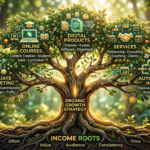
Hey everyone! Ever feel like you’re constantly chasing your tail, trying to keep all those online income streams flowing while simultaneously dreaming of scaling them to new heights? You’re not alone.
The digital landscape is brimming with opportunities, but the sheer volume of tasks can quickly become overwhelming, turning a promising venture into a never-ending to-do list. What if I told you there’s a powerful ally ready to step in and shoulder much of that burden, freeing you up to focus on strategy, creativity, and true growth?
That ally, my friends, is Artificial Intelligence, or AI. It’s no longer just a futuristic concept; AI is here, now, and it’s revolutionizing how we approach business, especially for those of us navigating the exciting world of online income. We’re talking about automating repetitive tasks, gaining deeper insights, and ultimately, creating more time and space for what truly matters: expanding your reach and boosting your bottom line.
So, buckle up, because we’re about to dive deep into some seriously game-changing AI automation ideas that can transform your online income streams from a trickle to a roaring river.
The Unseen Power of AI: Beyond Simple Automation
When we talk about AI automation, it’s easy to picture simple, rule-based tasks being handled by a bot. And while that’s certainly a part of it, the true power of AI lies in its ability to learn, adapt, and make intelligent decisions based on vast amounts of data.
Imagine having a super-smart assistant working tirelessly behind the scenes, constantly refining your processes and identifying new opportunities.
Consider the time sink that administrative tasks often become. AI can step in to handle a significant portion of this workload, allowing you to reallocate your precious energy to higher-value activities.
This shift isn’t just about efficiency; it’s about strategic leverage, enabling you to do more with less effort and unlock new levels of productivity.
Unlocking Growth: AI for Content Creation and Marketing
One of the biggest hurdles for anyone building online income streams is consistently producing high-quality content and effectively marketing it. The demand for fresh, engaging material across various platforms can be relentless. This is where AI truly shines, offering an incredible array of tools to streamline and enhance your content creation and distribution efforts.
Think about generating blog post outlines, drafting social media captions, or even creating compelling ad copy in a fraction of the time it would take manually.
Beyond just creation, AI can revolutionize your marketing strategy. It can analyze audience data to identify optimal posting times, suggest relevant keywords for SEO, and even personalize email campaigns based on individual user behavior. This level of precision marketing was once only accessible to large corporations with massive budgets.
Now, with readily available AI tools, even individual entrepreneurs can harness this power to reach the right people with the right message at the perfect moment. The impact on conversion rates and customer engagement can be truly astounding.
How AI is Transforming Digital Marketing
Automated Content Generation
While human input remains essential for maintaining brand voice, creativity, and context, these tools provide high-quality drafts that significantly reduce the time required to create engaging content.
SEO Optimization
Modern AI-driven SEO tools can analyze search behavior, identify valuable keywords, and recommend content enhancements that improve search engine rankings. They can also track competitor performance, uncover emerging trends, and reveal untapped opportunities, enabling businesses to develop more effective content strategies and increase online visibility.
Social Media Management
Managing multiple social media platforms becomes more efficient with AI. These tools can automate post scheduling, monitor audience engagement, and recommend the best content formats, posting times, and hashtags for each platform. Some advanced solutions can even generate compelling captions and visual assets, helping brands maintain a consistent and engaging online presence.
Personalized Email Marketing
AI enables marketers to deliver highly targeted email campaigns by analyzing customer behavior, purchase history, and demographic data. By creating personalized content for specific audience segments, businesses can improve open rates, increase click-through rates, and drive higher conversion rates, ultimately enhancing customer engagement and loyalty.
Ad Campaign Optimization
AI can continuously monitor advertising campaigns across multiple channels and make real-time adjustments to maximize performance. By identifying underperforming ads, optimizing bidding strategies, and reallocating budgets to the most effective campaigns, AI helps businesses achieve better results while maximizing their return on investment.
Image and Video Creation
Advancements in generative AI have made visual content creation faster and more accessible than ever. AI-powered tools can generate unique images, edit videos, create animations, and even produce marketing visuals from simple text prompts. This reduces production costs, accelerates content development, and enables businesses to create professional-quality visuals at scale.
Streamlining Operations: AI for Sales, Customer Service, and Analytics
Beyond content and marketing, AI offers immense potential for optimizing the operational aspects of your online income streams. Each touchpoint can be enhanced and streamlined with intelligent automation, leading to improved customer satisfaction and reduced workload for you.
This means less time spent on repetitive tasks and more time focused on strategic growth.
Consider how AI can transform your sales process. From lead qualification to personalized product recommendations. On the customer service front, AI-powered chatbots can handle a significant percentage of common inquiries, providing instant support 24/7.
This not only improves customer experience but also frees up your time to address more complex issues. The data generated from these interactions can then be fed back into AI systems for continuous improvement.
Here’s a detailed look at how AI can optimize various operational aspects:
| Operational Area | AI Automation Function |
| Content Creation | Generates blog posts, product descriptions, email newsletters, and social media content. |
| SEO Optimization | Analyzes search trends, identifies keywords, and recommends content improvements to improve rankings. |
| Social Media Management | Schedules posts, tracks engagement metrics, and recommends content strategies and hashtags. |
| Email Marketing | Segments audiences and delivers personalized campaigns based on customer behavior and preferences. |
| Advertising Management | Monitors campaign performance, optimizes budgets, and adjusts targeting for maximum ROI. |
| Data Analytics | Processes large datasets to identify trends, generate insights, and support business decisions. |
| Image & Video Production | Creates, edits, and enhances visual content through AI-powered design and generation tools. |
| Sales & Lead Generation | Identifies potential customers, scores leads, and automates follow-up communications. |
| Workflow Automation | Streamlines repetitive administrative tasks, approvals, and business processes. |
Automated Content Generation
AI-powered writing assistants have revolutionized content creation by helping businesses produce blog posts, product descriptions, email newsletters, and social media content more efficiently. While human input remains essential for maintaining brand voice, creativity, and context, these tools provide high-quality drafts that significantly reduce the time required to create engaging content.
SEO Optimization
Modern AI-driven SEO tools can analyze search behavior, identify valuable keywords, and recommend content enhancements that improve search engine rankings. They can also track competitor performance, uncover emerging trends, and reveal untapped opportunities, enabling businesses to develop more effective content strategies and increase online visibility.
Social Media Management
Managing multiple social media platforms becomes more efficient with AI. These tools can automate post scheduling, monitor audience engagement, and recommend the best content formats, posting times, and hashtags for each platform. Some advanced solutions can even generate compelling captions and visual assets, helping brands maintain a consistent and engaging online presence.
Personalized Email Marketing
AI enables marketers to deliver highly targeted email campaigns by analyzing customer behavior, purchase history, and demographic data. By creating personalized content for specific audience segments, businesses can improve open rates, increase click-through rates, and drive higher conversion rates, ultimately enhancing customer engagement and loyalty.
Ad Campaign Optimization
AI can continuously monitor advertising campaigns across multiple channels and make real-time adjustments to maximize performance. By identifying underperforming ads, optimizing bidding strategies, and reallocating budgets to the most effective campaigns, AI helps businesses achieve better results while maximizing their return on investment.
Image and Video Creation
Advancements in generative AI have made visual content creation faster and more accessible than ever. AI-powered tools can generate unique images, edit videos, create animations, and even produce marketing visuals from simple text prompts. This reduces production costs, accelerates content development, and enables businesses to create professional-quality visuals at scale.
Conclusion
By automating repetitive tasks, enhancing decision-making through data-driven insights, and streamlining content creation and campaign management, AI empowers organizations to improve efficiency, reduce operational costs, and achieve better business outcomes.
While human expertise remains essential for strategy, creativity, and oversight, the integration of AI into daily operations offers significant opportunities for growth, scalability, and long-term success.
Organizations that strategically leverage AI today are not only optimizing their current processes but also building a foundation for a more agile, innovative, and resilient future.
How To Use Ai Automation For Ecommerce Businesses

Hey there, fellow e-commerce adventurers! Ever feel like you’re juggling a hundred different tasks, from inventory management to customer service, all while trying to scale your online store? What if I told you there’s a powerful ally waiting in the wings, ready to take on some of your most repetitive and time-consuming chores?
We’re talking about AI automation, and it’s not just for the tech giants anymore; it’s rapidly becoming an indispensable tool for e-commerce businesses of all sizes.
Imagine a world where your customer inquiries are answered instantly, your marketing campaigns are hyper-personalized, and your product recommendations are always spot-on. This isn’t science fiction; it’s the reality that AI automation can create for your e-commerce business.
Let’s dive into how this incredible technology can transform your online store, boosting efficiency, enhancing customer experience, and ultimately, driving more sales.
This capability translates directly into tangible benefits for your business, from optimizing pricing strategies to streamlining your supply chain.
So, buckle up, because we’re about to explore the exciting world of AI automation and how it can revolutionize your e-commerce journey.
One of the most immediate and impactful areas where AI shines is in enhancing the customer experience. Think about the last time you interacted with a chatbot that actually solved your problem quickly and efficiently. That’s AI at work, providing instant support and guidance to your customers, often before they even realize they need it.
Beyond instant support, AI can personalize the entire customer journey, making each interaction feel unique and tailored. This level of personalization is no longer a luxury; it’s an expectation from today’s savvy online shoppers, and AI is your key to delivering it consistently.
Let’s talk about the nitty-gritty of how AI can actually be implemented in your e-commerce operations. It’s not about replacing human interaction entirely, but rather augmenting it, allowing your team to focus on more complex and nuanced tasks. Consider the power of AI-driven chatbots for handling frequently asked questions, order tracking, and even basic troubleshooting.
This frees up your customer service team to tackle more intricate issues, leading to higher job satisfaction and better overall service.
Another game-changer is AI-powered product recommendation engines. These sophisticated algorithms analyze customer behavior, purchase history, and even real-time browsing patterns to suggest products that are highly likely to appeal to individual shoppers. This not only increases average order value but also introduces customers to new items they might love, fostering a sense of discovery and delight.
It’s like having a personal shopper for every single visitor to your store.
Then there’s the magic of AI in optimizing your marketing efforts. Imagine creating highly targeted ad campaigns that reach the right audience at the perfect moment, all without endless manual adjustments. AI can analyze vast amounts of demographic and behavioral data to identify ideal customer segments and then tailor ad content and placement for maximum impact.
For example, AI can predict which customers are most likely to churn and then trigger personalized re-engagement campaigns to win them back. It can also identify emerging trends in customer preferences, allowing you to adjust your product offerings and marketing messages proactively. This forward-thinking approach ensures your business remains agile and responsive to the ever-changing demands of the market.
It’s about staying one step ahead of the competition and consistently delivering what your customers want.
Business Impact of AI Across Key Operational Areas
| AI Application Area | Core Benefit | Example Automation | Expected Business Impact |
| Customer Service | Enhanced customer experience and operational efficiency | AI chatbots for FAQs, order tracking, automated ticket routing, virtual assistants | Lower support costs, faster response times, increased customer satisfaction, improved retention |
| Marketing | Improved targeting and campaign performance | Personalized email campaigns, audience segmentation, predictive analytics, AI-powered advertising | Higher conversion rates, improved marketing ROI, stronger customer engagement, increased brand loyalty |
| Product Management | Smarter inventory and supply chain management | Demand forecasting, automated replenishment, inventory optimization, supplier analysis | Reduced stockouts, lower inventory costs, improved forecasting accuracy, enhanced operational efficiency |
| Sales & Conversion Optimization | Increased revenue generation | Personalized product recommendations, dynamic pricing, lead scoring, automated sales outreach | Higher average order value (AOV), improved conversion rates, increased revenue, better customer experiences |
| Human Resources | Streamlined workforce management | Resume screening, interview scheduling, onboarding automation, employee performance analytics | Faster hiring processes, reduced administrative workload, improved talent acquisition and retention |
| Finance & Accounting | Improved accuracy and financial visibility | Automated invoicing, expense management, fraud detection, financial forecasting | Reduced errors, lower operational costs, stronger compliance, more informed decision-making |
| Operations & Workflow Management | Greater productivity and efficiency | Process automation, task management, document processing, workflow orchestration | Reduced manual effort, increased productivity, faster execution, lower operational costs |
| Data Analytics & Business Intelligence | Data-driven decision-making | Automated reporting, predictive analytics, anomaly detection, executive dashboards | Faster insights, improved strategic planning, enhanced business performance monitoring |
| E-Commerce & Retail | Personalized shopping experiences | Recommendation engines, customer behavior analysis, AI search optimization | Increased sales, higher customer satisfaction, improved retention and loyalty |
| Supply Chain & Logistics | Optimized logistics and resource allocation | Route optimization, predictive maintenance, demand forecasting, warehouse automation | Reduced transportation costs, improved delivery performance, minimized disruptions |
Strategic Benefits of AI Adoption
Organizations that successfully integrate AI into their operations often experience improvements in four key areas:
Improved Customer Experience
Personalized interactions, faster support, and proactive engagement help businesses build stronger relationships with customers while improving satisfaction and loyalty.
Scalable Growth
By reducing operational bottlenecks and increasing productivity, AI allows organizations to grow without proportionally increasing costs or staffing requirements.
Key Takeaway
AI is no longer limited to a single department or business function. Its impact extends across customer service, marketing, sales, operations, finance, and supply chain management, creating opportunities for organizations to improve efficiency, reduce costs, enhance customer experiences, and drive sustainable growth.
Businesses that strategically implement AI today are building a foundation for greater agility, competitiveness, and innovation in an increasingly digital and data-driven economy.
Now, let’s look at how AI can truly streamline your internal operations, turning tedious tasks into automated processes. Inventory management, for instance, can be a major headache for e-commerce businesses.
AI algorithms can analyze transaction patterns in real-time, flagging suspicious activities and preventing fraudulent purchases before they occur.
This proactive protection safeguards your business and builds trust with your legitimate customers.
Even the often-dreaded returns process can be made more efficient with AI. Imagine a system that automatically processes return requests, verifies product conditions, and initiates refunds or exchanges, all with minimal human intervention.
It’s about turning a potential pain point into a smooth and efficient experience.
Implementing AI automation doesn’t have to be a massive, overwhelming undertaking. You can start small, focusing on areas where you experience the most bottlenecks or repetitive tasks.
Many AI tools are now designed with user-friendly interfaces, making them accessible even if you don’t have a team of data scientists.
Here are some actionable steps to get started with AI in your e-commerce business:
A Practical Roadmap for Implementing AI in Your Business
Successfully adopting AI is not about replacing existing processes overnight—it is about strategically introducing automation and intelligence where they can deliver the greatest value. Organizations that take a structured, step-by-step approach are more likely to achieve sustainable results and maximize their return on investment.
1. Identify Your Biggest Operational Challenges
Repetitive processes, data-heavy activities, and areas prone to human error are often ideal candidates for AI automation.
Common Opportunities Include:
- Customer support inquiries
- Content creation and marketing
- Data entry and reporting
- Lead generation and qualification
- Inventory management
- Administrative tasks
Goal: Focus on areas where AI can deliver immediate and measurable improvements.
2. Research Available AI Solutions
Once you have identified your primary challenges, explore AI tools and platforms designed to address those specific needs. Compare features, pricing, scalability, integration capabilities, and customer reviews before making a decision.
Evaluation Criteria:
- Ease of implementation
- Cost and expected ROI
- Compatibility with existing systems
- Customer support and training resources
- Security and compliance standards
Goal: Select solutions that align with both your current requirements and long-term business objectives.
3. Start with a Pilot Project
Rather than implementing AI across the entire organization at once, begin with a focused pilot project. A small-scale deployment allows you to test functionality, evaluate performance, and identify potential challenges before expanding further.
Examples of Pilot Projects:
- AI chatbot for frequently asked questions
- Automated email marketing campaigns
- AI-powered content generation
- Predictive sales forecasting
- Automated reporting dashboards
Goal: Validate effectiveness while minimizing operational risk.
4. Measure Performance and Results
Establish clear success metrics before implementation and continuously monitor performance after deployment. Measuring outcomes helps determine whether the solution is delivering meaningful value.
Key Metrics May Include:
- Time savings
- Cost reductions
- Productivity improvements
- Customer satisfaction scores
- Lead conversion rates
- Revenue growth
- Employee efficiency
Goal: Quantify the business impact of AI investments.
5. Optimize and Expand Strategically
Once a pilot project demonstrates success, gradually introduce AI into additional departments and workflows. Scaling incrementally allows your organization to build expertise and confidence while maintaining operational stability.
Benefits of a Phased Approach:
- Reduced implementation risk
- Better change management
- Higher employee adoption rates
- Continuous improvement opportunities
Goal: Build a scalable AI ecosystem that supports long-term growth.
6. Invest in Employee Training
Providing training and education helps teams embrace new technologies and maximize their value.
Training Focus Areas:
- AI tool functionality
- Workflow integration
- Data interpretation
- Ethical AI usage
- Best practices and limitations
Goal: Empower employees to work alongside AI rather than view it as a replacement.
7. Stay Informed About Emerging Developments
Artificial intelligence is evolving rapidly, with new tools, capabilities, and applications emerging regularly. Businesses that remain informed are better positioned to capitalize on future opportunities.
Recommended Activities:
- Follow industry publications
- Attend webinars and conferences
- Participate in professional communities
- Explore new AI platforms and features
Goal: Maintain a competitive advantage through continuous learning and innovation.
8. Prioritize Data Quality and Governance
AI systems rely heavily on data. Poor-quality, incomplete, or inaccurate data can significantly reduce effectiveness and lead to unreliable outcomes.
Best Practices Include:
- Maintaining accurate records
- Standardizing data collection processes
- Regularly auditing datasets
- Implementing strong security measures
- Establishing data governance policies
Goal: Ensure AI systems have access to reliable information for optimal performance.
Key Success Factors
| Success Factor | Why It Matters |
| Clear Business Objectives | Ensures AI initiatives solve real business problems |
| High-Quality Data | Improves AI accuracy and decision-making |
| Employee Adoption | Maximizes utilization and long-term success |
| Performance Measurement | Demonstrates ROI and guides optimization |
| Strategic Scaling | Reduces risk and supports sustainable growth |
| Continuous Learning | Keeps organizations competitive in a rapidly evolving landscape |
Final Thoughts
The organizations achieving the greatest success are those that begin with clear objectives, focus on measurable outcomes, and continuously refine their approach over time. By identifying high-impact opportunities, investing in training, maintaining strong data practices, and scaling strategically, businesses can unlock significant gains in efficiency, innovation, and competitive advantage.
The goal is not simply to automate tasks—it is to create smarter, more agile, and more resilient businesses capable of adapting to an increasingly digital world.
Ultimately, AI automation isn’t just about cutting costs or increasing efficiency; it’s about transforming your e-commerce business into a more agile, responsive, and customer-centric operation. By embracing these intelligent tools, you’re not just keeping up with the competition; you’re setting yourself apart. You’re creating a shopping experience that delights customers, empowers your team, and propels your business towards sustainable growth in the ever-evolving digital landscape.
So, what are you waiting for? The future of e-commerce is here, and it’s powered by AI.
How Creators Use Ai Tools To Grow Faster Online

Hey there, fellow internet adventurers and creative minds! Ever feel like you’re constantly chasing your tail online, trying to keep up with the ever-accelerating pace of content creation and audience engagement? You’re definitely not alone.
The digital landscape is a wild and wonderful place, but it demands a lot from us creators. That’s where a new kind of superpower comes into play: Artificial Intelligence. It’s no longer just the stuff of sci-fi movies; AI is becoming an indispensable partner for creators looking to not just survive, but truly thrive and grow faster online.
Think of AI as your super-efficient, always-on assistant, ready to tackle tasks that used to eat up hours of your precious time. From brainstorming ideas to crafting compelling copy, and even analyzing what your audience truly wants, AI is revolutionizing how we approach our creative endeavors. It’s about working smarter, not necessarily harder, and freeing up your mental energy for the truly unique and human aspects of your craft.
This isn’t about replacing creativity; it’s about amplifying it, allowing you to reach more people, more effectively, and with more impact.
Let’s dive into how creators are actually leveraging these incredible tools to supercharge their online presence. We’ll explore the practical applications, the tangible benefits, and even a few tips on how you can start incorporating AI into your own workflow. Get ready to unlock new levels of productivity and creativity, because the future of online growth is looking incredibly intelligent.
One of the most immediate and impactful ways creators are utilizing AI is in the realm of content generation and optimization. Imagine staring at a blank page, the dreaded “creator’s block” looming large. AI writing assistants can be a lifesaver here, generating outlines, headlines, social media captions, or even entire blog post drafts in a matter of seconds.
This isn’t about letting AI write your masterpiece for you, but rather giving you a strong foundation to build upon, sparking new ideas, and overcoming that initial hurdle. It’s like having a brainstorming partner who never runs out of ideas, no matter how obscure the topic.
Beyond just generating text, AI is also incredibly adept at optimizing existing content for better reach and engagement. This means more eyeballs on your work without you having to become an SEO guru overnight.
For video creators, AI can even generate subtitles, translate content into multiple languages, and identify key moments in your footage, saving countless hours in post-production.
Consider the time saved in mundane tasks. For instance, imagine needing to write ten different variations of a social media post for various platforms. Manually, that’s a significant time investment.
With an AI tool, you can input your core message and generate multiple, unique versions almost instantly, tailored to the specific nuances of Instagram, Twitter, Facebook, and LinkedIn. The goal is to free up your human creativity for the truly unique and differentiating elements of your brand.
For example, an AI tool can analyze comments, likes, shares, and watch times across your various platforms to pinpoint which topics are generating the most enthusiasm. It can even identify the optimal times to post for maximum reach, or suggest content formats that perform best with your specific demographic.
Understanding your audience on this granular level is crucial for building a sustainable online presence.
Furthermore, AI can help creators personalize their interactions with their audience at scale. Chatbots, for instance, can handle frequently asked questions, direct followers to relevant resources, or even assist with customer service inquiries, all without requiring your direct intervention. This creates a more responsive and engaging experience for your audience, making them feel valued and heard, even when you’re busy creating.
The ability to maintain a high level of interaction, even with a rapidly growing audience, is a significant advantage that AI provides.
Let’s look at some specific ways creators are leveraging AI across different platforms and content types.
How Different Professionals Use AI to Enhance Productivity and Creativity
Artificial intelligence is no longer limited to large corporations or technology specialists. Today, creators, entrepreneurs, marketers, educators, and business owners are integrating AI into their daily workflows to improve efficiency, generate ideas, automate repetitive tasks, and produce higher-quality work.
Bloggers and Content Writers
Content creators use AI to accelerate research, improve content quality, and optimize articles for search engines. AI writing assistants can help generate topic ideas, create outlines, draft content, and identify SEO opportunities.
Common Applications:
- Keyword research and SEO optimization
- Blog post ideation and outlining
- Headline and title generation
- Content drafting and editing
- Content repurposing and summarization
Key Benefits:
- Faster content production
- Improved search visibility
- Enhanced content consistency
- Reduced writer’s block
YouTubers and Video Content Creators
Video creators leverage AI throughout the entire content production process, from brainstorming ideas to editing and performance analysis.
Common Applications:
- Video topic generation
- Scriptwriting assistance
- Thumbnail and title optimization
- Automatic captions and translations
- Audience analytics and engagement insights
- Short-form content extraction
Key Benefits:
- Increased content output
- Improved audience reach
- Enhanced video discoverability
- Reduced editing time
Social Media Managers
AI enables social media professionals to manage multiple platforms more efficiently while maintaining engagement and consistency.
Common Applications:
- Caption generation
- Content scheduling
- Trend monitoring
- Hashtag recommendations
- Ad copy creation
- Audience sentiment analysis
Key Benefits:
- Improved engagement rates
- More consistent posting schedules
- Better content performance
- Enhanced audience targeting
Podcasters
Podcast creators use AI to streamline production, improve accessibility, and extend the value of each episode through content repurposing.
Common Applications:
- Episode transcription
- Show notes generation
- Episode summaries
- Highlight extraction
- Promotional content creation
- Topic and guest research
Key Benefits:
- Faster post-production workflows
- Increased content distribution opportunities
- Improved accessibility
- Greater audience reach
Graphic Designers and Digital Artists
Creative professionals increasingly use AI as a design assistant that accelerates ideation and visual production.
Common Applications:
- Design concept generation
- Image creation and enhancement
- Background removal
- Style exploration
- Creative brainstorming
- Visual asset generation
Key Benefits:
- Faster creative workflows
- Increased design experimentation
- Reduced production costs
- Enhanced creative inspiration
Online Course Creators and Educators
AI is helping educators create more engaging and personalized learning experiences while reducing course development time.
Common Applications:
- Course structure development
- Lesson planning
- Quiz and assessment creation
- Learning material generation
- Content summarization
- Personalized learning resources
Key Benefits:
- Faster course development
- Improved learner engagement
- Enhanced content quality
- More scalable educational programs
E-Commerce Entrepreneurs
Online businesses use AI to optimize marketing, improve customer experiences, and increase sales performance.
Common Applications:
- Product description generation
- Personalized recommendations
- Customer review analysis
- Advertising campaign creation
- Inventory forecasting
- Customer support automation
Key Benefits:
- Increased conversion rates
- Improved customer satisfaction
- Enhanced operational efficiency
- Higher sales performance
AI Adoption Across Industries
| Professional Role | Primary AI Use Cases | Business Impact |
| Bloggers & Writers | Content creation, SEO, research | Faster publishing and increased organic traffic |
| YouTubers & Video Creators | Scripting, editing, optimization | Greater content output and audience growth |
| Social Media Managers | Scheduling, engagement, analytics | Improved reach and campaign performance |
| Podcasters | Transcription, summaries, promotion | Enhanced efficiency and content distribution |
| Designers & Artists | Visual creation and ideation | Faster creative production and innovation |
| Course Creators | Educational content development | Improved learning experiences and scalability |
| E-Commerce Entrepreneurs | Product marketing and personalization | Increased conversions and customer retention |
Key Takeaway
AI is becoming an essential productivity tool across virtually every creative and business profession. While the specific applications vary by industry, the underlying benefits remain consistent: greater efficiency, improved quality, enhanced scalability, and more time to focus on strategic and creative work.
The professionals who gain the greatest advantage are not those who rely entirely on AI, but those who combine AI-powered automation with human expertise, creativity, and critical thinking.
The sheer breadth of applications is astounding, and new tools are emerging constantly, pushing the boundaries of what’s possible for independent creators.
The impact of AI on creator growth isn’t just anecdotal; there’s real data to back it up. Creators who strategically integrate AI tools into their workflow often see measurable improvements in key performance indicators. This isn’t about magic; it’s about efficiency and data-driven decision-making.
Here’s a look at how AI adoption is influencing creator metrics, based on aggregated data from creator surveys and platform analytics:
Impact of AI Adoption on Content Creator Performance
| Performance Metric | Creators Not Using AI | Creators Using AI (Basic Implementation) | Creators Using AI (Advanced Implementation) |
| Content Production Volume (Weekly) | 3–5 content pieces | 7–10 content pieces | 12–15+ content pieces |
| Average Audience Engagement Rate | 3.5% | 5.2% | 7.8% |
| Time Saved Per Week | 0 hours | 5–8 hours | 10–15+ hours |
| Monthly Reach and Impression Growth | 10–15% | 20–25% | 30–40%+ |
| Monetization Potential | Moderate | Strong | Exceptional |
| Content Repurposing Efficiency | Low | Medium | High |
| Content Publishing Consistency | Inconsistent due to manual workload | More consistent scheduling | Highly consistent, automated workflows |
| SEO Optimization Effectiveness | Manual and time-intensive | AI-assisted keyword optimization | Fully integrated SEO and content intelligence workflows |
| Audience Personalization Capability | Limited | Moderate personalization | Advanced audience segmentation and personalization |
| Multi-Platform Content Distribution | Manual adaptation for each channel | Partial automation | Fully optimized cross-platform distribution |
| Data-Driven Decision Making | Basic analytics review | AI-assisted insights | Predictive analytics and performance forecasting |
| Competitive Advantage | Relies primarily on manual effort | Improved productivity and responsiveness | Highly scalable, data-driven content operation |
What Separates Advanced AI Creators?
Creators who achieve the greatest results typically move beyond basic content generation and integrate AI throughout their entire content workflow. Rather than using AI solely for writing assistance, they leverage it for:
- Content ideation and trend discovery
- Keyword research and SEO optimization
- Scriptwriting and content production
- Image and video generation
- Social media scheduling
- Audience analysis and segmentation
- Content repurposing
- Performance forecasting and optimization
This creates a highly efficient content ecosystem capable of producing more content with greater consistency and stronger audience engagement.
Key Insights
Increased Content Output
AI dramatically reduces the time required for research, planning, drafting, editing, and distribution. This allows creators to publish significantly more content without compromising quality.
Higher Engagement Rates
AI-powered optimization tools help creators identify topics, formats, and messaging that resonate most with their audiences, resulting in stronger engagement metrics.
Greater Scalability
Advanced AI users can operate at a scale that would traditionally require a larger team. Through automation and intelligent workflows, creators can expand their reach while maintaining operational efficiency.
Improved Monetization Opportunities
Higher content output, increased audience engagement, and stronger distribution capabilities create additional revenue opportunities through advertising, sponsorships, affiliate marketing, digital products, and premium content offerings.
Strategic Takeaway
The gap between creators who leverage AI effectively and those who rely solely on traditional workflows is becoming increasingly significant. While creativity, authenticity, and audience connection remain essential, AI provides the operational advantage needed to compete in today’s content-driven economy.
The most successful creators are not replacing human creativity with artificial intelligence—they are using AI to amplify their capabilities, accelerate production, and make smarter, data-driven decisions. As AI tools continue to evolve, creators who adopt advanced AI workflows will be better positioned to grow their audiences, increase revenue, and build sustainable content businesses in an increasingly competitive digital landscape.
*Note: “Basic” AI usage typically involves single-purpose tools like a headline generator, while “Advanced” implies integrated workflows with multiple AI tools for various stages of content creation and analysis.*
As you can see from the table, the difference in output and engagement can be quite significant. Creators using advanced AI tools are not only producing more content but are also seeing higher engagement, indicating that the content is more targeted and effective. The time saved is perhaps the most valuable commodity, allowing creators to focus on strategy, community building, and personal well-being.
This data underscores the transformative potential of AI for creators who are serious about scaling their online presence.
So, where do you even begin with incorporating AI into your own creative journey? The good news is that many AI tools are incredibly user-friendly and often offer free tiers or trials.
Whether it’s overcoming writer’s block, streamlining your social media scheduling, or getting a better handle on your audience analytics, there’s likely an AI tool out there that can help. The key is to experiment, learn, and integrate these tools thoughtfully into your existing workflow.
It’s there to assist you, to automate the mundane, and to provide data-driven insights that empower you to make better creative decisions. By embracing AI, you’re not just keeping up with the curve; you’re positioning yourself to lead it.
The future of content creation is collaborative, and AI is an invaluable partner in that collaboration.
How Ai Tools Help Marketers Grow Traffic Faster

Hey there, fellow marketing enthusiasts! Have you ever felt like you’re constantly chasing your tail, trying to keep up with the ever-evolving digital landscape? It’s a familiar feeling, isn’t it?
The quest for increased website traffic, higher engagement, and ultimately, more conversions, can sometimes feel like an uphill battle. But what if I told you there’s a powerful ally that’s transforming the way we approach these challenges, enabling us to grow traffic not just faster, but smarter? We’re talking about Artificial Intelligence, and it’s not just a buzzword anymore; it’s a game-changer for marketers like us.
Think about it. From website analytics to social media trends, customer behaviors to competitor strategies, sifting through it all manually is simply unfeasible.
This is where AI swoops in, offering an unparalleled ability to process, analyze, and interpret vast datasets at lightning speed. It’s like having a super-powered assistant that never sleeps, constantly optimizing and refining your marketing efforts. This isn’t about replacing human creativity or strategic thinking; it’s about augmenting our capabilities, freeing us from tedious tasks, and empowering us to make data-driven decisions that genuinely move the needle.
So, let’s dive into how AI is becoming the secret weapon for marketers aiming to supercharge their traffic growth.
One of the most immediate and impactful ways AI is revolutionizing traffic generation is through its prowess in content creation and optimization. Gone are the days of staring at a blank screen, desperately trying to conjure up engaging blog posts or compelling ad copy. AI-powered content generation tools can now assist in brainstorming topics, crafting outlines, and even drafting full articles or social media updates.
Imagine the time saved, allowing you to focus on higher-level strategy and creative direction.
Beyond just generating content, AI excels at optimizing it for maximum visibility. SEO is a constantly shifting beast, and staying on top of keyword trends, competitor strategies, and algorithm updates can be a full-time job in itself. AI tools can analyze search engine results pages (SERPs), identify high-ranking keywords, and suggest content improvements to boost your organic search rankings.
Unlocking the Power of Personalized User Experiences
Another area where AI truly shines is in its ability to deliver hyper-personalized user experiences, a critical factor in driving repeat traffic and conversions. We all know that generic marketing messages often fall flat.
AI makes this not just possible, but scalable. By analyzing individual user behavior, browsing history, purchase patterns, and even demographic data, AI algorithms can create highly segmented audience profiles.
Think about the recommendations you receive on streaming services or e-commerce sites. That’s AI at work, learning your preferences and suggesting content or products you’re genuinely likely to enjoy. The same principle applies to marketing.
AI can dynamically adjust website content, email campaigns, and ad placements based on a user’s real-time interactions. This level of personalization not only boosts traffic but also cultivates stronger customer loyalty.
This positive interaction makes them more likely to return to your website and recommend it to others.
These AI tools can handle a vast volume of inquiries simultaneously, providing instant support 24/7, leading to higher customer satisfaction and a reduced bounce rate, both of which are crucial for sustained traffic growth. The seamless and efficient support offered by AI builds trust and encourages repeat engagement.
AI Applications and Their Impact on Digital Marketing Performance
| AI Application Area | Primary Business Benefits | Key Performance Indicators (KPIs) | Popular AI-Powered Tools |
| SEO Optimization & Content Intelligence | Improved search visibility, stronger organic rankings, increased website traffic, enhanced content relevance | Organic Traffic, Keyword Rankings, Domain Authority, Click-Through Rate (CTR) | Ahrefs, Surfer SEO, Semrush, Clearscope |
| Personalization & Customer Experience | Higher user engagement, increased conversion rates, improved customer retention, enhanced customer journeys | Conversion Rate, Returning Visitors, Session Duration, Customer Lifetime Value (CLV) | Optimizely, Dynamic Yield, Braze, Adobe Target |
| Predictive Analytics & Marketing Intelligence | Early trend identification, optimized campaign timing, improved budget allocation, reduced marketing waste | Paid Traffic, CTR, Cost Per Click (CPC), Return on Ad Spend (ROAS) | Google Analytics 4, Adobe Analytics, IBM Watson, Tableau AI |
| AI Chatbots & Virtual Assistants | Faster customer support, 24/7 availability, improved lead qualification, enhanced customer satisfaction | Customer Satisfaction Score (CSAT), Direct Traffic, Returning Visitors, Lead Conversion Rate | Intercom, Drift, LiveChat AI, Zendesk AI |
| Social Media Management & Optimization | Automated scheduling, trend discovery, audience insights, improved engagement performance | Social Traffic, Engagement Rate, Reach, Follower Growth | Sprout Social, Hootsuite, Buffer AI, Later AI |
| Email Marketing Automation | Personalized communication, automated nurturing, improved customer retention, increased conversions | Open Rate, Click Rate, Conversion Rate, Revenue Per Email | Mailchimp AI, ActiveCampaign, Klaviyo, HubSpot AI |
| Advertising Optimization | Improved targeting accuracy, automated bidding, enhanced campaign performance, higher ROI | ROAS, CPC, Cost Per Acquisition (CPA), Conversion Rate | Google Ads AI, Meta Advantage+, AdCreative.ai |
| Content Creation & Generation | Faster content production, increased publishing frequency, reduced content costs, improved scalability | Content Output, Engagement Rate, Organic Traffic, Lead Generation | Jasper, Copy.ai, Writesonic, ChatGPT |
| Audience Segmentation & Targeting | More precise customer targeting, personalized campaigns, improved marketing efficiency | Audience Engagement, Conversion Rate, Customer Acquisition Cost (CAC) | HubSpot AI, Salesforce Einstein, Segment |
| Marketing Analytics & Reporting | Automated reporting, deeper business insights, faster decision-making, performance forecasting | Marketing ROI, Revenue Attribution, Campaign Performance, Customer Insights | Looker, Tableau AI, Power BI AI, Google Analytics |
Strategic Business Impact
AI technologies are transforming digital marketing by enabling organizations to move from reactive decision-making to proactive optimization. By automating analysis, improving personalization, and providing predictive insights, AI helps businesses maximize marketing effectiveness while minimizing wasted resources.
Key Organizational Benefits Include:
- Improved customer acquisition and retention
- More efficient marketing spend
- Better content and campaign performance
- Enhanced customer experiences
- Faster and more informed decision-making
- Increased scalability of marketing operations
Key Takeaway
Instead, organizations combine multiple AI-powered technologies across SEO, content creation, personalization, analytics, advertising, and customer engagement.
Streamlining Advertising and Campaign Management
When it comes to paid advertising, AI is nothing short of a revolution. Traditionally, managing ad campaigns involved a significant amount of manual effort, from setting bids to targeting audiences and analyzing performance. AI tools have automated and optimized many of these processes, leading to more efficient ad spending and significantly higher returns on investment.
This efficiency directly translates to faster traffic growth, as your advertising budget is utilized more effectively to reach the right people at the right time. AI removes much of the guesswork from ad campaigns, replacing it with data-driven precision.
They can predict which demographics, interests, and behaviors are most likely to result in a click or a conversion. This hyper-targeting capability ensures that your ads are shown to individuals who are genuinely interested, drastically improving your click-through rates (CTRs) and reducing wasted ad spend.
Imagine being able to fine-tune your ad delivery with such accuracy that every dollar spent contributes directly to bringing qualified traffic to your site. That’s the power of AI in advertising.
Furthermore, AI can dynamically adjust bids and allocate budgets in real-time, optimizing campaigns for maximum performance. If a particular ad creative or audience segment is performing exceptionally well, AI can automatically increase its budget allocation. Conversely, if an ad isn’t generating the desired results, AI can reduce its spend or even pause it entirely, preventing unnecessary expenditure.
The ability to react instantly to performance data is a major advantage that AI brings to the table.
Predicting Trends and Understanding Customer Behavior
One of the most exciting aspects of AI for marketers is its ability to predict future trends and deeply understand customer behavior. This isn’t just about looking at past data; it’s about using that data to forecast what’s coming next, allowing marketers to be proactive rather than reactive.
This allows marketers to jump on relevant conversations early, creating content that resonates with current public interest and capturing a wave of organic traffic. Imagine being able to predict the next big viral trend and create content around it before it explodes, positioning your brand as a thought leader and attracting a massive influx of visitors.
This kind of predictive power is a game-changer for staying ahead in a crowded digital space.
By identifying potential roadblocks or areas of friction on your website, AI can help you optimize the user experience, leading to longer visits, lower bounce rates, and ultimately, more traffic. It’s about creating a seamless and enjoyable experience that encourages users to explore and return.
Here are some specific ways AI helps marketers understand and predict:
Advanced AI Applications for Marketing Intelligence and Business Growth
Artificial intelligence is transforming how organizations understand customers, predict behavior, monitor market conditions, and optimize business performance. Beyond automation and content generation, AI provides powerful analytical capabilities that enable businesses to make more informed, data-driven decisions.
Sentiment Analysis
AI-powered sentiment analysis evaluates customer opinions, emotions, and attitudes by analyzing data from social media platforms, online reviews, customer feedback, forums, and other digital channels.
Key Benefits:
- Monitor brand reputation in real time
- Understand customer perceptions and preferences
- Identify emerging issues before they escalate
- Improve customer experience and engagement
Common Use Cases:
- Brand monitoring
- Reputation management
- Product feedback analysis
- Social listening campaigns
Customer Journey Mapping
AI can track and analyze customer interactions across websites, social media, email campaigns, mobile applications, and other touchpoints to create comprehensive customer journey maps.
Key Benefits:
- Identifies conversion opportunities
- Highlights friction points in the customer journey
- Improves user experience design
- Supports customer-centric marketing strategies
Common Use Cases:
- Conversion funnel optimization
- Website experience improvements
- Omnichannel marketing analysis
- Customer experience management
Customer Churn Prediction
AI can analyze behavioral patterns, engagement metrics, purchase history, and support interactions to identify customers at risk of leaving.
Key Benefits:
- Improves customer retention
- Reduces revenue loss
- Enables proactive intervention
- Strengthens customer loyalty
Common Use Cases:
- Subscription businesses
- SaaS platforms
- Telecommunications
- E-commerce retention programs
Purchase Propensity Modeling
AI can predict which prospects or customers are most likely to make a purchase by analyzing historical data, browsing behavior, demographic information, and engagement patterns.
Key Benefits:
- Improves lead qualification
- Enhances marketing efficiency
- Increases conversion rates
- Optimizes advertising spend
Common Use Cases:
- Lead scoring
- Sales forecasting
- Personalized marketing campaigns
- Cross-selling and upselling initiatives
Trend Detection and Market Intelligence
AI systems continuously analyze search trends, social conversations, industry news, and consumer behavior to identify emerging opportunities and market shifts.
Key Benefits:
- Identifies new market opportunities
- Supports proactive business planning
- Improves content and product strategies
- Enhances competitive positioning
Common Use Cases:
- Content planning
- Product development
- Market research
- Strategic forecasting
Competitive Intelligence and Analysis
AI-powered monitoring tools can analyze competitor activities, including content strategies, search rankings, advertising campaigns, social media performance, and customer engagement.
Key Benefits:
- Reveals competitive strengths and weaknesses
- Identifies market gaps
- Supports strategic decision-making
- Improves campaign performance
Common Use Cases:
- Competitive benchmarking
- SEO strategy development
- Advertising analysis
- Market positioning
Content Performance Forecasting
AI can evaluate historical content performance and audience engagement data to predict which topics, formats, and distribution channels are likely to generate the strongest results.
Key Benefits:
- Reduces content planning uncertainty
- Improves content ROI
- Increases audience engagement
- Optimizes resource allocation
Common Use Cases:
- Editorial planning
- Content marketing strategies
- Campaign forecasting
- Audience growth initiatives
Dynamic Pricing Optimization
AI can analyze customer demand, competitor pricing, seasonal trends, market conditions, and purchasing behavior to recommend optimal pricing strategies.
Key Benefits:
- Maximizes revenue opportunities
- Improves competitiveness
- Supports profit optimization
- Enhances pricing agility
Common Use Cases:
- E-commerce pricing
- SaaS subscription models
- Travel and hospitality pricing
- Retail promotions
Summary of AI-Driven Intelligence Capabilities
| AI Capability | Primary Business Objective | Key Outcome |
| Sentiment Analysis | Understand customer perception | Improved brand reputation management |
| Customer Journey Mapping | Optimize user experiences | Higher conversion rates |
| Churn Prediction | Improve customer retention | Reduced customer loss |
| Purchase Propensity Modeling | Increase conversions | More effective targeting |
| Trend Detection | Identify market opportunities | Faster strategic adaptation |
| Competitive Intelligence | Monitor competitors | Stronger market positioning |
| Content Performance Prediction | Improve content effectiveness | Higher engagement and ROI |
| Pricing Optimization | Maximize revenue | Increased profitability |
Key Takeaway
The next generation of AI is moving beyond automation and into intelligence-driven decision-making. Organizations that leverage AI for predictive analytics, customer insights, competitive intelligence, and strategic forecasting gain a significant advantage in understanding market dynamics and responding to opportunities faster than their competitors.
Rather than relying solely on historical data and intuition, businesses can use AI to anticipate customer needs, predict future outcomes, and make proactive decisions that drive growth, efficiency, and long-term competitive success.
The Future is AI-Powered Marketing
So, what does all this mean for the future of marketing? It means that AI is not just a passing fad; it’s an indispensable tool that will continue to reshape our industry. For marketers looking to grow traffic faster and more effectively, embracing AI is no longer an option but a necessity.
It empowers us to work smarter, not just harder, by automating tedious tasks, providing deep insights, and enabling hyper-personalization at scale. The ability to understand our audience with unprecedented clarity, create highly relevant content, and optimize campaigns in real-time gives us a significant competitive edge.
The beauty of AI in marketing is its continuous learning capability. The more data it processes, the smarter and more accurate its predictions and optimizations become.
It’s about building a marketing ecosystem that is constantly evolving and improving, driven by intelligent algorithms that are always working to achieve your goals. This iterative improvement is a core advantage that traditional marketing approaches simply cannot match.
Ultimately, AI allows us to focus on the truly human aspects of marketing: creativity, strategic thinking, and building genuine connections with our audience. By offloading the data crunching and repetitive tasks to AI, we free up our time and mental energy to craft more compelling narratives, develop innovative campaigns, and foster stronger brand loyalty. The future of traffic growth is deeply intertwined with the intelligent application of AI, transforming the challenges of the digital age into exciting opportunities for unparalleled success.
So, if you haven’t already, it’s time to start exploring how AI can become your most powerful ally in the quest for faster, smarter, and more sustainable traffic growth.
How Ai Automation Helps Businesses Save Time And Money

Ever feel like you are constantly battling the clock, trying to squeeze more hours into an already packed day? Or perhaps you are watching your budget with an eagle eye, searching for every possible way to trim costs without sacrificing quality. If you are a business owner or manager, these feelings are probably all too familiar.
The good news is, there is a powerful ally emerging in the business world, ready to help you conquer both these challenges: AI automation. It is not some futuristic fantasy; it is here, and it is reshaping how businesses operate, making them leaner, faster, and more efficient.
The beauty of AI automation lies in its ability to take over repetitive, time-consuming tasks that often drain human resources and introduce potential for error. Think about all those mundane administrative duties, the endless data entry, the customer service inquiries that pop up at all hours, or even the intricate process of supply chain management. These are the areas where human effort, while essential, can be optimized by intelligent machines.
Let’s dive a little deeper into the “how” of this transformation. Imagine a customer service department that is inundated with common questions. Historically, this meant hiring more agents, training them extensively, and still facing long wait times during peak periods.
With AI-powered chatbots, many of these inquiries can be resolved instantly, 24/7. This not only improves customer satisfaction but also significantly reduces the need for constant human intervention for basic requests. Similarly, in financial departments, AI can automate invoice processing, expense reporting, and even fraud detection, tasks that previously demanded meticulous manual review.
The ripple effect of these efficiencies extends far beyond individual departments. When one area of the business becomes more streamlined, it often positively impacts others. For example, faster invoice processing means quicker payments, which improves cash flow.
More efficient customer service leads to happier customers, who are more likely to become repeat buyers and recommend your business to others. This interconnectedness is what makes AI automation such a powerful strategic tool. It is not just a band-aid solution for a single pain point; it is a systemic improvement that enhances the overall health and agility of the entire organization.
Businesses that embrace AI automation are not just keeping up with the competition; they are actively setting new benchmarks for operational excellence.
Ultimately, the core promise of AI automation is to empower businesses to do more with less. By strategically implementing AI tools, companies can achieve significant reductions in operational costs while simultaneously boosting productivity and improving service quality.
This dual benefit of saving time and money is a compelling proposition for any organization looking to thrive in today’s fast-paced and competitive market. The initial investment in AI technology might seem daunting to some, but the long-term returns in efficiency, cost savings, and enhanced capabilities often far outweigh the upfront expenditure. It is an investment in the future, ensuring that a business remains agile, innovative, and resilient against unforeseen challenges.
One of the most tangible ways AI automation delivers on its promise is by dramatically reducing operational costs. Think about the sheer volume of manual labor involved in tasks like data entry, scheduling, inventory management, or even generating routine reports. Each of these tasks, when performed by human employees, incurs salary costs, benefits, and often requires significant training.
While humans are indispensable for complex problem-solving and creative endeavors, their time is incredibly valuable and should be allocated to activities that truly leverage their unique skills. This doesn’t necessarily mean replacing human workers entirely; rather, it means reallocating their talents to more impactful roles.
Consider the cost savings in areas like customer support. A traditional call center requires a large team of agents, extensive training programs, and significant infrastructure. While a human touch is crucial for complex or sensitive issues, a substantial portion of customer queries are routine: “What’s my order status?” “How do I reset my password?” “What are your operating hours?” AI-powered chatbots and virtual assistants can handle these common inquiries instantly and simultaneously, 24/7, without breaks or sick days.
Moreover, the ability to resolve issues quickly often translates to higher customer satisfaction, further strengthening brand loyalty and reducing potential churn costs.
Beyond direct labor cost reductions, AI automation also minimizes errors, which can be incredibly expensive for businesses. A single mistake in data entry could lead to incorrect billing, shipping errors, or compliance issues, each carrying its own financial penalty. AI systems, once properly configured, perform tasks with a level of precision and consistency that is virtually impossible for humans to maintain over long periods.
This reduction in errors translates directly into fewer rework costs, fewer customer complaints requiring compensation, and a lower risk of regulatory fines. The financial impact of avoiding these costly mistakes can be substantial, making AI automation a powerful tool for risk mitigation as well as cost reduction.
Furthermore, AI can optimize resource allocation, leading to even more subtle but significant savings. For instance, in manufacturing, AI can analyze production data to identify bottlenecks, predict equipment failures before they occur, and optimize production schedules to reduce waste and energy consumption. In logistics, AI can plan the most efficient delivery routes, minimizing fuel costs and delivery times.
These optimizations, while seemingly small individually, accumulate to considerable savings over time. Allows businesses to operate with a much greater degree of efficiency and less waste, directly impacting their bottom line.
The table below illustrates potential cost savings in various departments by implementing AI automation. These figures are illustrative and can vary widely based on business size, industry, and specific implementation, but they highlight the significant financial impact AI can have.
Potential Cost Savings Through AI Automation
| Business Function | Traditional Process | AI-Automated Process | Potential Cost Reduction | Key Business Benefits |
| Customer Support | Human agents handle all inquiries during business hours | AI chatbots resolve common requests 24/7 and escalate complex issues | 30% – 70% | Lower support costs, faster response times, improved customer satisfaction |
| Data Entry & Administration | Manual data input and document processing | Automated data extraction, validation, and processing | 40% – 80% | Reduced labor costs, fewer errors, increased productivity |
| Finance & Accounting | Manual invoice processing, reconciliation, and reporting | Automated invoicing, expense management, fraud detection, and financial reporting | 25% – 60% | Faster financial operations, improved accuracy, reduced compliance risks |
| Human Resources | Manual resume screening, onboarding, and scheduling | AI-powered recruitment, candidate matching, and onboarding automation | 20% – 50% | Faster hiring cycles, improved talent acquisition, reduced administrative workload |
| Marketing Operations | Manual content creation, campaign management, and reporting | AI-assisted content generation, campaign optimization, and analytics | 30% – 65% | Increased marketing efficiency, improved ROI, faster campaign execution |
| Sales Operations | Manual lead qualification and follow-up processes | AI-driven lead scoring, customer insights, and automated outreach | 25% – 55% | Higher conversion rates, improved sales productivity, enhanced customer engagement |
| Supply Chain & Logistics | Reactive inventory management and route planning | Predictive demand forecasting and route optimization | 15% – 40% | Reduced inventory costs, lower transportation expenses, improved delivery performance |
| Manufacturing & Production | Scheduled maintenance and manual quality inspections | Predictive maintenance and AI-powered quality control | 20% – 50% | Reduced downtime, improved product quality, lower maintenance costs |
| Business Intelligence & Reporting | Manual data collection and report generation | Automated analytics, dashboards, and predictive insights | 40% – 75% | Faster decision-making, improved visibility, reduced reporting effort |
Key Insight
While implementation costs vary, businesses that strategically adopt AI automation often achieve significant long-term savings through reduced labor-intensive processes, improved operational efficiency, fewer errors, and enhanced resource utilization. The greatest value is realized when AI is used to automate repetitive tasks while enabling employees strategy, and customer relationship management.
Conclusion
It has become a practical and accessible solution that businesses of all sizes can leverage to improve efficiency, reduce costs, and accelerate growth. By automating repetitive and time-intensive processes, AI enables organizations to operate more effectively while allowing employees to focus on strategic, creative, and customer-focused activities.
The benefits of AI automation extend across every area of the business. From customer support and financial operations to marketing, human resources, logistics, and data analysis, AI helps streamline workflows, minimize errors, and optimize resource utilization. These improvements not only generate measurable cost savings but also enhance service quality, operational agility, and overall business performance.
Perhaps the greatest advantage of AI automation is its ability to help businesses do more with less. Organizations can scale operations, improve customer experiences, and make faster, data-driven decisions without proportionally increasing costs or headcount.
However, successful AI adoption requires more than simply implementing new tools. Businesses must identify high-impact opportunities, establish clear objectives, provide appropriate oversight, and continuously evaluate performance to maximize return on investment. When combined with human expertise, creativity, and strategic thinking, AI becomes a powerful force multiplier rather than a replacement for human talent.
Companies that embrace AI today are positioning themselves to be more innovative, resilient, and competitive tomorrow. Those that delay adoption risk falling behind organizations that are leveraging automation to improve efficiency, reduce costs, and deliver superior customer experiences.
Chatgpt Business Ideas For Beginners And Entrepreneurs

Hey there, aspiring innovators and seasoned entrepreneurs! Ever feel like you’re standing on the edge of a technological revolution, a little unsure how to jump in? Well, you’re not alone.
The world of AI, particularly large language models like ChatGPT, has exploded, and it’s not just for tech gurus anymore. This isn’t about replacing human ingenuity; it’s about amplifying it, opening doors to possibilities that were once the stuff of science fiction.
We’re living in an era where information is power, and the ability to process, generate, and understand that information at lightning speed is a game-changer. Think of ChatGPT not as a magic bullet, but as an incredibly versatile assistant, a tireless researcher, a creative brainstormer, and even a skilled copywriter, all rolled into one. For beginners, this means lowering the barrier to entry for many business ventures, allowing you to punch above your weight without needing a massive budget or a huge team.
For established entrepreneurs, it’s about streamlining operations, discovering new markets, and personalizing experiences in ways previously unimaginable. The key lies in understanding its capabilities and, more importantly, how to creatively apply them to real-world problems and opportunities.
We’re talking about tangible ideas that go beyond just asking it to write a short email. This is about leveraging its core strengths in language generation, summarization, translation, and creative writing to carve out a unique space for yourself in today’s competitive landscape.
From content creation to customer service, product development to market research, the applications are incredibly diverse. The beauty of it all is that many of these ideas require minimal upfront investment, making them perfect for those testing the entrepreneurial waters.
The first step, for both beginners and seasoned pros, is to understand what ChatGPT does best. It excels at generating human-like text, summarizing complex information, translating languages, and even writing code. This makes it an invaluable tool for tasks that are repetitive, require significant research, or demand creative output.
Imagine having a tireless assistant who can draft marketing copy, answer customer queries, or even help you brainstorm new product features.
For anyone just starting their entrepreneurial journey, the sheer volume of tasks involved can be overwhelming. ChatGPT can be your co-pilot, helping you navigate the initial hurdles of business creation. Think about drafting a business plan, crafting compelling website copy, or even generating ideas for your brand’s name and slogan.
It can also assist with market research, helping you identify trends and understand your target audience by summarizing vast amounts of online data. This allows you to launch faster and with greater confidence, armed with insights that might otherwise take weeks or months to gather.
One of the most immediate and impactful applications for beginners is in content creation. Building an online presence requires a constant stream of engaging and informative content, whether it’s blog posts, social media updates, or email newsletters. ChatGPT can be an absolute game-changer here, helping you generate article outlines, draft blog post sections, or even create entire social media campaigns.
This frees up your time to focus on the strategic direction of your content and building genuine connections with your audience, rather than getting bogged down in the writing process itself.
For example, imagine you’re launching an e-commerce store selling artisanal coffee. You need product descriptions that entice customers, blog posts about coffee brewing techniques, and social media captions that highlight your unique blends. ChatGPT can help you craft all of this.
You can provide it with key features of your coffee, and it can generate evocative descriptions. This significantly reduces the time and effort required to establish a strong online brand identity.
Beyond content, consider using ChatGPT for customer service automation. For small businesses, managing customer inquiries can be a huge time sink.
This ensures your customers receive prompt responses, even when you’re busy with other aspects of your business, leading to increased satisfaction and loyalty.
Another powerful application lies in personalized communication. ChatGPT can help you draft personalized emails, follow-up messages, and even sales pitches tailored to individual customer needs and preferences. By analyzing customer data or previous interactions, it can generate messages that resonate more deeply, increasing engagement and conversion rates.
This level of personalization, once reserved for large corporations with dedicated marketing teams, is now accessible to everyone.
For entrepreneurs looking to scale, ChatGPT offers even more sophisticated opportunities. Think about automating complex data analysis tasks, generating detailed reports, or even assisting in the development of new software features. It can act as a powerful research assistant, sifting through vast datasets to identify trends, opportunities, and potential risks.
Consider the realm of product development. ChatGPT can assist in brainstorming new product ideas, generating feature specifications, and even writing initial code snippets for software applications. By feeding it market research data and customer feedback, it can help you identify unmet needs and propose innovative solutions.
This iterative process of ideation and refinement can significantly accelerate your product development cycle, bringing new offerings to market faster and more efficiently. It’s like having a constant stream of creative ideas at your fingertips.
Here’s a breakdown of some potential business ideas categorized by their primary use of ChatGPT:
Profitable AI-Powered Service Businesses You Can Start Today
Artificial intelligence has created unprecedented opportunities for entrepreneurs, freelancers, agencies, and consultants to launch scalable service-based businesses with lower startup costs and higher operational efficiency. By combining AI tools with industry expertise and human oversight, individuals can deliver premium services faster, more consistently, and at a larger scale than ever before.
Content Creation and Digital Marketing Services
Niche Content & SEO Agency
Businesses constantly need high-quality content to improve their online visibility and attract customers. AI-powered content creation tools can help agencies produce blog posts, landing pages, website copy, and SEO content efficiently while maintaining quality standards.
Services Offered:
- SEO blog writing
- Website copywriting
- Content strategy development
- Keyword research and optimization
- Content audits and updates
Ideal Clients:
- Small businesses
- SaaS companies
- E-commerce brands
- Professional service firms
Social Media Content Agency
AI can streamline content ideation, caption writing, campaign planning, and content scheduling.
Services Offered:
- Social media management
- Content calendar creation
- Caption and post generation
- Campaign strategy
- Audience engagement support
Email Marketing Services
AI can assist with campaign creation, personalization, segmentation, and automation workflows.
Services Offered:
- Newsletter creation
- Email automation setup
- Lead nurturing sequences
- Promotional campaigns
- Conversion optimization
Content Production and Media Services
Podcast Scriptwriting and Content Repurposing
Podcast creators often need support with episode planning, scripting, show notes, summaries, and content repurposing.
Services Offered:
- Episode outlines
- Interview preparation
- Podcast scripts
- Show notes and summaries
- Social media snippets
Video Content Strategy and Scriptwriting
Video continues to dominate digital platforms, creating demand for high-quality scripts and content planning services.
Services Offered:
- YouTube scriptwriting
- Video concept development
- Educational content planning
- Marketing video scripts
- Short-form content strategies
Advertising Copywriting
Businesses need persuasive messaging across multiple advertising channels.
Services Offered:
- Google Ads copy
- Facebook and Instagram ads
- Landing page copy
- Sales funnel messaging
- A/B testing variations
Publishing and Knowledge-Based Services
Book and E-book Development
Authors, entrepreneurs, and subject matter experts increasingly use AI-assisted workflows to accelerate book creation.
Services Offered:
- Book outlining
- Chapter drafting assistance
- Research support
- Editing and revision
- E-book creation
Translation and Localization Services
AI translation tools combined with human review create opportunities for scalable language services.
Services Offered:
- Website translation
- Marketing localization
- Business document translation
- Multilingual content adaptation
- Cultural optimization
Customer Support and Automation Services
AI Chatbot Development
Businesses are rapidly adopting AI chatbots to improve customer support and lead generation.
Services Offered:
- Chatbot design and implementation
- FAQ automation
- Lead qualification systems
- Customer support workflows
CRM integration
Customer Service Optimization
Organizations seek consistency in customer interactions across channels.
Services Offered:
- Customer service script creation
- Support workflow design
- Knowledge base development
- Response template creation
- Service quality optimization
Product Development and Innovation Services
Innovation and Ideation Consulting
AI can accelerate brainstorming and product concept development.
Services Offered:
- Product idea generation
- Market opportunity analysis
- Innovation workshops
- Competitive research
- Concept validation
Product Requirements and Documentation
Many startups and development teams require assistance documenting ideas and requirements.
Services Offered:
- Product specifications
- User stories
- Feature documentation
- Requirements gathering
- Product roadmaps
Education and Training Services
Personalized Learning Content Creation
Educational institutions and professionals increasingly seek customized learning materials.
Services Offered:
- Study guides
- Learning modules
- Practice assessments
- Training materials
- Educational content design
Online Course Development
The online education market continues to expand rapidly.
Services Offered:
- Course structuring
- Curriculum development
- Lesson scripting
- Assessment creation
- Learning resource development
Business Operations and Consulting Services
Business Planning and Strategy Consulting
AI can support research, planning, and strategic analysis for businesses.
Services Offered:
- Business plans
- Market research
- Competitive analysis
- Growth strategies
- Strategic recommendations
Data Analysis and Reporting Services
Organizations often struggle to convert data into actionable insights.
Services Offered:
- Data summarization
- Business intelligence reporting
- Performance dashboards
- Trend analysis
- Executive reporting
Highest-Potential Opportunities in 2026
| Opportunity | Startup Cost | Scalability | Demand Potential |
| SEO Content Agency | Low | High | Very High |
| Social Media Agency | Low | High | Very High |
| AI Chatbot Services | Medium | High | Very High |
| Email Marketing Services | Low | High | High |
| Online Course Development | Low | Very High | High |
| Video Scriptwriting | Low | High | High |
| Data Analysis Services | Medium | High | High |
| Business Consulting | Low | Medium | High |
Key Takeaway
The most successful AI-powered businesses are not built solely on technology. They combine AI-driven efficiency with human expertise, creativity, strategy, and quality control. While AI can automate research, drafting, analysis, and content generation, clients ultimately pay for outcomes, insights, and business results.
Entrepreneurs who learn to leverage AI as a productivity multiplier can build highly profitable service businesses with lower overhead, faster delivery times, and greater scalability than traditional service models. The opportunity is no longer just to work harder—it is to work smarter, using AI to create more value for clients while growing a sustainable and competitive business.
The potential for growth and profitability with these ideas is substantial, especially considering the relatively low startup costs associated with leveraging AI tools.
Let’s consider the market potential for some of these ideas. The demand for high-quality content, personalized customer experiences, and efficient business operations is only increasing. Businesses of all sizes are looking for ways to streamline their processes and connect more effectively with their audiences.
By offering services that leverage ChatGPT, you’re tapping into a rapidly expanding market, providing solutions that are both innovative and cost-effective. This positions you as a forward-thinking entrepreneur ready to meet the demands of the modern business landscape.
High-Potential AI-Powered Service Businesses
| Business Model | Primary Target Market | Estimated Startup Investment | Potential Monthly Revenue* | Core Value Proposition |
| AI-Powered SEO & Content Agency | Small businesses, startups, SaaS companies, e-commerce brands | $50 – $500 | $1,000 – $10,000+ | Delivers high-quality, SEO-optimized content that drives organic traffic, leads, and brand visibility |
| Social Media Content Management Service | Solopreneurs, influencers, local businesses, online brands | $20 – $200 | $500 – $5,000+ | Creates consistent, engaging social media content that strengthens audience engagement and brand awareness |
| Email Marketing & Automation Consultancy | E-commerce stores, coaches, service providers, subscription businesses | $30 – $300 | $800 – $7,000+ | Builds automated email campaigns that improve customer retention, nurture leads, and increase sales conversions |
| AI Chatbot Development & Automation Agency | E-commerce businesses, customer support teams, service-based companies | $100 – $1,000 | $1,500 – $12,000+ | Provides 24/7 customer support, lead qualification, and workflow automation while reducing operational costs |
| Personalized Learning & Training Content Studio | Students, professionals, educational institutions, corporate training departments | $50 – $400 | $700 – $6,000+ | Creates customized educational materials and learning experiences tailored to specific audiences and objectives |
| Business Planning & Strategy Consulting | Entrepreneurs, startups, SMEs, investors | $100 – $800 | $2,000 – $15,000+ | Delivers strategic guidance, market research, financial planning, and business development support |
| Video Scriptwriting & Content Strategy Service | YouTubers, influencers, educators, brands | $20 – $300 | $500 – $8,000+ | Produces engaging scripts, content calendars, and audience-focused video strategies |
| AI-Assisted Copywriting Agency | Marketing agencies, e-commerce brands, SaaS companies | $50 – $500 | $1,000 – $10,000+ | Creates persuasive sales copy, landing pages, advertisements, and marketing assets at scale |
| Data Analysis & Business Intelligence Service | Growing businesses, consultants, marketing teams | $100 – $600 | $1,500 – $10,000+ | Transforms raw data into actionable insights, dashboards, and executive-level reports |
| Online Course Development Agency | Coaches, educators, experts, businesses | $50 – $500 | $1,000 – $12,000+ | Helps clients create, structure, and launch profitable online education products |
*Revenue estimates vary based on expertise, client acquisition, pricing strategy, niche specialization, and geographic market.
Most Attractive Opportunities for New Entrepreneurs
| Business Type | Startup Difficulty | Scalability | Profit Potential |
| SEO Content Agency | Low | High | High |
| Social Media Management | Low | High | Medium-High |
| Email Marketing Services | Low | High | High |
| Video Scriptwriting | Low | High | Medium-High |
| Online Course Creation Services | Medium | Very High | High |
| AI Chatbot Development | Medium | High | Very High |
| Business Consulting | Medium | Medium | Very High |
| Data Analytics Services | Medium-High | High | Very High |
Key Takeaway
The most attractive AI-powered businesses share three common characteristics: low startup costs, high scalability, and recurring client demand. Unlike traditional service businesses that rely heavily on manual labor, AI-enabled businesses can automate research, content creation, analysis, and customer interactions, allowing entrepreneurs to serve more clients without proportionally increasing workload.
For aspiring entrepreneurs, service-based AI businesses often provide the fastest path to profitability because they require minimal upfront investment while leveraging readily available AI tools. By combining AI efficiency with industry expertise and human oversight, it is possible to build a highly scalable business that delivers measurable value to clients while generating sustainable recurring revenue.
This table illustrates that with relatively modest startup costs, the potential for significant revenue generation is very real. The key is to identify a niche, understand your target audience’s pain points, and then creatively apply ChatGPT to solve those problems. Your expertise in guiding the AI and refining its output will be your unique selling proposition.
This isn’t about letting the AI do everything; it’s about intelligent collaboration.
ChatGPT offers an incredible array of possibilities. It’s a tool that democratizes access to advanced capabilities, allowing individuals and small teams to compete with larger organizations.
So, don’t just observe the AI revolution from the sidelines; jump in, experiment, and start building your future. The time to innovate is now.
Best Ai Writing Tools For Creators And Agencies

Hey there, fellow wordsmiths and creative masterminds! Ever feel like you’re staring at a blank page, the cursor blinking accusingly, while your brain insists on a coffee break? Or perhaps you’re an agency leader, juggling multiple client accounts, each demanding sparkling, unique content on a tight deadline.
In today’s lightning-fast digital landscape, the demand for high-quality, engaging content is insatiable, and frankly, keeping up can feel like an Olympic sport. But what if I told you there’s a secret weapon, a digital sidekick that can supercharge the truly strategic and creative aspects of your work?
That’s right, we’re talking about AI writing tools. Now, before you imagine a robot taking over your job (relax, it’s not happening!), think of these tools as incredibly sophisticated assistants. They’re here to banish writer’s block, generate fresh ideas, optimize your copy for SEO, and even help you craft compelling narratives at scale.
For individual creators, this means more time for ideation, audience engagement, and honing your unique voice. For agencies, it translates to increased efficiency, consistent quality across diverse projects, and the ability to take on more clients without sacrificing your team’s sanity. The sheer volume of content needed for blogs, social media, email campaigns, and website copy can be overwhelming, and these AI solutions are stepping up to bridge that gap, offering a powerful blend of speed and precision.
Let’s dive into this exciting world and explore how these intelligent allies are revolutionizing the way we create content. We’ll uncover the best AI writing tools on the market, dissecting their strengths, ideal use cases, and how they can seamlessly integrate into your existing workflows.
Get ready to transform your creative process and unlock a new level of productivity and innovation.
The Rise of the AI Co-Pilot: Understanding the Landscape
The landscape of AI writing tools has exploded in recent years, moving far beyond simple grammar checkers. We’re now seeing sophisticated platforms capable of generating entire blog posts, crafting persuasive ad copy, and even penning creative stories. These tools leverage advanced natural language processing (NLP) and machine learning algorithms to understand prompts, analyze existing content, and produce human-like text.
The key here is “human-like” not “human replacement.” They are designed to augment human creativity, not diminish it.
For creators, this means having a brainstorming partner available 24/7, ready to spit out headline ideas or outline a complex article in minutes. Imagine staring at a blank document for an hour, only to have an AI tool generate 10 compelling headlines in seconds. This kind of efficiency is a game-changer, especially when you’re managing multiple projects or battling creative fatigue.
The initial draft, often the most daunting part of the writing process, can now be handled with remarkable speed, allowing you to focus on refining, adding your unique voice, and ensuring factual accuracy.
Agencies, on the other hand, can leverage these tools for consistency and scalability. Think about a large agency managing content for dozens of clients across various industries.
AI tools can help standardize certain elements of content creation, generate variations for A/B testing, and even translate content into multiple languages, opening up new market opportunities.
Comparison of Leading AI Writing and Content Creation Platforms
| AI Platform | Primary Specialization | Ideal Users | Standout Features | Pricing Structure |
| Jasper | Long-form content creation and marketing copy | Marketing agencies, enterprise teams, content marketers, growth-focused businesses | Brand Voice training, campaign creation, content workflows, marketing templates, team collaboration features | Subscription-based plans with usage and feature tiers |
| Copy.ai | Short-form marketing content and sales copy | Small businesses, freelancers, social media managers, startups | Social media content generation, email copy, sales messaging, workflow automation, extensive template library | Free plan available with premium subscription options |
| Surfer SEO | SEO content optimization and search strategy | SEO professionals, bloggers, content strategists, digital marketing agencies | Content scoring, SERP analysis, keyword clustering, competitor benchmarking, content optimization recommendations | Subscription-based plans with feature-based tiers |
| Writesonic | AI writing with integrated SEO support | Bloggers, affiliate marketers, e-commerce businesses, content creators | AI article generation, landing page copy, ad creation, SEO assistance, AI image generation | Free trial with tiered subscription plans |
| Grammarly Business | Writing enhancement and communication quality | Businesses, professional teams, educators, writers | Grammar correction, tone analysis, style consistency, plagiarism detection, team style guides | Per-user subscription pricing |
| Frase | Content research and SEO-focused content development | SEO agencies, content teams, researchers, publishers | Content briefs, topic research, SERP analysis, competitor insights, AI-assisted writing workflows | Subscription plans based on features and usage |
| AI Writer | Automated article generation and rewriting | Bloggers, website owners, niche publishers, content creators | Headline-to-article generation, content rewriting, quick draft creation, research support | Subscription-based pricing |
| ShortlyAI | Creative writing and long-form ideation | Authors, novelists, scriptwriters, storytellers, independent creators | Freeform content generation, creative expansion tools, writing prompts, long-form assistance | Monthly and annual subscription plans |
| ChatGPT | General-purpose AI writing and content assistance | Writers, marketers, entrepreneurs, researchers, businesses | Brainstorming, content drafting, summarization, research assistance, workflow support, conversational AI | Free and premium subscription options |
| Scalenut | End-to-end content marketing and SEO | Marketing teams, agencies, growing businesses | Content planning, keyword research, AI writing, SEO optimization, content lifecycle management | Subscription-based plans |
| MarketMuse | Content strategy and topical authority building | Enterprise content teams, publishers, SEO specialists | Content intelligence, topic modeling, content gap analysis, authority-building recommendations | Premium subscription model |
| ProWritingAid | Writing improvement and editing | Authors, editors, students, professional writers | Detailed writing reports, readability analysis, style enhancement, grammar correction | Subscription and lifetime license options |
Recommended Platforms by Use Case
| Goal | Recommended Tools |
| Long-Form Blog Content | Jasper, Writesonic, ChatGPT |
| SEO Content Optimization | Surfer SEO, Frase, MarketMuse |
| Social Media Content | Copy.ai, Jasper, ChatGPT |
| Creative Writing & Storytelling | ShortlyAI, ChatGPT, ProWritingAid |
| Content Research & Planning | Frase, MarketMuse, Surfer SEO |
| Editing & Proofreading | Grammarly Business, ProWritingAid |
| Affiliate Marketing Content | Writesonic, Jasper, Surfer SEO |
| Agency Content Operations | Jasper, Scalenut, Grammarly Business |
Key Considerations When Choosing an AI Writing Tool
When evaluating AI writing platforms, consider the following factors:
- Content Type: Long-form articles, social media content, SEO content, creative writing, or sales copy.
- Team Size: Individual creators may prioritize affordability, while larger teams may require collaboration and workflow features.
- SEO Requirements: Some platforms focus heavily on content optimization and search performance.
- Customization: Brand voice training and content personalization capabilities vary significantly between tools.
- Budget: Pricing models range from free plans to enterprise-level subscriptions.
- Workflow Integration: Consider compatibility with your existing content, marketing, and project management systems.
Key Takeaway
There is no single “best” AI writing tool for every creator or organization. The ideal platform depends on your goals, content strategy, workflow requirements, and budget. Many successful content teams combine multiple tools—for example, using ChatGPT or Jasper for drafting, Surfer SEO or Frase for optimization, and Grammarly Business for final editing.
The organizations and creators achieving the greatest success with AI are those that view these platforms not as replacements for human expertise, but as productivity multipliers that enhance creativity, improve efficiency, and enable content production at a scale that was previously impossible.
This table provides a snapshot of some of the leading players in the AI writing space, highlighting their core strengths and target audiences. As you can see, the options are diverse, catering to a wide range of needs and budgets. The key is to identify your specific challenges and then match them with the tool that offers the most effective solutions.
Supercharging Your Creativity: Tools for Individual Creators
For the solo creator, whether you’re a blogger, a freelance writer, or a small business owner managing your own content, AI writing tools can feel like having an entire creative department at your fingertips. Imagine needing to write a catchy social media post, a compelling product description, or even an entire blog article outline in a fraction of the time it would normally take. These tools are designed to be your brainstorming partner, your idea generator, and your efficiency booster, all rolled into one.
One of the most popular choices for individual creators is **Jasper.ai** (formerly Jarvis). It’s renowned for its versatility and user-friendly interface. With its “Boss Mode,” you can command Jasper to write long-form content, guided by your prompts and desired tone.
This means you can get a first draft of a blog post or even an e-book chapter generated in minutes, leaving you with the crucial task of refining, adding your personal touch, and ensuring factual accuracy. Jasper’s vast array of templates, from blog post intros to ad copy, makes it a go-to for diverse content needs.
Key Benefits of AI Writing Tools for Content Creators
Artificial intelligence has evolved from a simple productivity aid into a powerful content creation partner. Modern AI writing platforms help creators, bloggers, marketers, and businesses produce high-quality content faster while maintaining consistency, improving optimization, and reducing creative bottlenecks.
Tools such as Copy.ai, Writesonic, Jasper, and ChatGPT are transforming how content is planned, written, refined, and distributed. Rather than replacing human creativity, these platforms enhance it by handling repetitive tasks and accelerating the content development process.
Overcoming Writer’s Block
One of the most common challenges faced by content creators is finding a starting point. AI writing assistants can generate topic ideas, outlines, headlines, introductions, and complete first drafts within seconds.
Benefits:
- Eliminates blank-page syndrome
- Accelerates brainstorming sessions
- Generates multiple content angles
- Provides creative inspiration on demand
Increasing Productivity and Efficiency
Content creation often involves repetitive and time-consuming tasks. AI can automate much of the drafting process, allowing creators to focus on strategy, storytelling, and refinement.
Benefits:
- Produces content faster
- Reduces time spent on repetitive writing tasks
- Increases publishing frequency
- Enables creators to scale content production
Enhancing Content Quality
Many AI-powered platforms include advanced editing and writing assistance capabilities that improve readability, grammar, structure, clarity, and tone.
Benefits:
- Improves professionalism and readability
- Reduces grammatical and stylistic errors
- Strengthens audience engagement
- Maintains consistent quality standards
Supporting SEO and Organic Growth
SEO-focused tools such as Writesonic and Surfer SEO help creators identify valuable keywords, optimize content structure, and align content with search intent.
Benefits:
- Improves search engine rankings
- Increases organic website traffic
- Enhances keyword coverage
- Supports long-term content visibility
Creating Diverse Content Formats
Modern content strategies require distribution across multiple channels and formats. AI enables creators to quickly adapt content for blogs, newsletters, social media, video scripts, advertisements, and more.
Benefits:
- Simplifies multi-channel content creation
- Increases content reach and visibility
- Maximizes the value of existing content assets
- Improves audience engagement across platforms
Maintaining Brand Consistency
For businesses and personal brands, maintaining a consistent voice is essential. AI tools can learn and replicate preferred writing styles, messaging frameworks, and brand guidelines.
Benefits:
- Creates a cohesive brand identity
- Strengthens audience recognition and trust
- Improves communication consistency
- Supports scalable content operations
Exploring New Creative Opportunities
AI can generate alternative headlines, content angles, hooks, and storytelling approaches that creators may not have considered independently.
Benefits:
- Encourages experimentation
- Reveals fresh perspectives
- Enhances creativity and innovation
- Expands content possibilities
Accelerating Learning and Skill Development
AI-generated content can also serve as a learning resource. By analyzing how AI structures arguments, organizes information, and adapts tone, creators can improve their own writing skills over time.
Benefits:
- Improves content strategy understanding
- Enhances writing techniques
- Provides continuous learning opportunities
- Supports professional development
The Strategic Advantage of AI Writing
The true value of AI writing tools extends beyond speed and automation. They enable creators to produce more content, test new ideas faster, optimize for search engines, and maintain consistent communication with their audiences—all while reducing the effort required to manage growing content demands.
As competition for attention continues to increase, creators who effectively combine AI-powered efficiency with human creativity and expertise will be best positioned to build audiences, strengthen their brands, and scale their content operations successfully.
Ultimately, AI writing tools are not replacing great writers—they are empowering them to become more productive, more strategic, and more impactful than ever before.
Ultimately, these tools are about giving individual creators more leverage. They allow you to produce more high-quality content in less time, freeing you to focus on the unique aspects of your brand and connecting with your audience on a deeper level.
Scaling Success: AI for Digital Marketing Agencies
For digital marketing agencies, the stakes are considerably higher. You’re not just managing your own content; you’re responsible for the content strategies and execution for multiple clients, often across vastly different industries and with unique brand voices. This is where AI writing tools transition from a helpful assistant to an indispensable team member, enabling agencies to scale their operations, maintain consistency, and deliver exceptional results.
The challenge of producing high-volume, high-quality, and highly relevant content for diverse client portfolios is immense, and AI provides a strategic advantage.
Why AI Content Tools Are Essential for Modern Marketing Agencies
Marketing agencies operate in an environment where speed, quality, scalability, and consistency are critical to success. Managing multiple clients often means producing a massive volume of content across various channels, including blog articles, website copy, landing pages, email campaigns, social media posts, advertising creatives, and SEO content.
Traditionally, meeting these demands required significant manpower, extensive production timelines, and complex quality control processes.
Scaling Content Production Without Sacrificing Quality
One of the biggest challenges agencies face is maintaining content quality while increasing output. As client portfolios grow, producing large amounts of content manually can create bottlenecks, increase operational costs, and place significant pressure on creative teams.
AI writing platforms such as Jasper, ChatGPT, and Writesonic help agencies accelerate content production by generating drafts, outlines, campaign concepts, headlines, and marketing copy in minutes rather than hours.
Business Benefits:
- Faster content delivery
- Increased production capacity
- Reduced content creation costs
- Improved team productivity
- Greater operational scalability
Maintaining Consistent Brand Voice Across Multiple Clients
Brand consistency is one of the most important factors in successful marketing campaigns. Every client has unique messaging guidelines, target audiences, and communication styles that must remain consistent across all touchpoints.
Advanced AI platforms such as Jasper’s Brand Voice functionality enable agencies to train AI models using client-specific tone, terminology, messaging frameworks, and style preferences.
Business Benefits:
- Consistent messaging across campaigns
- Stronger brand identity
- Reduced revision cycles
- Improved client satisfaction
- Better collaboration among team members
This capability becomes especially valuable when multiple writers, account managers, and content strategists are working on the same client account.
Strengthening SEO Performance Through Data-Driven Content
For agencies focused on organic growth, SEO optimization remains a core service offering. However, successful SEO content requires more than strong writing—it requires deep keyword research, competitive analysis, topical authority, and search intent alignment.
Platforms such as Surfer SEO and Frase provide agencies with AI-powered content intelligence that helps optimize content before it is published.
These tools can:
- Analyze top-ranking competitor content
- Generate detailed content briefs
- Recommend keyword usage and topic coverage
- Identify content gaps and opportunities
- Optimize structure and readability
- Improve search engine visibility
Business Benefits:
- Higher search rankings
- Increased organic traffic
- Improved content performance
- More predictable SEO outcomes
- Enhanced client ROI
Improving Workflow Efficiency
Beyond content creation, AI tools streamline many operational aspects of agency work, including research, editing, reporting, content planning, and campaign management.
By automating repetitive tasks, agencies can allocate more resources toward strategic activities such as:
- Client consulting
- Campaign development
- Creative direction
- Market analysis
- Growth planning
- Relationship management
Delivering Better Results at Scale
As agencies expand, maintaining service quality while increasing client volume becomes increasingly difficult. AI helps bridge this gap by creating systems and workflows that can scale efficiently.
Instead of hiring additional personnel for every increase in workload, agencies can leverage AI to:
- Produce more content
- Manage larger client portfolios
- Improve turnaround times
- Maintain quality standards
- Increase profitability
The Competitive Advantage
The agencies achieving the strongest growth today are not simply using AI to generate content—they are integrating AI throughout their entire service delivery model. From research and content creation to SEO optimization and performance analysis, AI enables agencies to operate faster, smarter, and more efficiently.
Rather than replacing marketers, writers, or strategists, AI serves as a force multiplier that enhances human expertise. Agencies that successfully combine AI-driven efficiency with creative thinking, strategic insight, and industry expertise are better positioned to deliver exceptional results, strengthen client relationships, and scale their businesses sustainably.
In an increasingly competitive marketing landscape, AI-powered content tools are no longer optional productivity enhancers—they are becoming essential components of modern agency operations.
For an agency, this means less time spent on manual research and more time on crafting strategic, high-impact content that drives traffic and conversions. Another significant advantage for agencies is the ability to rapidly produce variations of content for A/B testing. Whether it’s different ad headlines, email subject lines, or landing page calls to action, AI tools like **Copy.ai** can generate dozens of options in seconds. .
This iterative approach to content creation, fueled by AI, leads to more data-driven decisions and better ROI for clients.
Furthermore, AI can streamline the entire content workflow, from ideation to publication. It can assist with brainstorming new content ideas based on trending topics or client briefs. It can help outline complex articles, ensuring all key points are covered.
It can even assist in rewriting existing content to refresh it or adapt it for different platforms. This comprehensive support across the content lifecycle allows agencies to increase their output, take on more clients, and ultimately, grow their business without compromising on the quality or strategic depth of their work.
Mastering the Art of the Prompt: Getting the Most Out of Your AI
Now, simply having access to these powerful AI tools isn’t enough; you need to know how to wield them effectively. Think of AI as a brilliant but sometimes literal intern. It will do exactly what you tell it to do, so the quality of your output is directly proportional to the quality of your input.
This is where “prompt engineering” comes into play, and it’s a skill worth mastering for any creator or agency looking to maximize their AI investment.
A good prompt is clear, specific, and provides sufficient context. Instead of just saying “Write about coffee,” try something like, “Write a 300-word blog post introduction about the health benefits of dark roast coffee for busy professionals, using an engaging, slightly humorous tone, and ending with a question to encourage comments.” See the difference? The more detail you provide, including desired word count, tone, target audience, and key points to cover, the better the AI’s output will be.
It’s like giving your intern a detailed brief instead of a vague instruction.
Experimentation is also key. Don’t be afraid to try different prompts, rephrase your requests, and iterate on the AI’s output. Sometimes, a minor tweak to your prompt can drastically improve the results.
Many AI tools also allow you to provide examples of your desired writing style or brand voice. Feeding the AI examples of your existing high-performing content can help it learn and mimic your unique flair, making the generated content feel more authentic and on-brand. This training process is invaluable for maintaining a consistent voice across all your content.
Finally, remember that AI is a co-pilot, not an autopilot. The content generated by AI should always be reviewed, edited, and fact-checked by a human. While AI is incredibly good at generating coherent text, it can sometimes produce inaccuracies, repetitive phrases, or content that lacks true emotional depth.
Your role as a creator or agency is to take the AI’s output, infuse it with your unique insights, add your brand’s personality, and ensure it truly resonates with your audience. This human touch is what elevates good content to great content, making it truly stand out in a crowded digital world.
Best Ai Video Tools For Youtube Creators And Marketers

Hey there, fellow creators and marketing wizards! Ever feel like you’re constantly chasing your tail when it comes to video production? You’re not alone.
The world of online video, especially on platforms like YouTube, is exploding, and with it, the demand for high-quality, engaging content. But let’s be real, creating captivating videos takes time, effort, and often, a hefty budget. What if I told you there’s a game-changer on the horizon, or rather, already here, that can revolutionize your video workflow?
That’s right, we’re talking about Artificial Intelligence, or AI, and its incredible impact on video creation. Forget those clunky, complicated editing suites that require a film school degree. Modern AI tools are making professional-grade video accessible to everyone, from solo YouTubers to bustling marketing agencies.
These intelligent assistants can handle everything from scriptwriting to voiceovers, and even generate entire video clips from just a few prompts. It’s like having a super-efficient, tireless intern who never complains and always delivers.
So, buckle up, because we’re about to dive deep into the exciting world of AI video tools. We’ll explore how these innovative solutions are empowering creators and marketers to produce more, faster, and with higher quality than ever before. If you’re looking to elevate your YouTube game or supercharge your video marketing strategy, you’ve come to the right place.
Get ready to discover some truly mind-blowing technologies that will change the way you think about video creation forever.
The landscape of AI video tools is incredibly diverse, offering solutions for nearly every stage of the video production pipeline. Imagine an AI that can take your blog post and automatically generate a compelling video script, complete with scene suggestions and voiceover cues. Or perhaps an AI that can transform text into realistic human-like voiceovers, saving you hours in the recording studio.
These aren’t futuristic fantasies; they’re readily available tools that are democratizing video creation.
For YouTube creators, this means more time focusing on creative ideas and less time bogged down in technicalities. You can produce more consistent content, experiment with different formats, and even personalize videos for specific audience segments. Marketers, on the other hand, can leverage AI to create highly targeted video ads, explainers, and social media content at scale, significantly boosting their reach and engagement without breaking the bank.
The efficiency gains are truly monumental, allowing for a level of content output that was previously unimaginable for many.
One of the most exciting aspects is the ability to overcome common hurdles. Don’t have a professional camera? No problem, some AI tools can generate stunning visuals from text.
Not comfortable on camera? AI voiceovers and animated avatars can step in. The barriers to entry for high-quality video are rapidly diminishing, opening up opportunities for a new wave of creators and businesses to make their mark in the digital space.
It’s a truly exciting time to be involved in video.
Let’s talk about some of the heavy hitters in the AI video tool arena. First up, we have tools focused on script generation and content ideation.
Think of them as your brainstorming partner, helping you overcome writer’s block and ensuring your message is clear and compelling. They can even suggest keywords for better YouTube SEO, giving your videos an extra boost.
Then there are the text-to-video generators, which are arguably the most revolutionary. These tools take your written script and, almost magically, turn it into a complete video with visuals, music, and voiceovers. Some even offer options for different presenters, backgrounds, and animation styles.
And let’s not forget the power of AI-driven voiceovers. Gone are the days of robotic-sounding text-to-speech.
This is a massive boon for creators who prefer not to use their own voice or for businesses targeting international audiences. The quality is so good now that it’s often indistinguishable from a human narrator, providing a professional polish to any video project.
Here’s a quick look at some of the top AI video tools making waves right now, highlighting their primary use cases and what makes them stand out:
Top AI Video Tools for YouTube Creators and Marketers
| AI Video Tool | Primary Use Case | Key Features | Best For |
| HeyGen | AI Avatar Videos & Talking Head Content | Realistic AI avatars, multilingual voiceovers, custom avatars, lip-sync technology, personalized video generation | YouTubers, educators, trainers, and businesses creating professional presenter-style videos |
| Synthesia | Corporate and Educational Videos | AI presenters, multilingual support, training video creation, presentation-style content, enterprise collaboration features | Corporate training, internal communications, educational content, and business presentations |
| InVideo AI | Text-to-Video Creation | AI script generation, automated scene creation, stock media integration, customizable templates, social media optimization | Marketers, small businesses, and creators seeking rapid video production |
| Pictory | Long-Form Content Repurposing | Converts articles, blogs, and scripts into videos, AI voiceovers, automatic captioning, stock footage integration | Bloggers, content marketers, and publishers repurposing written content |
| Descript | Podcast and Video Editing | Text-based editing, automatic transcription, filler word removal, AI voice cloning, screen recording | Podcasters, YouTubers, educators, and content creators |
| Opus Clip | Short-Form Video Creation | Automatically extracts viral moments from long videos, generates captions, and optimizes clips for social platforms | YouTubers, podcasters, influencers, and social media marketers |
| Runway | AI Video Generation & Editing | Text-to-video generation, AI effects, background removal, motion tracking, visual enhancements | Creative professionals, agencies, filmmakers, and advanced content creators |
| VidIQ | YouTube SEO & Content Strategy | AI-generated video ideas, keyword research, competitor analysis, title optimization, trend identification | YouTube creators focused on audience growth and discoverability |
| TubeBuddy | Channel Optimization & Management | AI-assisted title generation, thumbnail testing, keyword insights, A/B testing, performance analytics | Content creators seeking channel growth and optimization |
| Adobe Premiere Pro (AI Features) | Professional Video Editing | Speech-to-text editing, AI audio enhancement, scene detection, intelligent color correction, automated music remixing | Professional editors, production teams, and agencies |
Choosing the Right AI Video Tool
Different creators have different needs, and the best AI video platform depends largely on your content strategy and workflow.
Best for YouTube Automation Channels
- HeyGen
- Synthesia
- Pictory
- InVideo AI
Best for Shorts, Reels, and TikTok Content
- Opus Clip
- Runway
- Descript
Best for YouTube SEO and Growth
- VidIQ
- TubeBuddy
Best for Professional Video Production
- Adobe Premiere Pro
- Runway
- Descript
Best for Content Repurposing
- Pictory
- Opus Clip
- Descript
Why AI Video Tools Matter
Video remains the dominant content format across YouTube, TikTok, Instagram, LinkedIn, and other digital platforms.
AI video tools solve many of these challenges by:
- Automating repetitive editing tasks
- Generating content faster
- Lowering production costs
- Improving scalability
- Enabling multilingual content creation
- Increasing content output without increasing workload
Key Takeaway
The rise of AI-powered video creation is fundamentally changing how content is produced and distributed. Whether you’re a solo YouTuber, affiliate marketer, entrepreneur, educator, or marketing agency, AI tools can dramatically increase productivity while maintaining professional-quality output.
The most successful creators are not replacing creativity with AI—they are using AI to amplify creativity, accelerate workflows, and scale content production. As these technologies continue to evolve, mastering AI video tools will become an increasingly important competitive advantage for anyone looking to grow an audience or build a digital brand.
Conclusion
The rapid advancement of AI video technology is reshaping the content creation landscape, making professional-quality video production more accessible, affordable, and scalable than ever before.
From script generation and video editing to AI avatars, voice synthesis, content repurposing, and YouTube optimization, modern AI platforms are empowering creators and marketers to focus less on production bottlenecks and more on creativity, strategy, and audience engagement. Whether you’re producing educational content, marketing campaigns, social media videos, product demonstrations, or YouTube content, AI can significantly streamline the entire workflow.
For YouTube creators, AI offers the ability to publish more consistently, experiment with new content formats, optimize videos for search visibility, and repurpose long-form content into engaging short-form clips. For businesses and marketers, AI enables the creation of personalized video campaigns, multilingual content, customer education materials, and promotional assets at a scale that would have been difficult or prohibitively expensive just a few years ago.
AI is most effective when used as a creative partner rather than a complete replacement for human input. The combination of human expertise and AI efficiency creates a powerful workflow that delivers both quality and scale.
Ultimately, AI video tools are not just improving video production—they are transforming it. By reducing barriers to entry and enabling faster, smarter content creation, these technologies are opening new opportunities for creators, marketers, educators, and businesses worldwide. The future of video content is not simply automated; it is collaborative, where human creativity and artificial intelligence work together to create more impactful, engaging, and scalable digital experiences.
The question is no longer whether AI will become a core part of video production—it already has. The real opportunity lies in learning how to leverage these tools effectively to create better content, reach larger audiences, and achieve your creative or business goals faster than ever before.
Best Ai Tools For Youtube Scriptwriting And Editing

Alright, let’s chat about something that’s probably on every aspiring and established YouTuber’s mind: how to make your video creation process smoother, faster, and frankly, a lot less headache-inducing. We all know the drill. You have a brilliant idea, you spend hours researching, then even more hours trying to string together coherent sentences that sound natural, engaging, and hit all your key points.
Then comes the editing, a whole other beast! What if I told you there’s a growing army of AI tools ready to be your trusty sidekicks in this YouTube adventure?
These aren’t just fancy gadgets; they’re genuinely transformative technologies that can elevate your content, save you precious time, and even spark new creative avenues you hadn’t considered. From helping you brainstorm compelling topics to meticulously refining your script’s flow and even assisting in the post-production magic, AI is rapidly becoming an indispensable part of the YouTube creator’s toolkit. So, buckle up, because we’re about to dive deep into the exciting world of AI-powered YouTube scriptwriting and editing, and trust me, your future self will thank you for it.
Crafting the Perfect Narrative: AI for Scriptwriting
Let’s kick things off with the very foundation of any great video: the script. Before a single frame is shot or an audio clip recorded, your words are what truly matter. This is where AI scriptwriting tools shine, acting as your personal brainstorming partner, grammar guru, and even a structural architect.
These tools are designed to streamline the often-daunting process of turning an idea into a polished, ready-to-record script.
One of the most common struggles for creators is figuring out how to start a video. AI can analyze popular video intros in your niche and suggest captivating opening lines that grab attention immediately. It can also help you outline your video, breaking down complex topics into digestible segments with clear transitions.
This structured approach not only makes your video easier to follow for viewers but also simplifies your recording process, ensuring you hit all your talking points without rambling.
They can analyze your script for readability, suggesting simpler vocabulary where needed or more dynamic phrasing to keep viewers hooked. Some advanced tools can even help you incorporate storytelling elements, identify potential emotional beats, and ensure your call to action is clear and compelling.
The goal here isn’t to replace your creativity, but to augment it, providing you with the scaffolding to build truly exceptional content.
Here’s a quick look at some popular AI scriptwriting tools and what they bring to the table:
| Tool Name | Primary Function | Key Features | Pricing Model | Best For |
| :——————- | :————————————————— | :————————————————————————————————————– | :—————– | :———————————————————————————————————————————— |
| **Jasper** | AI Content Generation | Blog post creator, ad copy, video scripts, content rephrasing, tone adjustment. | Subscription | YouTubers needing versatile content generation for scripts, descriptions, and promotional materials. |
| **Copy.ai** | Marketing Copy & Content Creation | Blog outlines, social media posts, video scripts, product descriptions, brand voice customization.
| Freemium/Subscription | Creators looking for quick script outlines and engaging copy for various platforms, including YouTube. |
| ****Scripted.ai**** | AI-powered Scriptwriting & Brainstorming | Idea generation, outline creation, dialogue suggestions, character development (for narrative videos). | Subscription | YouTubers who need help with brainstorming, structuring their narrative, and overcoming writer’s block.
|
| **Writesonic** | AI Writing Assistant & Content Generator | Article writer, landing page copy, ad copy, YouTube video scripts, paraphrasing tool, grammar checker. | Freemium/Subscription | Those who want a comprehensive tool for both scriptwriting and general content creation with strong SEO capabilities. |
| **ChatGPT (OpenAI)** | Conversational AI | Brainstorming, script outlines, dialogue generation, content summarization, Q&A, topic research.
| Freemium/Subscription | Creators who need a flexible AI assistant for brainstorming, detailed outlines, and refining specific script sections interactively. |
| **QuillBot** | Paraphrasing & Summarizing Tool | Rephrasing sentences, summarizing text, grammar checking, plagiarism checker. | Freemium/Subscription | YouTubers who need to reword existing content, simplify complex ideas, or ensure grammatical accuracy in their scripts.
|
### Polishing the Diamond: AI for Script Refinement and Improvement
Once you have a draft script, the real magic of refinement begins. This stage is crucial for transforming a good script into a great one, ensuring clarity, conciseness, and impact. AI tools are incredibly adept at identifying areas for improvement that might escape the human eye, especially after staring at the same words for hours.
They can act as your personal editor, proofreader, and even a style guide, all rolled into one efficient package. This means less time agonizing over word choices and more time focusing on your creative vision.
Grammar and spelling errors are instant credibility killers. AI tools can meticulously scan your script for these mistakes, correcting everything from misplaced commas to awkward sentence structures. Beyond basic proofreading, they can also analyze your script for flow and coherence, suggesting transitions that make your ideas connect more smoothly.
This ensures your viewers aren’t left confused or struggling to follow your narrative, keeping them engaged from start to finish.
Furthermore, these intelligent assistants can help you optimize your script for audience engagement. They can identify repetitive phrases, suggest stronger verbs, and even flag sections that might be too long or convoluted. Some tools can even assess the emotional tone of your script, helping you ensure it aligns with your intended message.
This level of detail empowers you to fine-tune every word, making your script as impactful and audience-friendly as possible, ultimately leading to higher watch times and subscriber growth.
Beyond the Words: AI for Video Editing Assistance
Now, let’s shift gears from the written word to the visual and auditory experience. Scripting is vital, but the final delivery in a video format is where it all comes together. Editing can be a colossal time sink, especially for longer videos or those with complex narratives.
This is where AI-powered editing tools swoop in, not to replace human creativity entirely, but to automate the tedious, repetitive tasks, freeing you up to focus on the artistic aspects of your production. Imagine cutting down hours of editing time, leaving you more energy for content creation itself.
One of the most impressive advancements is AI’s ability to automate initial cuts. Tools can analyze your audio track, identify filler words like “um” and “uh,” and automatically remove silent gaps, creating a much tighter and more professional-sounding video. They can also sync audio and video tracks, adjust sound levels, and even add background music that matches the mood of your content.
This initial pass by AI can dramatically reduce the manual effort required, giving you a solid foundation to build upon.
Beyond basic cuts, AI is also making strides in more complex editing tasks. Some tools can automatically generate captions or subtitles, saving you countless hours of manual transcription. Others can analyze your footage and suggest optimal cuts, identify key moments, or even create highlight reels.
While human oversight is still crucial for nuanced creative decisions, these AI assistants are becoming incredibly proficient at handling the grunt work, allowing you to focus on storytelling, visual effects, and adding your unique touch to the final product.
The Power Players: Top AI Tools for YouTube Creators
The landscape of AI tools is constantly evolving, with new and exciting options emerging regularly. For YouTube creators, choosing the right tools can feel overwhelming, but understanding their core strengths will help you make informed decisions.
These tools are designed to be more than just novelties; they are serious accelerators for your content creation journey.
Think about the sheer volume of tasks involved in creating a single YouTube video. Brainstorming, researching, scripting, recording, editing, optimizing for SEO, creating thumbnails, writing descriptions, promoting. It’s a lot!
AI can touch almost every single one of these points, providing assistance and automation where you need it most. The goal isn’t to make you obsolete, but to empower you to produce higher quality content more efficiently, allowing you to scale your channel.
Leading AI Video Creation and Content Production Tools
Video content has become one of the most effective ways to engage audiences, build brand awareness, and drive conversions. Modern AI-powered video platforms are dramatically reducing production time and costs, allowing creators and businesses to produce professional-quality videos without extensive technical expertise or expensive equipment.
| AI Video Platform | Primary Function | Key Features | Ideal Users |
| HeyGen | AI Avatar Video Generation | Creates realistic talking-head videos from text scripts, synchronized lip movements, multilingual voiceovers, customizable avatars, and personalized video content | Marketers, educators, trainers, content creators, and businesses producing professional video content at scale |
| InVideo | AI-Powered Video Creation | Text-to-video generation, automated scene creation, intelligent template recommendations, stock media integration, and drag-and-drop editing | Small businesses, marketers, agencies, and creators seeking rapid video production |
| VidIQ | YouTube Growth & Optimization | AI-assisted topic research, keyword recommendations, title generation, competitor analysis, trend monitoring, and content planning | YouTubers, content creators, and brands focused on channel growth |
| TubeBuddy | YouTube SEO & Channel Management | AI-powered title suggestions, keyword research, thumbnail testing, content optimization, and audience insights | YouTube creators looking to improve discoverability and audience engagement |
| Adobe Premiere Pro (AI Features) | Professional Video Editing | Automatic transcription, speech-to-text editing, scene detection, AI audio enhancement, intelligent color correction, and automated music remixing | Professional editors, agencies, production teams, and advanced creators |
| Descript | Audio & Video Editing | Text-based video editing, automatic transcription, AI voice cloning, filler word removal, and podcast production tools | Podcasters, educators, marketers, and content creators |
| Synthesia | AI Video Presentation Creation | AI presenters, multilingual video generation, corporate training videos, educational content, and business communications | Enterprises, HR teams, educators, and training organizations |
| Runway | AI Video Generation & Editing | Generative video creation, background removal, object editing, motion tracking, and visual effects automation | Creative professionals, filmmakers, designers, and agencies |
| Opus Clip | Video Repurposing & Short-Form Content | Automatically extracts highlights from long-form videos, generates captions, and optimizes content for social media platforms | Content creators, podcasters, marketers, and social media teams |
| Pictory | Long-Form to Short-Form Video Conversion | Converts articles, blog posts, and scripts into videos using AI narration, visuals, and templates | Bloggers, marketers, and businesses repurposing written content |
How AI Is Transforming Video Production
AI platforms dramatically simplify this process by automating many of the most time-consuming tasks.
Key Advantages Include:
- Faster video creation and editing
- Lower production costs
- Increased content output and scalability
- Improved accessibility through automated captions and translations
- Simplified content repurposing across multiple platforms
- Reduced reliance on specialized technical skills
Recommended AI Video Workflows
For YouTube Creators
- VidIQ or TubeBuddy for topic research and SEO
- ChatGPT for script development
- Descript for editing and transcription
- Opus Clip for short-form content repurposing
For Businesses and Marketing Teams
- HeyGen or Synthesia for spokesperson videos
- InVideo for promotional content
- Adobe Premiere Pro for advanced editing
- Opus Clip for social media distribution
For Educators and Trainers
- ChatGPT for lesson scripting
- HeyGen or Synthesia for training videos
- Descript for content editing and accessibility enhancements
Key Takeaway
AI is democratizing video production by enabling creators and organizations to produce professional-quality content faster, more affordably, and at a much larger scale than ever before. While human creativity, storytelling, and strategic direction remain essential, AI significantly reduces the technical barriers associated with video creation.
Organizations that effectively combine AI-powered video tools with compelling content strategies can increase audience engagement, improve content efficiency, and strengthen their digital presence in an increasingly video-driven world.
Embracing the Future: Integrating AI into Your Workflow
So, how do you actually weave these incredible AI tools into your existing YouTube workflow? It’s not about replacing your creative spark, but rather about strategically deploying these assistants to handle the more mundane, time-consuming aspects of video production. Think of AI as your highly efficient, always-on intern who never complains and learns incredibly fast.
The key is to experiment, find the tools that resonate with your specific needs, and integrate them in a way that truly enhances your creative process.
Start small. Maybe try using an AI script generator for just your video outline or to brainstorm alternative titles.
Perhaps use an AI grammar checker for your descriptions and subtitles, or a video editing assistant for your initial rough cuts. This incremental approach allows you to adapt without feeling overwhelmed.
AI isn’t here to take over; it’s here to empower. By embracing these innovative technologies, you’re not just optimizing your workflow; you’re future-proofing your YouTube channel, allowing you to produce more, better, and faster, staying ahead in the ever-evolving world of online video.
So, go forth, experiment, and let AI be the catalyst for your next level of YouTube success!
Best Ai Tools For Scaling Content And Online Visibility

Hey there, fellow content creators and online entrepreneurs! Ever feel like you’re constantly chasing your tail, trying to churn out enough content to keep your audience engaged and Google happy? I’ve been there, trust me.
The struggle is real when you’re trying to scale your efforts without a massive team or an endless budget. But what if I told you there’s a secret weapon, a game-changer that’s transforming how businesses approach content creation and visibility?
From generating compelling blog posts to optimizing your SEO, AI tools are becoming indispensable.
They’re not here to replace human creativity, but rather to augment it, taking the heavy lifting out of repetitive tasks and freeing us up to focus on what we do best: connecting with our audience.
So, let’s dive headfirst into the exciting world of AI tools that are revolutionizing content scaling and online visibility. Get ready to discover some truly transformative solutions that will have you wondering how you ever managed without them.
This is where AI writing assistants truly shine. They can help you brainstorm ideas, generate outlines, and even draft entire paragraphs, all based on your input and desired tone. Imagine the time you’ll save and the sheer amount of content you can produce with a little AI magic on your side.
These tools aren’t just spitting out robotic text; they’re becoming incredibly sophisticated. They can learn your brand voice, adapt to different writing styles, and even perform research to ensure accuracy. Think of them as incredibly efficient research assistants and first-draft generators.
This allows you to focus on refining, adding your unique perspective, and ensuring the content truly resonates with your target audience, rather than staring at a blank page for hours.
Beyond just writing, AI is also a wizard when it comes to understanding what people are searching for. SEO, or Search Engine Optimization, is often seen as a dark art, but AI is demystifying it. These tools can analyze search trends, identify high-ranking keywords, and even suggest content topics that are likely to attract organic traffic.
Imagine having an AI tool that not only tells you *what* keywords to target but also analyzes your competitors’ content and suggests ways to outperform them. It’s like having a dedicated SEO expert working tirelessly in the background, constantly optimizing your content for maximum visibility. This proactive approach to SEO can significantly boost your rankings, bringing more eyes to your valuable content and ultimately, more potential customers to your business.
The journey from content creation to online visibility is a multi-faceted one, and AI offers a comprehensive suite of solutions to streamline this entire process. Let’s take a closer look at some specific categories of AI tools and how they can be leveraged for maximum impact.
Consider the role of AI in personalizing content experiences. We know that generic content rarely converts as well as tailored messaging. AI can analyze user behavior, preferences, and demographics to help you create highly personalized content recommendations and marketing campaigns.
Advanced AI Tools for Content Distribution, Creation, and Performance Optimization
| AI Solution Category | Core Capabilities | Business Value | Strategic Benefits | Common Use Cases |
| Social Media Management AI | Automated content scheduling, caption generation, audience engagement analysis, trend monitoring, and performance optimization | Reduces manual workload while maintaining a consistent and active social media presence | Increases reach, improves engagement, strengthens brand perception, and supports data-driven social media strategies | Multi-platform content management, audience engagement, campaign optimization, social media planning |
| Video & Image Generation AI | Text-to-image creation, AI-assisted graphic design, image editing, video generation, script creation, and visual asset production | Accelerates content creation while reducing dependence on traditional design resources | Produces more engaging visual content, improves click-through rates, and helps brands stand out in competitive digital environments | Social media graphics, blog visuals, video marketing, advertising creatives, product imagery |
| Content Repurposing & Transformation AI | Content summarization, format conversion, key insight extraction, content adaptation, and multi-channel content creation | Maximizes the value of existing content assets while reducing production time and costs | Extends content lifespan, increases audience touchpoints, improves content ROI, and expands distribution opportunities | Converting blogs into social posts, webinars into articles, podcasts into newsletters, long-form content into short-form assets |
| Analytics & Reporting AI | Predictive analytics, audience segmentation, trend identification, automated reporting, performance forecasting, and recommendation engines | Enables data-driven decision-making through real-time insights and performance monitoring | Improves campaign effectiveness, identifies growth opportunities, measures ROI, and supports strategic planning | Performance analysis, audience research, content optimization, marketing reporting, A/B testing |
| Audience Intelligence AI | Behavioral analysis, customer profiling, sentiment analysis, and predictive audience modeling | Provides a deeper understanding of audience preferences and engagement patterns | Enhances personalization, improves targeting accuracy, and strengthens customer relationships | Customer segmentation, content personalization, campaign targeting, customer journey optimization |
| Content Recommendation AI | Personalized content suggestions, engagement prediction, and content discovery optimization | Delivers relevant content to the right audience at the right time | Improves user experience, increases content consumption, and boosts retention rates | Website recommendations, email personalization, content hubs, media platforms |
| Marketing Automation AI | Workflow automation, lead nurturing, customer journey orchestration, and campaign management | Streamlines marketing operations while improving efficiency and scalability | Increases conversions, reduces operational costs, and enhances customer engagement | Email campaigns, lead generation, customer retention, sales funnel automation |
| Creative Optimization AI | Performance-based creative testing, automated design recommendations, and content optimization | Improves the effectiveness of creative assets through continuous refinement | Enhances campaign performance, increases engagement, and maximizes advertising ROI | Ad testing, landing page optimization, creative performance analysis, conversion optimization |
Key Insight
The most successful content and marketing strategies leverage multiple AI solutions working together within a unified ecosystem. Rather than treating AI as a single-purpose tool, organizations are increasingly using interconnected AI platforms to create, distribute, optimize, analyze, and repurpose content throughout its entire lifecycle.
This integrated approach enables businesses to produce higher-quality content faster, reach broader audiences, make more informed decisions, and maximize the return on every content asset they create. As AI capabilities continue to evolve, organizations that embrace a holistic AI-powered content strategy will be better positioned to scale their marketing efforts, improve audience engagement, and maintain a competitive advantage in the digital landscape.
Now, let’s talk about some of the specific tools that are making waves in the AI-powered content landscape. There’s a growing ecosystem of solutions, each with its unique strengths and specialties. Understanding these can help you choose the right tools to integrate into your existing workflow and truly elevate your content game.
When it comes to AI writing, platforms like Jasper (formerly Jarvis) and Copy.ai are leading the charge. These tools use sophisticated language models to generate text that is often indistinguishable from human-written content. They can produce everything from short social media captions to lengthy blog posts, saving countless hours of manual writing.
The key is to provide them with clear prompts and guide their output to match your brand’s voice and objectives.
For SEO and keyword research, Semrush and Ahrefs have been industry staples, but their AI capabilities are constantly evolving. They leverage AI to provide deeper insights into competitor strategies, identify emerging trends, and suggest long-tail keywords that human researchers might miss. Newer players like Surfer SEO also use AI to analyze top-ranking content and provide actionable recommendations for optimizing your articles.
This ensures your content is not only well-written but also highly discoverable.
Social media management has also seen a significant boost from AI. Tools like Sprout Social and Hootsuite are integrating AI features to help with optimal posting times, audience targeting, and even sentiment analysis of comments.
Imagine an AI suggesting the perfect emoji or hashtag to maximize your post’s reach!
Top AI Tools for Content Creation, SEO, and Digital Marketing
Below are some of the most widely used AI platforms and the value they bring to modern content workflows.
| AI Platform | Primary Purpose | Key Features | Best For |
| Jasper | AI Content Creation | Long-form article generation, marketing copy, brand voice customization, content templates, campaign creation | Content marketers, agencies, bloggers, and businesses producing content at scale |
| Copy.ai | Marketing Copy Generation | Ad copy, product descriptions, email campaigns, social media content, sales messaging | Marketers and businesses focused on fast content production and conversion-driven copy |
| Surfer SEO | SEO Content Optimization | Keyword analysis, content scoring, competitor research, SERP analysis, optimization recommendations | SEO professionals, bloggers, and businesses seeking higher search rankings |
| Synthesys AI Studio | AI Video and Voice Creation | AI avatars, realistic voiceovers, video generation, multilingual content production | Video marketers, educators, trainers, and content creators |
| Midjourney | AI Image Generation | High-quality artistic image creation from text prompts | Designers, marketers, bloggers, and creative professionals |
| DALL·E | AI Visual Content Creation | Custom image generation, concept visualization, marketing graphics, creative assets | Businesses and creators requiring unique visual content |
| Stable Diffusion | Open-Source Image Generation | Highly customizable image creation, fine-tuned models, advanced visual generation workflows | Developers, designers, and advanced content creators |
| Grammarly Business | Writing Enhancement and Editing | Grammar correction, tone adjustment, clarity improvements, style recommendations, team collaboration tools | Businesses, writers, and professional content teams |
| Scalenut | AI Content and SEO Platform | Content research, AI writing, SEO optimization, keyword clustering, content planning | Content teams seeking an all-in-one content marketing solution |
| Frase | Content Research and Optimization | SERP analysis, content briefs, topic research, AI-assisted writing, SEO recommendations | Bloggers, SEO specialists, and content strategists |
| ChatGPT | Conversational AI and Content Assistance | Brainstorming, content drafting, summarization, research assistance, workflow automation, idea generation | Content creators, marketers, entrepreneurs, and knowledge workers |
| Opus Clip | AI Video Repurposing | Automatic clip extraction, caption generation, short-form video optimization, social media formatting | Video creators, podcasters, influencers, and marketing teams |
Recommended Tool Combinations
For Bloggers and SEO Content Creators
- ChatGPT for ideation and drafting
- Surfer SEO or Frase for optimization
- Grammarly Business for editing
- Midjourney or DALL·E for visuals
For Digital Marketing Teams
- Jasper for content production
- Surfer SEO for search optimization
- Opus Clip for video repurposing
- Grammarly Business for quality control
For Small Businesses and Entrepreneurs
- ChatGPT for daily content creation
- Copy.ai for marketing copy
- Canva AI or DALL·E for graphics
- Opus Clip for social media video content
For Agencies and Enterprise Teams
- Jasper for scalable content workflows
- Scalenut for SEO-focused content operations
- Synthesys AI Studio for multimedia production
- ChatGPT for research, planning, and automation support
Key Takeaway
No single AI tool can handle every aspect of content creation and digital marketing. The most effective approach is to build a complementary AI toolkit that combines content generation, SEO optimization, visual creation, editing, analytics, and automation capabilities.
Organizations and creators that strategically integrate these tools into their workflows can significantly increase productivity, reduce production costs, improve content quality, and scale their content operations more efficiently. As AI technology continues to advance, mastering these platforms will become an increasingly valuable competitive advantage in the digital economy.
Integrating these AI tools into your existing workflow doesn’t have to be a daunting task. Start small, experiment with one or two tools that address your most pressing content challenges. For instance, if you’re struggling with consistent blog post ideas, an AI writing assistant could be your first step.
If your organic traffic is stagnant, an AI-powered SEO tool might be the answer. The key is to find tools that complement your current processes and empower your team, rather than complicate things.
The future of content creation and online visibility is undeniably intertwined with AI. These tools are not just a passing fad; they are foundational technologies that are reshaping the digital landscape.
So, what are you waiting for? Start exploring these incredible tools and unlock your content’s full potential!
Best Ai Tools For Content Creation And Blogging

Hey there, fellow content creators and blogging enthusiasts! Are you feeling the pressure to churn out high-quality, engaging content at a pace that sometimes feels superhuman? You’re definitely not alone.
In today’s digital landscape, the demand for fresh, insightful, and SEO-optimized content is relentless. But what if I told you there’s a secret weapon that can not only alleviate some of that pressure but also elevate your content game to entirely new heights?
That’s right, we’re talking about Artificial Intelligence, or AI, and its incredible potential to transform the way we approach content creation and blogging. From brainstorming ideas to crafting compelling narratives and even optimizing for search engines, AI tools are rapidly becoming indispensable.
They’re not here to replace human creativity, but rather to augment it, providing a fantastic co-pilot for your content journey. So, buckle up, because we’re about to dive deep into the exciting world of AI-powered content creation.
Constantly coming up with fresh ideas, writing engaging copy, and ensuring it all resonates with your target audience is a monumental task. This is precisely where AI steps in, offering a helping hand that can save you countless hours and boost your productivity.
Think of it as having a highly intelligent assistant working alongside you, ready to tackle the more repetitive or data-driven aspects of content creation. It frees you up to focus on the strategic, creative, and truly human elements that make your content unique.
One of the most immediate benefits of integrating AI into your workflow is the significant time saving it offers. This efficiency translates directly into more content, more frequently, and often with higher quality.
Furthermore, AI tools can help overcome writer’s block by generating initial drafts, outlines, or even just a spark of inspiration when you’re feeling stuck. It’s like having a brainstorming partner who never runs out of ideas.
But it’s not just about speed; AI also brings a data-driven approach to content creation that human intuition alone might miss. This analytical power allows you to create content that is not only engaging but also strategically positioned for maximum impact.
By leveraging AI, you’re not just writing; you’re writing smarter, with a deeper understanding of what your audience wants and what the algorithms favor.
Let’s talk about the foundation of any great blog post: the idea. Coming up with fresh, relevant, and engaging topics consistently is a challenge many content creators face. This is where AI content generation tools truly shine, acting as powerful brainstorming partners that can kickstart your creative process.
They can analyze current trends, popular search queries, and even your existing content to suggest new angles and topics you might not have considered. It’s like having a dedicated research team at your fingertips, constantly feeding you innovative ideas.
Once you have a topic, the next hurdle is often the actual writing. From crafting compelling headlines that grab attention to structuring an article with a logical flow, every word counts. AI writing assistants are invaluable here, offering everything from grammar and style suggestions to full-paragraph generation.
Imagine having an editor who’s always available, meticulously checking your work and offering improvements in real-time.
Beyond just writing, AI is also transforming the visual aspects of content creation. Tools powered by AI can generate stunning images, design engaging social media graphics, and even create short videos from text prompts. This means you no longer need to be a graphic design expert to produce visually appealing content that stands out.
Of course, no amount of brilliant writing or stunning visuals will matter if your content doesn’t reach your target audience. This is where AI’s capabilities in SEO optimization become a game-changer. AI tools can analyze keywords, identify content gaps, and even suggest internal linking strategies to boost your search engine rankings.
They can help you understand what your competitors are doing well and how you can carve out your own niche. By integrating AI into your SEO efforts, you’re not just hoping for visibility; you’re strategically building it.
Finally, AI can also assist in the often-overlooked but crucial area of content promotion and distribution. From generating engaging social media captions to scheduling posts at optimal times, AI tools can help you get your content in front of the right eyes. Some AI platforms can even analyze audience engagement data to help you refine your promotional strategies over time.
This holistic approach, from ideation to promotion, showcases how AI can truly be an end-to-end solution for modern content creators, streamlining every step of the blogging process.
These are the workhorses that can transform your workflow and elevate your blog to new heights.
First up, we have AI writing assistants like Jasper (formerly Jarvis) and Copy.ai. These tools are fantastic for generating various forms of copy, from blog post outlines and introductions to ad copy and social media posts. They operate on advanced language models, allowing them to produce surprisingly coherent and contextually relevant text based on your prompts.
Many content creators use them to overcome writer’s block or to quickly generate multiple variations of a piece of content for A/B testing. Their ability to adapt to different tones and styles makes them incredibly versatile.
For those focused on SEO, tools like Surfer SEO and MarketMuse are indispensable. These AI-powered platforms analyze top-ranking content for your target keywords and provide data-driven recommendations on what to include in your articles to improve their chances of ranking. They help you identify important terms, optimal word counts, and even suggest internal linking opportunities.
By using such tools, you’re not just writing; you’re optimizing for search engines from the very beginning, ensuring your content has the best possible chance of being discovered.
Visual content is paramount in today’s digital world, and AI is stepping up to the plate with tools like Midjourney and DALL-E 2. These revolutionary image generation platforms can create stunning, unique visuals from simple text prompts.
Just describe it, and these AI models will bring it to life. This opens up incredible possibilities for creating bespoke, engaging imagery that perfectly complements your written content and helps your blog stand out visually.
Then there are AI tools designed for content planning and organization, such as Frase.io. This platform not only helps with content creation but also assists in researching topics, outlining articles, and identifying questions your audience is asking. It streamlines the entire research and outlining process, ensuring you’re covering all the necessary points and addressing your audience’s needs comprehensively.
Integrating such a tool can significantly reduce the time spent on preliminary research, allowing you to jump straight into writing with a clear roadmap.
Finally, let’s not forget about AI-powered grammar and style checkers like Grammarly Premium. While not strictly “content generation,” these tools are crucial for refining your writing and ensuring it’s polished, professional, and error-free. They go beyond basic spell-checking, offering suggestions for clarity, conciseness, and tone, making your content more impactful and enjoyable to read.
A well-written, error-free article reflects professionalism and builds trust with your audience, making these tools an essential part of the content creation toolkit.
Essential AI Tools for Modern Bloggers and Content Creators
| AI Tool Category | Popular Platforms | Core Functionality | Key Benefits for Bloggers |
| AI Writing Assistants | Jasper, Copy.ai, Writesonic | Generate blog posts, article drafts, headlines, social media captions, and marketing copy from simple prompts | Accelerates content creation, overcomes writer’s block, generates multiple content variations, and improves productivity |
| SEO Optimization Platforms | Surfer SEO, MarketMuse, Clearscope | Analyze competitor content, identify keyword opportunities, recommend content structures, and optimize on-page SEO | Improves search engine visibility, increases organic traffic, and helps content rank more effectively |
| AI Image Generation Tools | Midjourney, DALL·E, Stable Diffusion | Create custom images, illustrations, blog graphics, and visual assets from text descriptions | Produces unique visuals without graphic design expertise, enhances content engagement, and reduces design costs |
| Content Research & Planning Tools | Frase.io, Semrush AI, AnswerThePublic | Discover trending topics, identify audience questions, analyze competitors, and generate content briefs | Streamlines research, improves content strategy, and ensures articles address audience needs |
| Grammar & Writing Enhancement Tools | Grammarly Premium, ProWritingAid | Review grammar, spelling, punctuation, readability, tone, and writing clarity | Enhances professionalism, improves readability, and elevates overall content quality |
| AI Voice & Video Creation Platforms | Synthesys, Descript, ElevenLabs | Convert text into realistic voiceovers, generate AI avatars, and create video content | Expands content into audio and video formats while reducing production time and costs |
| Social Media Content Tools | Buffer AI, Hootsuite AI, Predis.ai | Generate captions, schedule posts, suggest hashtags, and optimize social media performance | Increases content reach, improves audience engagement, and simplifies social media management |
| Content Repurposing Tools | Repurpose.io, ContentFries, Descript | Transform blog posts into videos, social media content, podcasts, and newsletters | Maximizes content value and extends audience reach across multiple platforms |
| Analytics & Performance Tools | Google Analytics, Semrush, HubSpot AI | Track traffic, engagement, audience behavior, and content performance metrics | Enables data-driven decisions and continuous content optimization |
| Email Marketing Automation | Mailchimp AI, ActiveCampaign, ConvertKit | Create automated email campaigns, audience segmentation, and personalized newsletters | Strengthens audience relationships, improves engagement, and drives recurring traffic |
Recommended AI Tool Stack for Bloggers
| Blogging Activity | Recommended AI Solution |
| Content Ideation & Research | Frase.io + Semrush |
| Article Writing & Drafting | Jasper or Copy.ai |
| SEO Optimization | Surfer SEO or Clearscope |
| Grammar & Editing | Grammarly Premium |
| Custom Visual Creation | Midjourney or DALL·E |
| Social Media Promotion | Buffer AI or Predis.ai |
| Email Newsletter Growth | ConvertKit or Mailchimp AI |
| Performance Monitoring | Google Analytics + Semrush |
Key Takeaway
The most successful bloggers use AI not as a replacement for creativity, but as a productivity accelerator. By combining AI-powered writing, SEO optimization, content research, design, and marketing tools, content creators can produce higher-quality content more efficiently while reaching larger audiences. The result is a more scalable blogging workflow that allows creators to focus on strategy, storytelling, and audience engagement rather than repetitive manual tasks.
One of the first steps to successful integration is to identify your biggest pain points in the content creation process. Are you struggling with coming up with fresh ideas? Do you spend too much time on keyword research?
Is writing initial drafts a constant struggle? Once you pinpoint these areas, you can then select AI tools that specifically address those challenges. Starting small and gradually expanding your AI toolkit as you become more comfortable is often the most effective approach, allowing for a smooth transition without feeling overwhelmed.
It’s also crucial to remember that AI tools are collaborators, not replacements. Your human touch, your unique voice, and your insightful perspectives are what truly make your content authentic and engaging.
Therefore, always treat AI-generated content as a starting point or a powerful assistant, not a final product. Always review, edit, and infuse your personality into everything you publish.
Ultimately, the goal of integrating AI into your content creation process is to empower you to produce higher quality content, more efficiently, and with greater impact. By embracing these powerful tools, you’re not just keeping up with the times. So, experiment, learn, and let AI be the catalyst that takes your blogging and content creation endeavors to extraordinary new levels.
As we wrap up our journey through the exciting world of AI for content creation and blogging, it’s clear that these tools are more than just a passing fad; they are a fundamental shift in how we approach our craft. It’s about working smarter, reaching wider, and creating more impactful content than ever before.
Best Practices for Using AI in Blogging and Content Creation
Artificial intelligence can significantly enhance productivity and content quality, but achieving the best results requires a strategic and responsible approach.
Leverage Data-Driven Insights
Use AI-powered analytics to understand which topics, formats, keywords, and content strategies resonate most with your audience.
Benefits:
- Identify high-performing content themes
- Understand audience preferences and behavior
- Improve engagement and conversion rates
- Make more informed content decisions
Build an Integrated AI Workflow
Individual AI tools can be powerful on their own, but the greatest value often comes from combining multiple solutions into a cohesive workflow. For example, a blogger might use one platform for topic research, another for content creation, a third for SEO optimization, and a fourth for performance tracking.
Benefits:
- Streamlines the entire content creation process
- Reduces manual effort across multiple tasks
- Improves consistency and efficiency
- Creates a more scalable content operation
Maintain Ethical and Responsible Content Practices
As AI-generated content becomes increasingly common, maintaining transparency, originality, and credibility is more important than ever. Content creators should ensure that AI-assisted content remains accurate, authentic, and aligned with ethical publishing standards.
Best Practices:
- Fact-check AI-generated information
- Avoid plagiarism and duplicate content
- Add original insights and expertise
- Maintain transparency when appropriate
- Prioritize value for readers over content volume
Keep the Human Element at the Center
While AI can generate content quickly, it cannot fully replicate human experiences, opinions, creativity, and emotional intelligence. The most engaging content often combines AI efficiency with human storytelling, expertise, and unique perspectives.
Benefits:
- Creates more authentic content
- Strengthens audience trust
- Differentiates content from competitors
- Builds a stronger personal or brand voice
Continuously Learn and Adapt
New tools, features, and capabilities are constantly emerging, creating new opportunities for content creators. Staying informed about industry developments allows bloggers to remain competitive and take advantage of the latest innovations.
Focus Areas:
- Emerging AI content tools
- SEO and search engine updates
- Content marketing trends
- Automation opportunities
- Ethical AI guidelines and best practices
Experiment and Optimize
AI provides opportunities to test different approaches quickly and efficiently. Experiment with various content formats, headlines, keywords, publishing schedules, and promotional strategies to discover what works best for your audience.
Benefits:
- Improves content performance over time
- Reveals new growth opportunities
- Enhances audience engagement
- Supports continuous improvement
Final Thoughts
AI is transforming the blogging and content creation landscape, providing creators with powerful tools to research, write, optimize, promote, and analyze content more efficiently than ever before. However, the true competitive advantage comes not from simply using AI, but from using it strategically.
By combining AI-driven efficiency with human creativity, critical thinking, and authentic storytelling, bloggers can create higher-quality content, reach larger audiences, and build more sustainable content businesses. As AI technology continues to evolve, those who embrace continuous learning, ethical practices, and data-driven decision-making will be best positioned to thrive in the future of digital content creation.
The future of content creation is undeniably intertwined with artificial intelligence. By strategically integrating these powerful tools, you’re not just keeping pace; you’re setting yourself up to lead. So go forth, experiment, create, and let AI be the wind beneath your blogging wings.
Your audience,